





Strivova Game Review
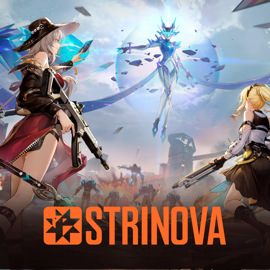
An anime visual style, cute female characters, dynamic battles, an unusually large selection of modes and maps, plus the unique stringification mechanic that instantly transforms any fighter from 3D to a 2D model — this is the recipe for the new Chinese online shooter Strivova. As an added bonus, the game is optimized for older computers, available for free, and launches here without any hassle — directly from Steam. The project was released about six months ago, but it's already being compared to Warface, Overwatch, and Team Fortress 2, with tens of thousands of positive reviews, so it's high time to talk about this vibrant shooter in a bit more detail.
Getting to Know the Game
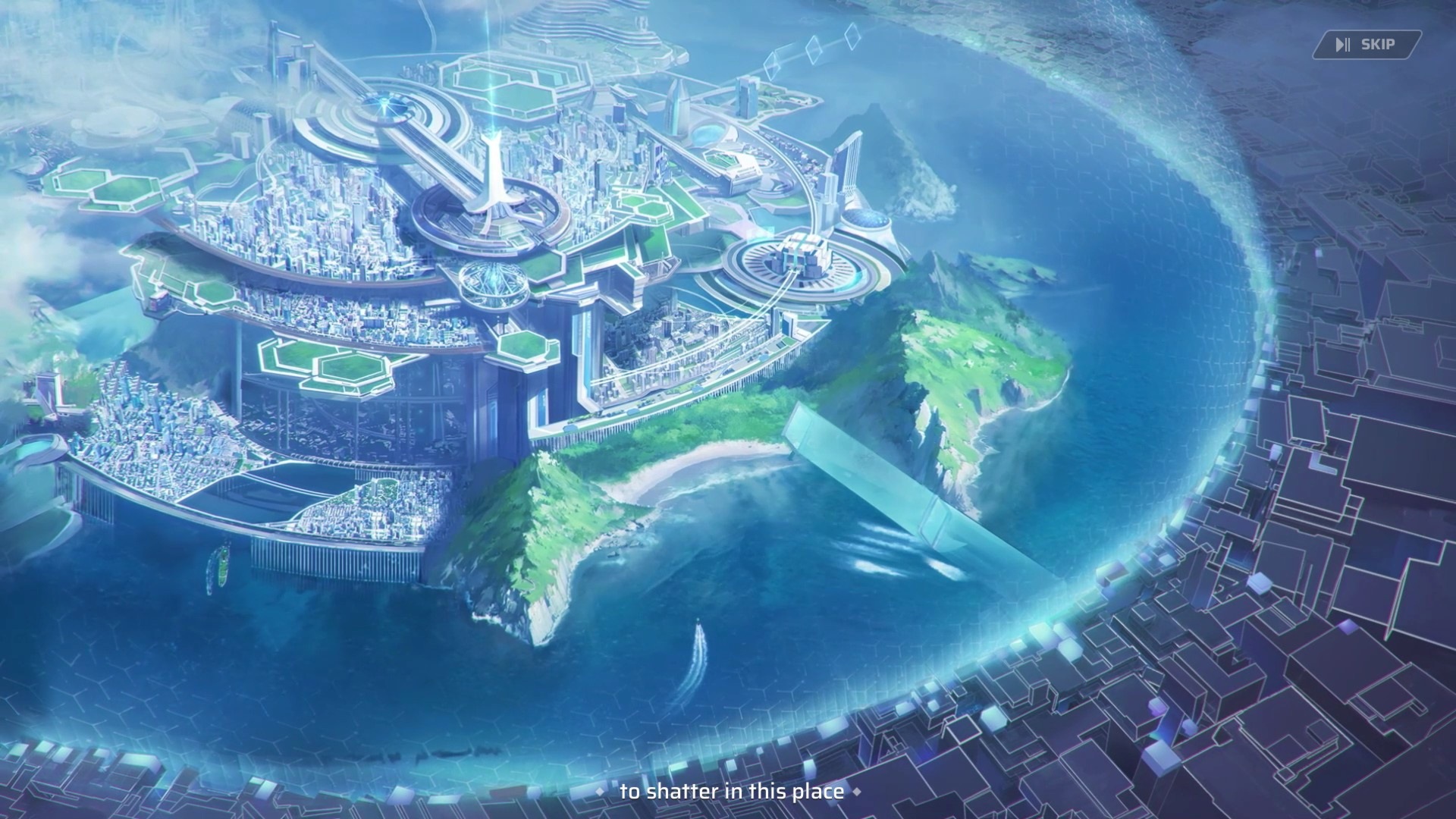
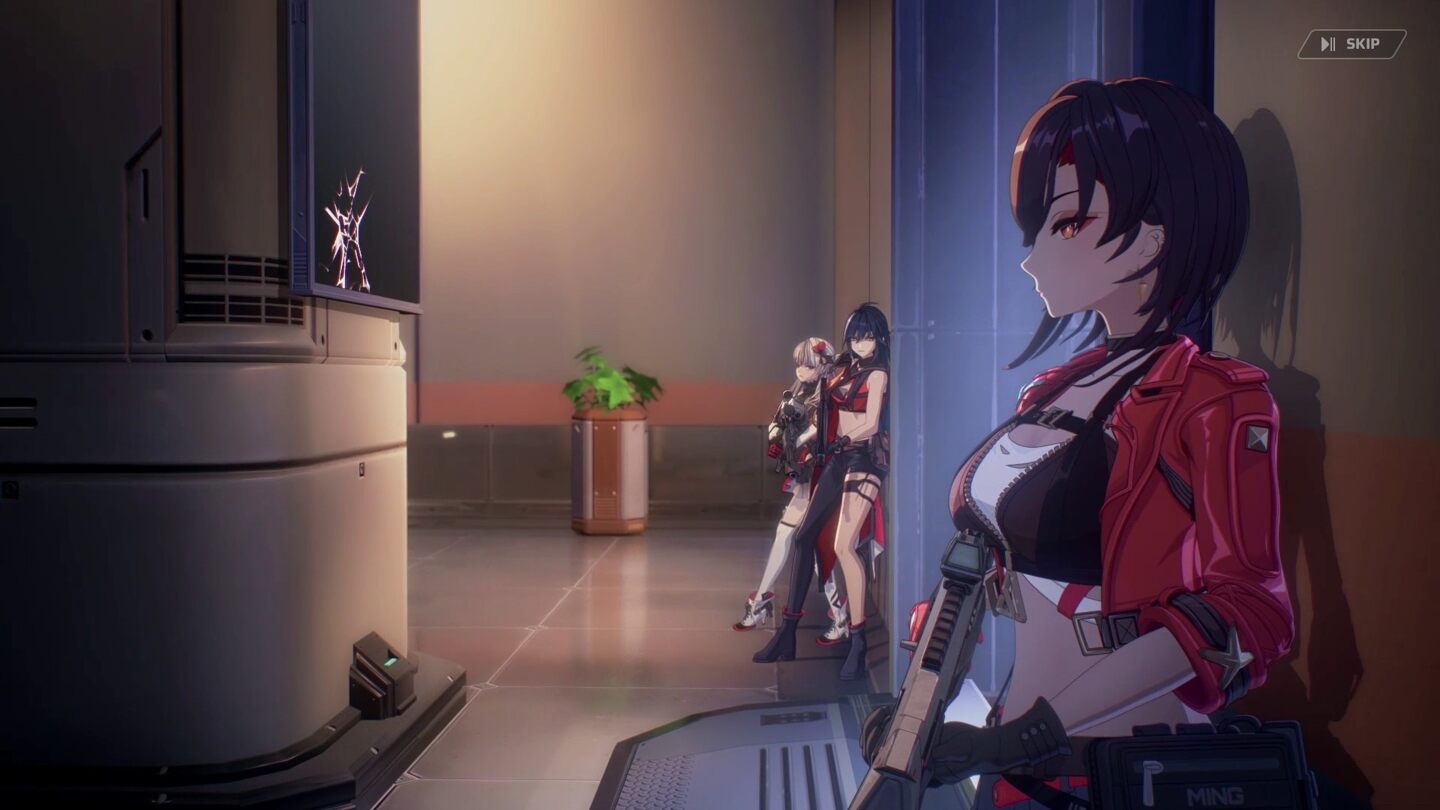
Before launching Strivova, you'll only need to register once and enter a code sent to your email. After that, the iDreamSky studio application will activate automatically — by clicking the game icon on the desktop. It all starts with an animated film that introduces the player to the plot. However, these scenes are presented very chaotically — it's hard to understand what happened, who's the villain, and who's the hero in this story. The manga Strivova: Tomorrow Will Finally Come does a better job of introducing the theme, but it hasn't been translated into Russian yet, so we'll explain the situation in words.
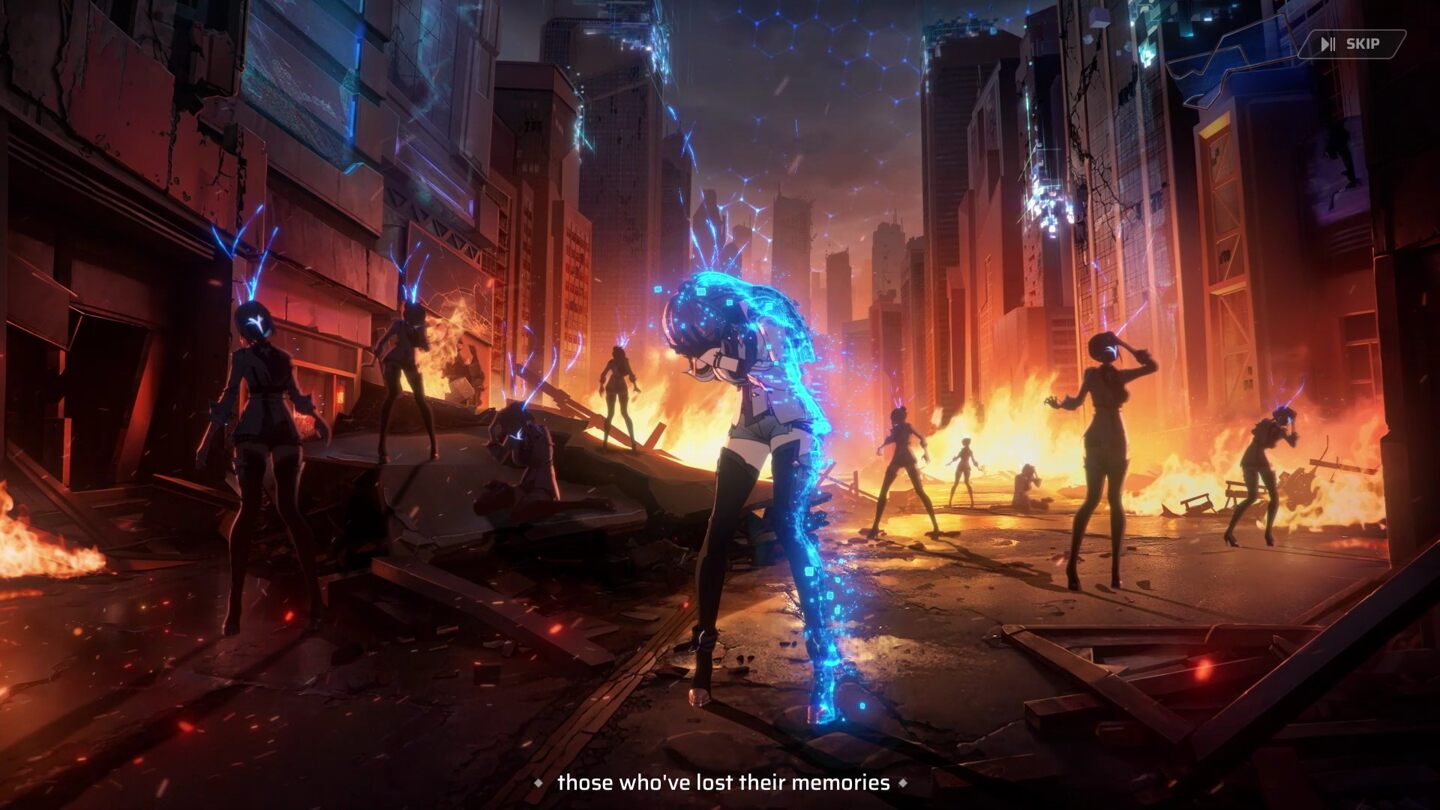
According to the plot, a catastrophe occurred on Earth, and humanity overcame its consequences with the help of string theory. This is one of the branches of theoretical physics that explains the world not as the interaction of particles but as the vibrations of quantum strings. Exactly how this idea helped humanity isn't explained, but it's known that the survivors used it to enter a world called Strivova (from the words String — «string» and Nova — «new»). Human projections became superstrings in this world, which is what the heroes are called here. It's also important that superstrings gained freedom from death in the usual sense and immunity to any diseases. However, this didn't solve all problems, as even in such an exotic form, they can lose their individuality due to an excess of memory.
The solution is supposed to be Pablo crystals (Bablo in the English version), discovered in Strivova, but the superstrings have different opinions about their use. Government agents from the GUU (Guardians of Utopia's Creators) believe that a monopoly should be established on crystal technology to search for a cure for personality decay. This plan has only one flaw — every century, the heroes still need to be «rebooted.» The faction «Scissors» has a different view: they simply want to return to Earth, and the energy in the crystals is just enough to open a portal home. The third side of the conflict is «Urbino.» Members of this faction believe that the crystals should primarily unlock personal abilities rather than serve public interests.
The solution is supposed to be Pablo crystals (Bablo in the English version), discovered in Strivova, but the superstrings have different opinions about their use. Government agents from the GUU (Guardians of Utopia's Creators) believe that a monopoly should be established on crystal technology to search for a cure for personality decay. This plan has only one flaw — every century, the heroes still need to be «rebooted.» The faction «Scissors» has a different view: they simply want to return to Earth, and the energy in the crystals is just enough to open a portal home. The third side of the conflict is «Urbino.» Members of this faction believe that the crystals should primarily unlock personal abilities rather than serve public interests.
The characters are divided into three groups based on their views. There are over twenty of them in total, but not all are available from the start: some are given for free, while others must be unlocked through experience or purchased. Regardless of which group a superstring belongs to, each has one unique active skill and one passive skill. In any case, before real matches, it's worth testing your skills in the tutorial mode, which teaches the basics of movement and tactics while revealing the game's main secret — changing any character's dimensionality. Just press left Ctrl — and the anime girl will become flat, as if cut out of paper, opening up a host of possibilities.
First, it's much harder to hit a 2D form than a 3D one. It's possible, but difficult — the opponent will have to aim carefully, and you'll have time to hide. Hence the second advantage — in flat form, heroes «stick» to walls and slip through bars or gaps where 3D figures couldn't possibly fit. Finally, the «paper» can float in the air — this not only eliminates the danger of fall damage but also allows covering distances after a jump, say, from one roof to another. However, flattened fighters lose the ability to use weapons, and some types of damage (e.g., fire) hurt them more than 3D forms. This is fair; otherwise, no one would return to 3D form, and all matches would resemble fights between paper dolls.
First, it's much harder to hit a 2D form than a 3D one. It's possible, but difficult — the opponent will have to aim carefully, and you'll have time to hide. Hence the second advantage — in flat form, heroes «stick» to walls and slip through bars or gaps where 3D figures couldn't possibly fit. Finally, the «paper» can float in the air — this not only eliminates the danger of fall damage but also allows covering distances after a jump, say, from one roof to another. However, flattened fighters lose the ability to use weapons, and some types of damage (e.g., fire) hurt them more than 3D forms. This is fair; otherwise, no one would return to 3D form, and all matches would resemble fights between paper dolls.
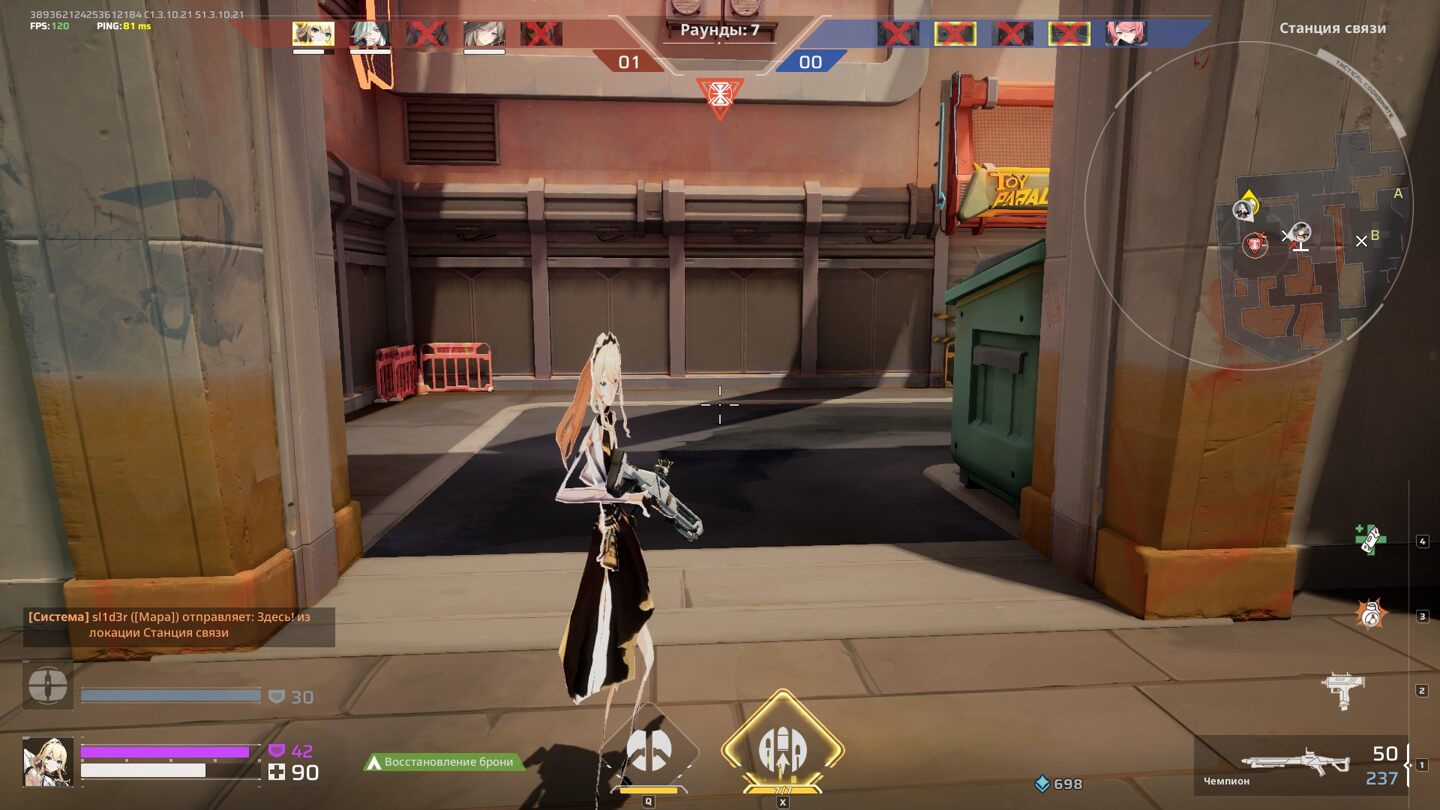
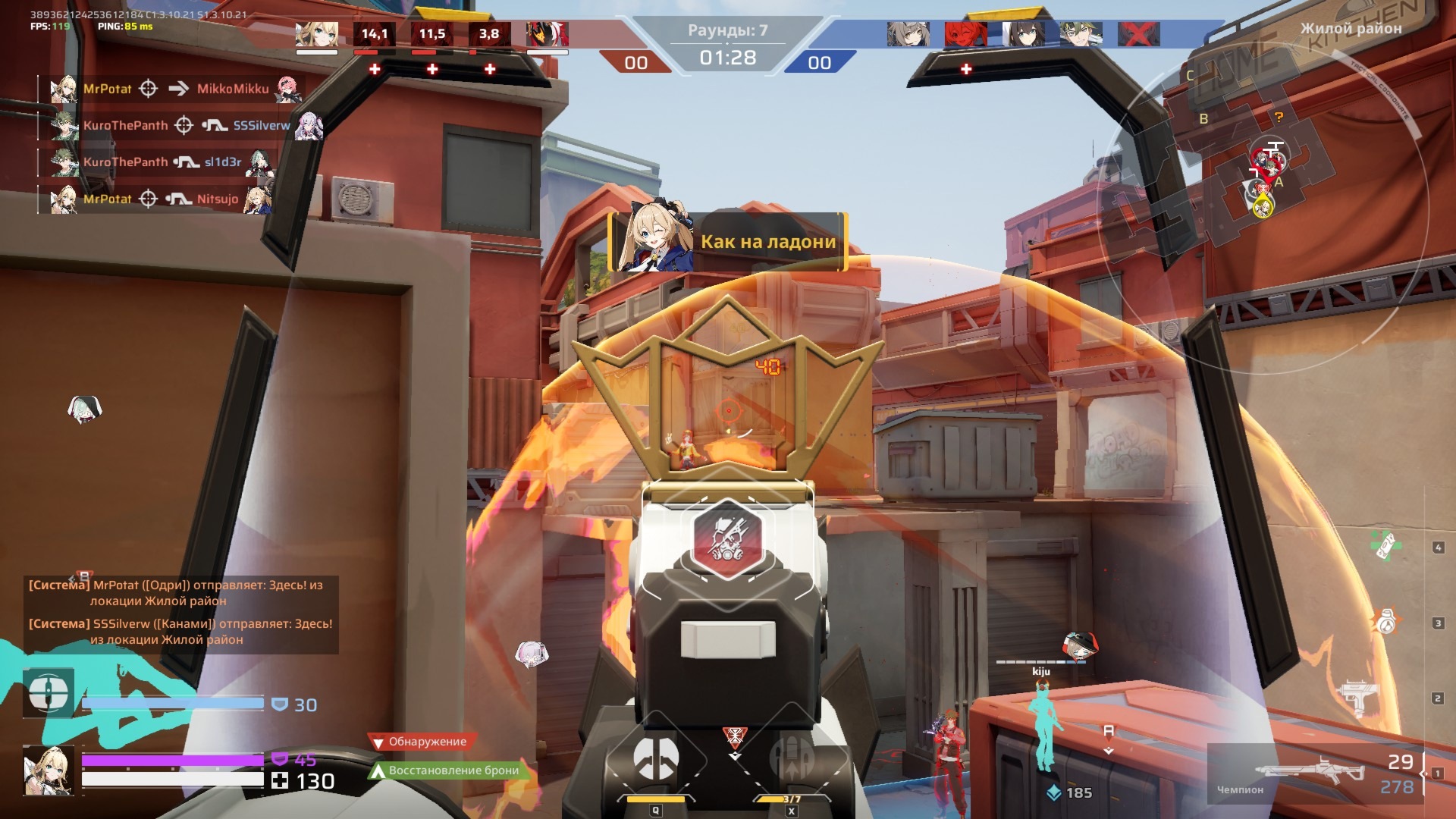
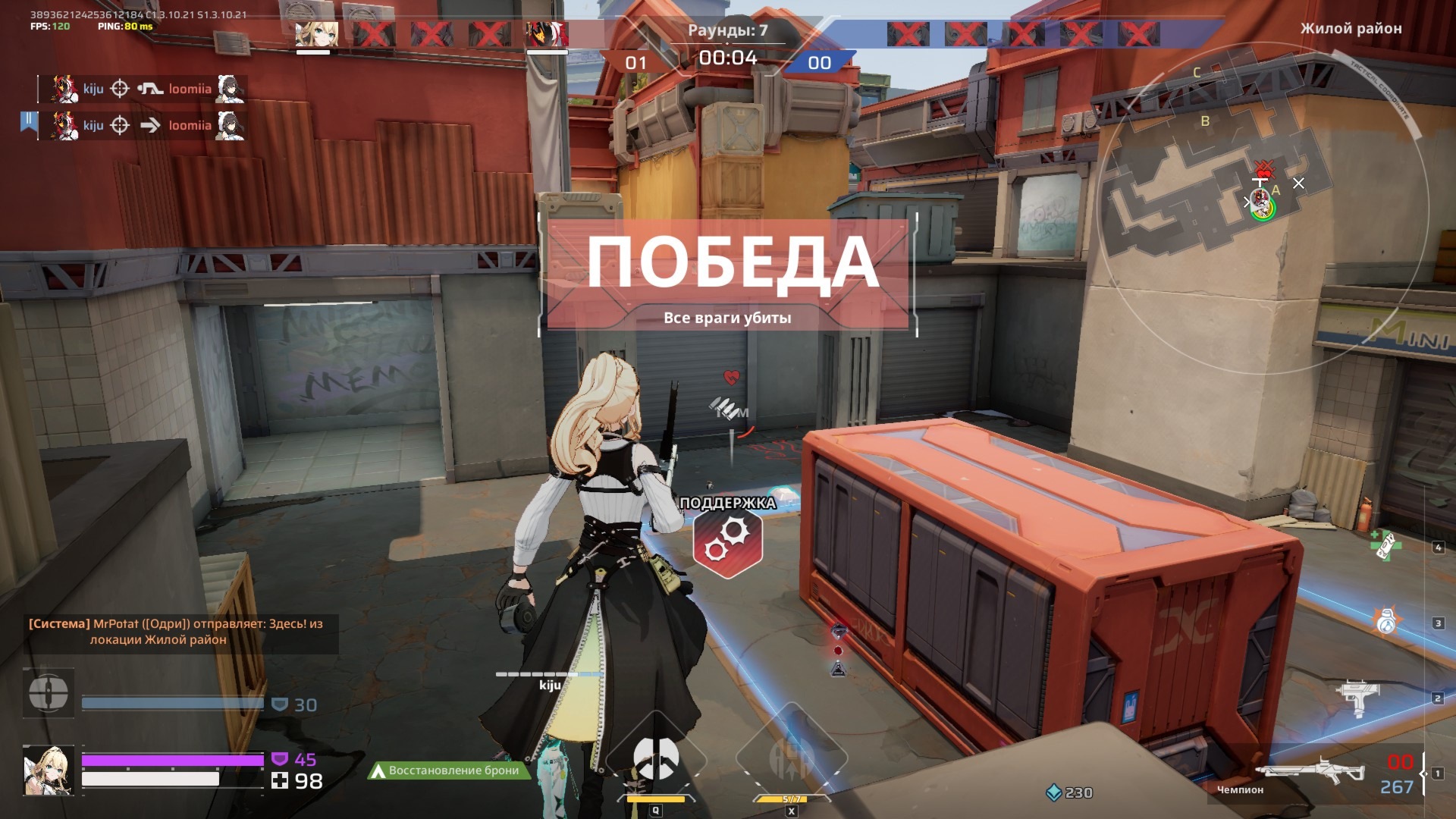
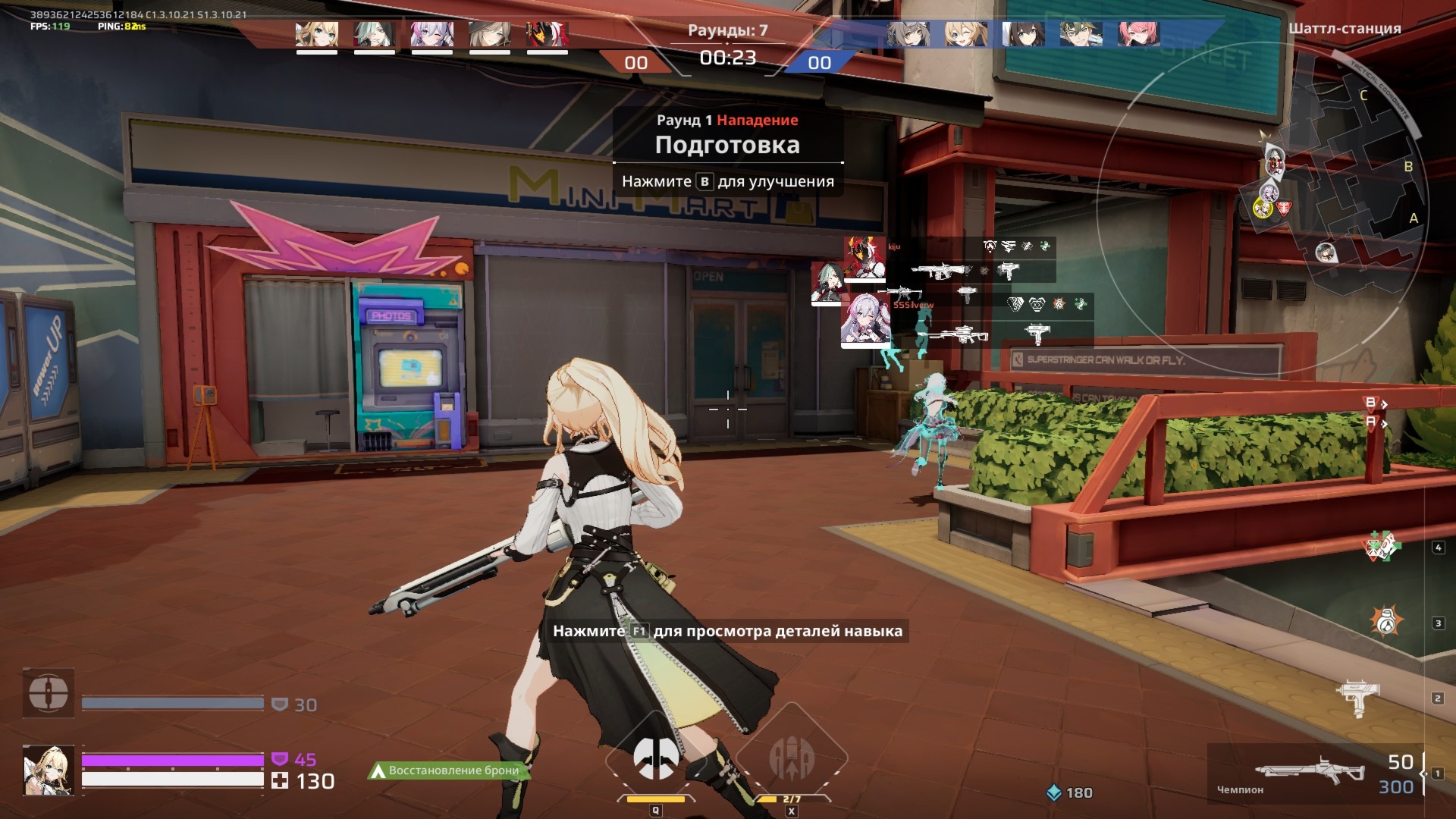
It's also worth noting that shooting feels quite satisfying despite the somewhat unserious visual style. However, you can't change weapons. Whatever weapon is assigned to your alter ego by default is what they'll use for the entire round. The match stages themselves, whether you're playing bomb defusal, deathmatch, or escort, go by quickly. Sometimes, even a minute and a half is enough to eliminate all opponents if your team is coordinated or someone has extensive experience in such shooters.
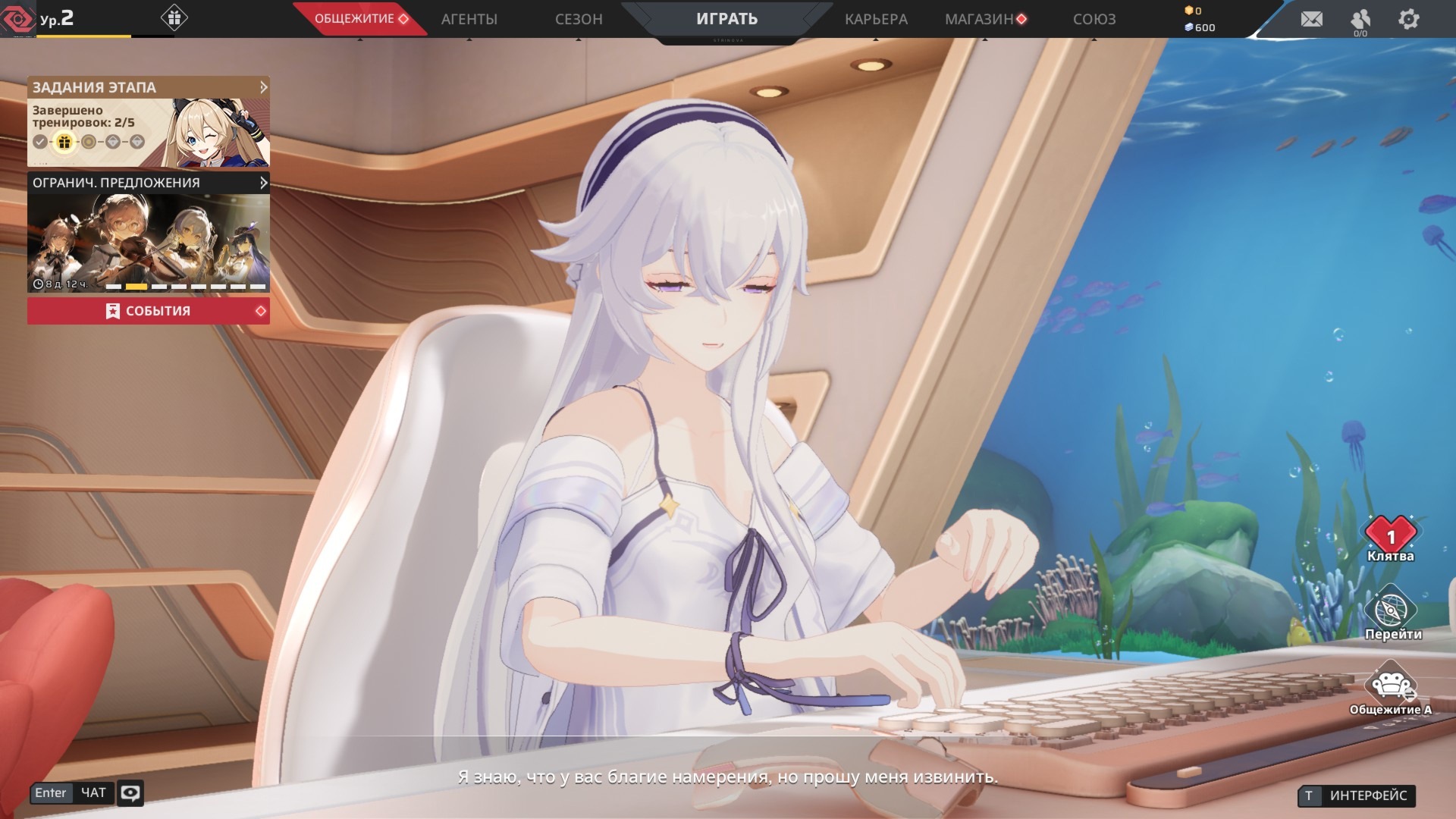
But it won't be so easy for a newcomer to figure things out. There is a tutorial mode, but it's hard to tell from the menu which battles are easier or harder and where to start. Everything has to be discovered through trial and error, so a guide with tips would be helpful here. Interestingly, in the «Dormitory» mode, which we enter by default after launching the game, there's a female character who constantly throws remarks at the player and flirts if you click on her. Why couldn't she have been made the guide? In any case, we recommend starting with battles whose rules you understand well. Used to Counter-Strike? Go plant the bomb. Like Overwatch? Invite friends and escort the payload.
But it won't be so easy for a newcomer to figure things out. There is a tutorial mode, but it's hard to tell from the menu which battles are easier or harder and where to start. Everything has to be discovered through trial and error, so a guide with tips would be helpful here. Interestingly, in the «Dormitory» mode, which we enter by default after launching the game, there's a female character who constantly throws remarks at the player and flirts if you click on her. Why couldn't she have been made the guide? In any case, we recommend starting with battles whose rules you understand well. Used to Counter-Strike? Go plant the bomb. Like Overwatch? Invite friends and escort the payload.
More About the Characters
Newcomers should also consider the role they'll be comfortable playing on the team. The online shooter features heroes of five classes. Assault scouts report enemy movements to teammates, Sentries set up obstacles or turrets to cover one direction while friends advance on another. Duelists can absorb a lot of damage, so they, not assault scouts, are at the forefront of the attack. There are also Support heroes and Manipulators. The former enhance their team with positive effects, while the latter weaken the enemy with negative ones. The roles seem clear, but there's one nuance: their availability depends on the faction — for example, the GUU has no assault scouts.
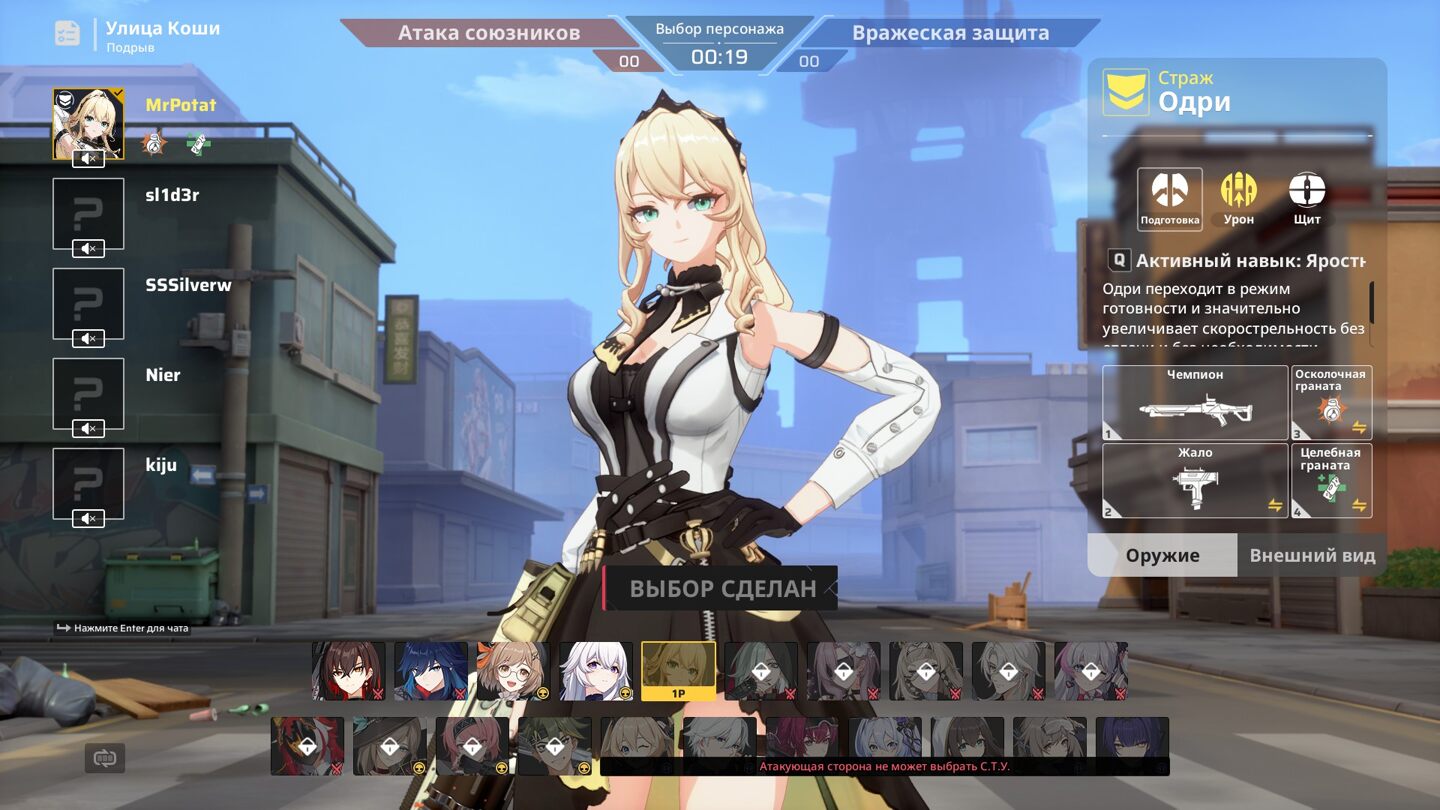
We've already mentioned that not all characters are available initially, and unlocking them is a slow process. Still, here are some recommendations for choosing heroes at the start. First, pay attention to the Sentry Audrey from «Urbino.» The girl can temporarily increase the fire rate of her already powerful machine gun, deploy force shields, scatter motion sensors to detect enemy flanking, and place a grenade launcher on the map. The last ability is ultimate — meaning it's rarely available. But a volley from this weapon can repel any attack.
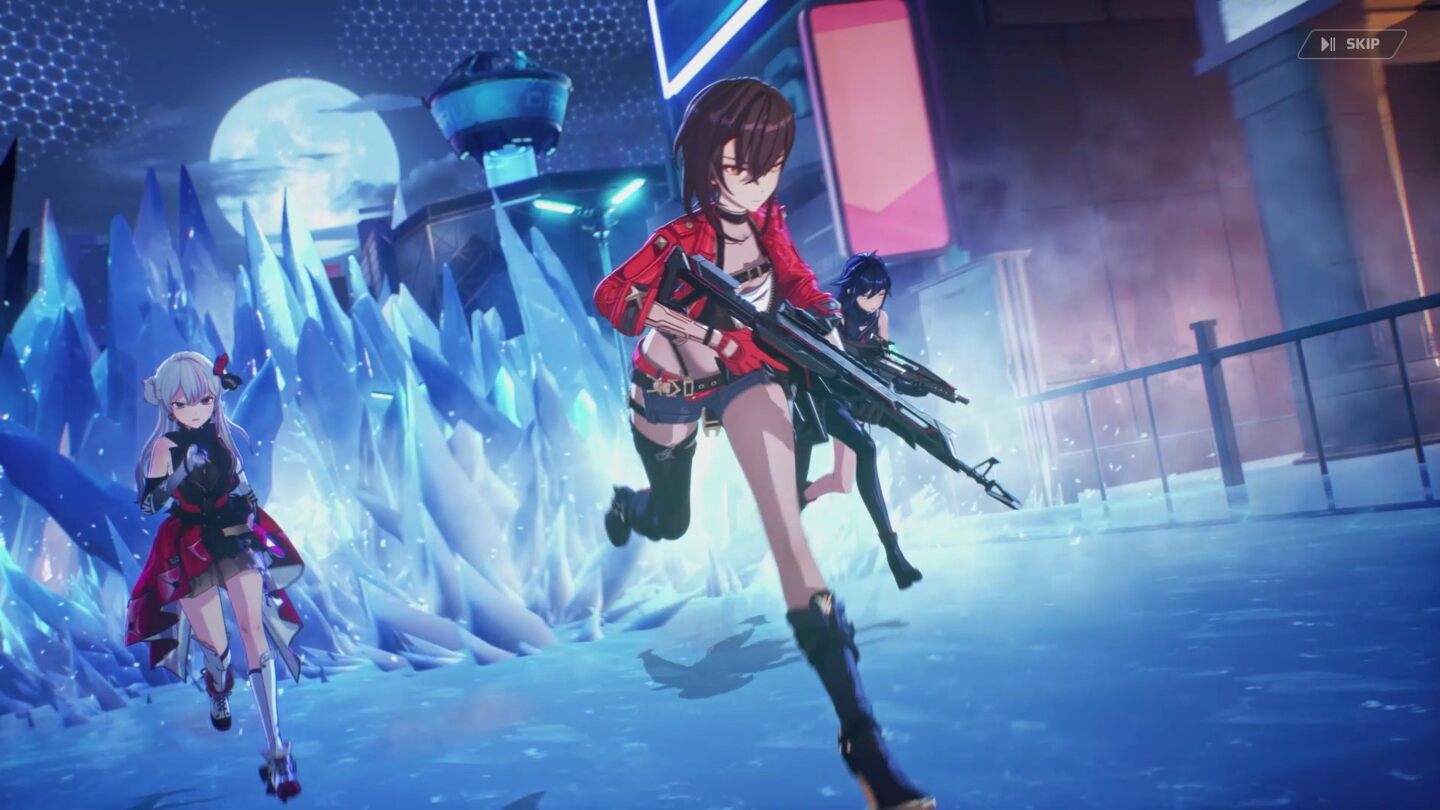
The next obvious choice is Sentry Michelle from the GUU. This girl is known to be a gamer and a junior investigator in her organization. Her battlefield strengths include deploying miniature «Paw-Guard» bots that wound and slow enemies, «wallhack» vision, and setting up a powerful turret anywhere. Additionally, she wields an excellent primary weapon — the «Inspector» assault rifle with critical hit and headshot bonuses. The «Scissors» faction counters with a heroine named Lowin (aka Avalanche). Her class is Assault, meaning she's focused on reconnaissance. Her arsenal includes an impulse blade that detects enemies with three scans, the ability to see wounded enemies after they leave sight, and temporary invisibility.
Those who prefer aggression and an offensive playstyle should look at the Duelist Fuchsia from «Urbino.» This seemingly fragile girl can heal by defeating enemies, so her health pool is virtually endless. But she can also spend health points for temporary speed boosts, meaning her tactical options aren't lacking either. Complementing this is the excellent «Fang» carbine with a 1.25x scope and fire rate boosted by the heroine's skills.
The next obvious choice is Sentry Michelle from the GUU. This girl is known to be a gamer and a junior investigator in her organization. Her battlefield strengths include deploying miniature «Paw-Guard» bots that wound and slow enemies, «wallhack» vision, and setting up a powerful turret anywhere. Additionally, she wields an excellent primary weapon — the «Inspector» assault rifle with critical hit and headshot bonuses. The «Scissors» faction counters with a heroine named Lowin (aka Avalanche). Her class is Assault, meaning she's focused on reconnaissance. Her arsenal includes an impulse blade that detects enemies with three scans, the ability to see wounded enemies after they leave sight, and temporary invisibility.
Those who prefer aggression and an offensive playstyle should look at the Duelist Fuchsia from «Urbino.» This seemingly fragile girl can heal by defeating enemies, so her health pool is virtually endless. But she can also spend health points for temporary speed boosts, meaning her tactical options aren't lacking either. Complementing this is the excellent «Fang» carbine with a 1.25x scope and fire rate boosted by the heroine's skills.
For completeness, here are two Manipulators — Yvette and Meredith. The former carries a plush bear named Fae everywhere, which either freezes enemies or makes its owner invisible. Yvette also loves snowball fights — wherever she throws a snowball, a bulletproof and slippery ice pillar grows. Another strength of this heroine, aside from her tricks, is the «Bear» submachine gun, known for its high fire rate and accuracy. Meredith from «Scissors,» as a Manipulator, uses weakening effects and smoke screens, plus the bullpup rifle «Falcon.» The weapon's high accuracy and ease of use are good reasons to consider both heroines, even if they're support-oriented.
Modes, Maps, and Progression
Strivova offers a generous selection of combat formats. Besides several main modes, the menu always features event-related activities. At the top of the list are ranked battles, available to players with accounts at least at level 10. But what to do while gaining experience? Pay attention to genre classics. In «Demolition,» players split into two teams of five: one squad must plant a bomb at one of the predefined points on the map, while the other must defuse it and eliminate the opponents. In short, Counter-Strike.
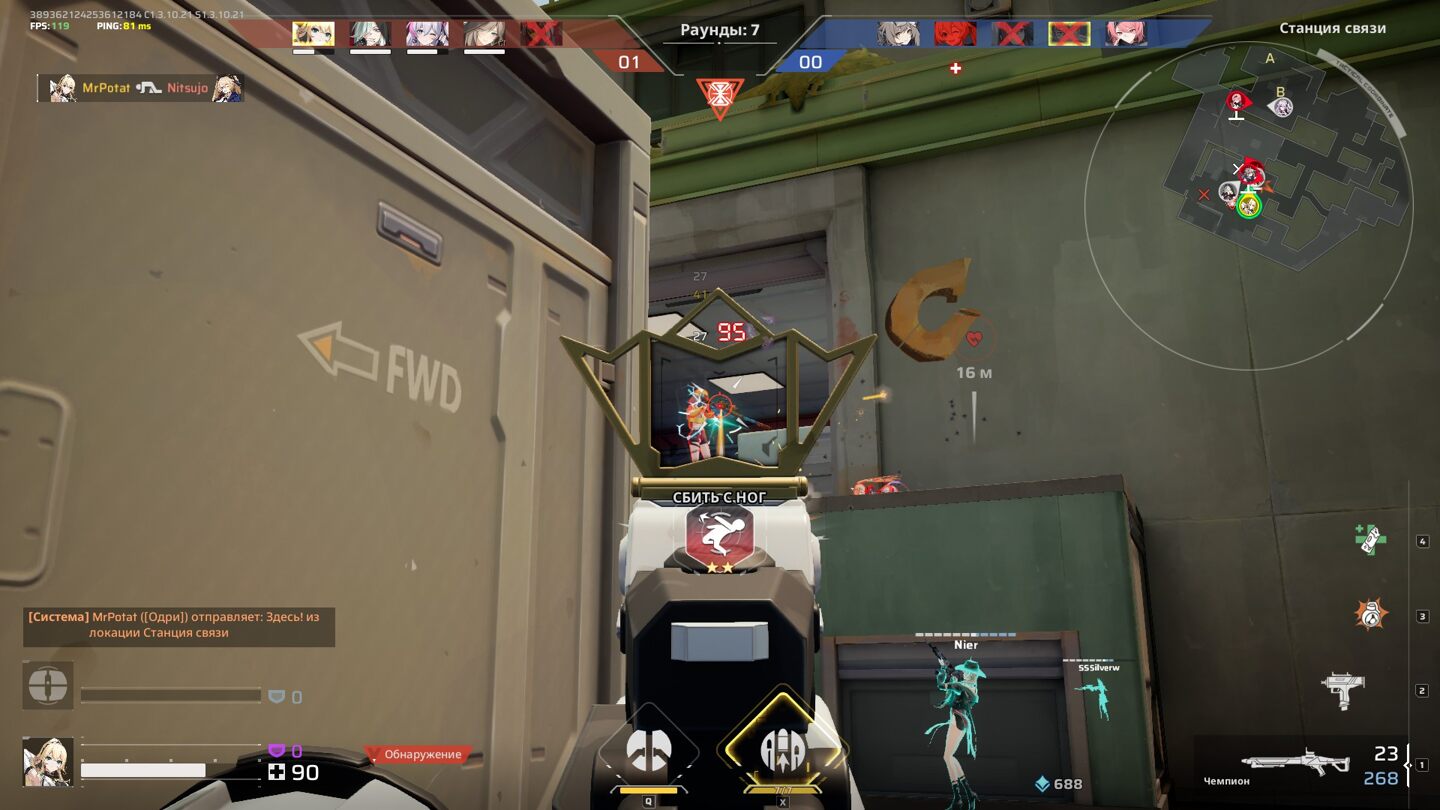
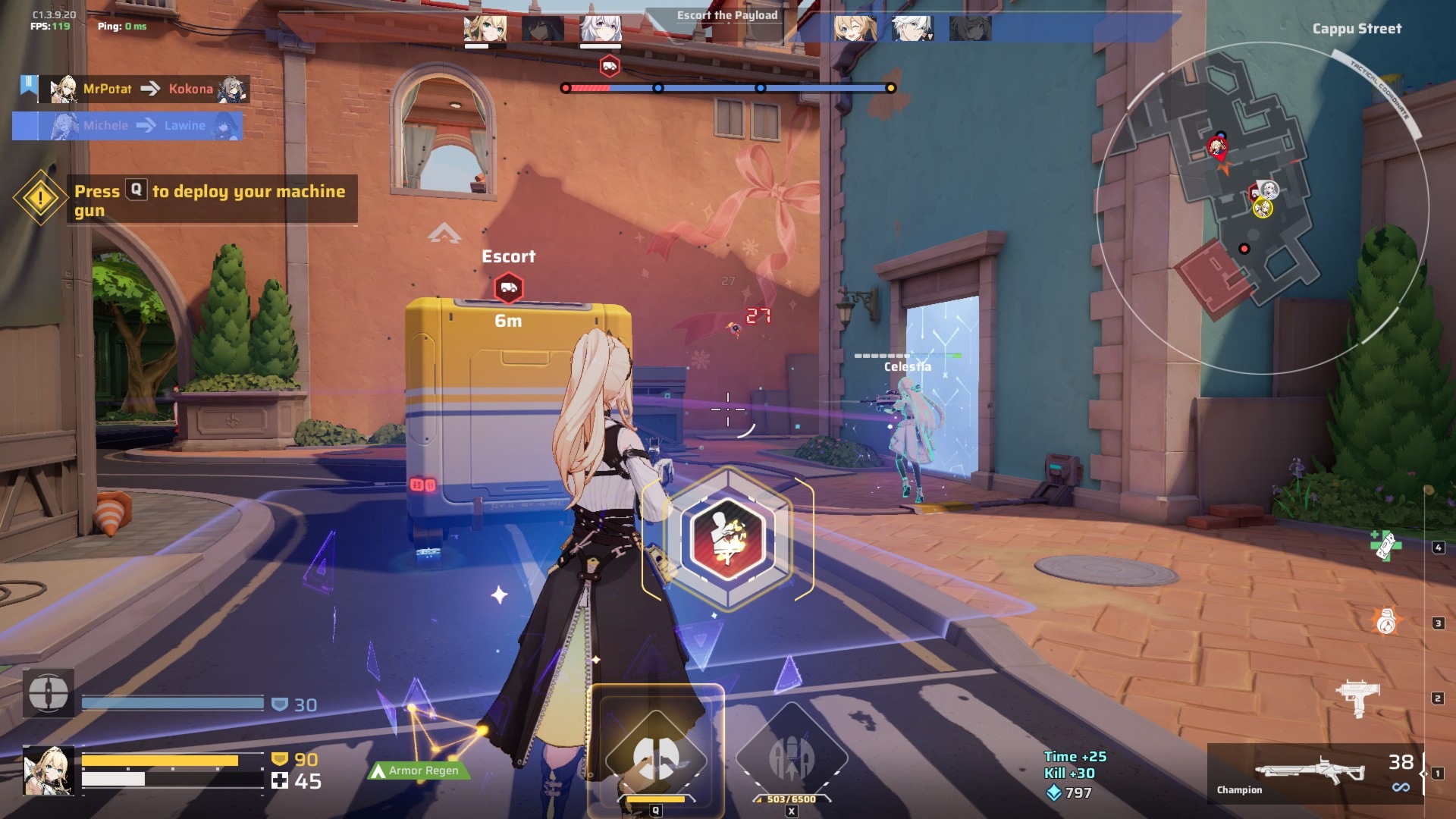
In «Team Deathmatch,» there are fewer participants — four per squad, and victory comes from kill counts. The first to reach 50 frags wins. As for «Escort,» players will see rules familiar from Team Fortress 2 and Overwatch. One group guards a platform with a container moving across the map, while the other must destroy both the convoy and the cargo. The game world's logic is preserved — for example, government agents from the GUU can escort cargo but not participate in raids. For the guards to win, the platform must safely pass two checkpoints and reach the finish line, but it only moves if a guard is nearby.
In «Team Arena,» two squads of six characters clash. Here, you just run and shoot, with all abilities except passive ones banned. This means some heroes with interesting ultimates are useless here, while those with convenient weapons shine — we didn't focus on guns when discussing starting superstrings for nothing. Genre fans will particularly enjoy «Outbreak.» In this mode, everyone starts as either survivors or infected. The former (15 of them) must hold out as long as possible until they get a chance to destroy the latter. The three infected must infect as many healthy heroes as possible to win.
In «Team Arena,» two squads of six characters clash. Here, you just run and shoot, with all abilities except passive ones banned. This means some heroes with interesting ultimates are useless here, while those with convenient weapons shine — we didn't focus on guns when discussing starting superstrings for nothing. Genre fans will particularly enjoy «Outbreak.» In this mode, everyone starts as either survivors or infected. The former (15 of them) must hold out as long as possible until they get a chance to destroy the latter. The three infected must infect as many healthy heroes as possible to win.
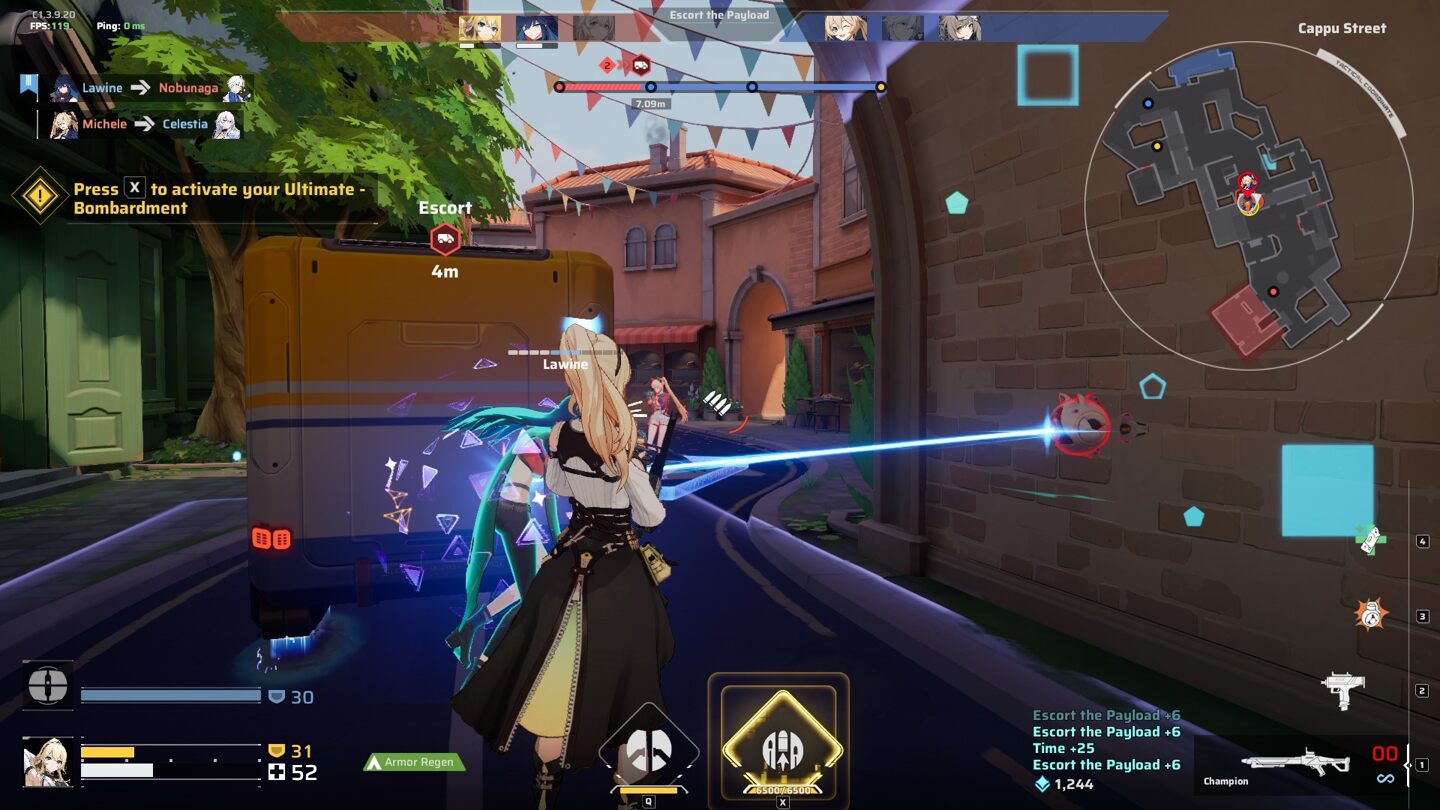
Finally, «Conquest» is the classic control point mode. The more territories you control, the faster your team accumulates victory points. And this is only part of the activities available in Strivova — we won't discuss events since they change regularly, nor peaceful modes like the «Dormitory» or training. The main thing is there's always something to do. The type of activity is also tied to its location. The game has over twenty different maps, each linked to one or more modes.
The landscapes are diverse. There's the business district in the center of Neutroville («Zone 88»), the GUU's futuristic weapons development base, sea and spaceports, an Eastern-style dojo, and a «Demolition» area with the ear-grating name «Loser.» Choosing a battle in «Windy City» takes you to Strivova's main resort, «Grannak» lets you enjoy ancient ruins, and in «Wright Campus,» you and your friends will find yourselves on modern streets where GUU scientists conduct research.
Of course, the shooter has a progression system, like any other Chinese free-to-play game. On one hand, you need to participate in battles and other activities to earn experience, in-game currency, and rewards. Gifts are even given to those who do nothing but log into the main menu or «Dormitory» daily. These include resources, cosmetics, and in-game currency. The latter comes in two types — one earned simply by playing matches, and the other, gold, serving as real-money equivalent.
The landscapes are diverse. There's the business district in the center of Neutroville («Zone 88»), the GUU's futuristic weapons development base, sea and spaceports, an Eastern-style dojo, and a «Demolition» area with the ear-grating name «Loser.» Choosing a battle in «Windy City» takes you to Strivova's main resort, «Grannak» lets you enjoy ancient ruins, and in «Wright Campus,» you and your friends will find yourselves on modern streets where GUU scientists conduct research.
Of course, the shooter has a progression system, like any other Chinese free-to-play game. On one hand, you need to participate in battles and other activities to earn experience, in-game currency, and rewards. Gifts are even given to those who do nothing but log into the main menu or «Dormitory» daily. These include resources, cosmetics, and in-game currency. The latter comes in two types — one earned simply by playing matches, and the other, gold, serving as real-money equivalent.
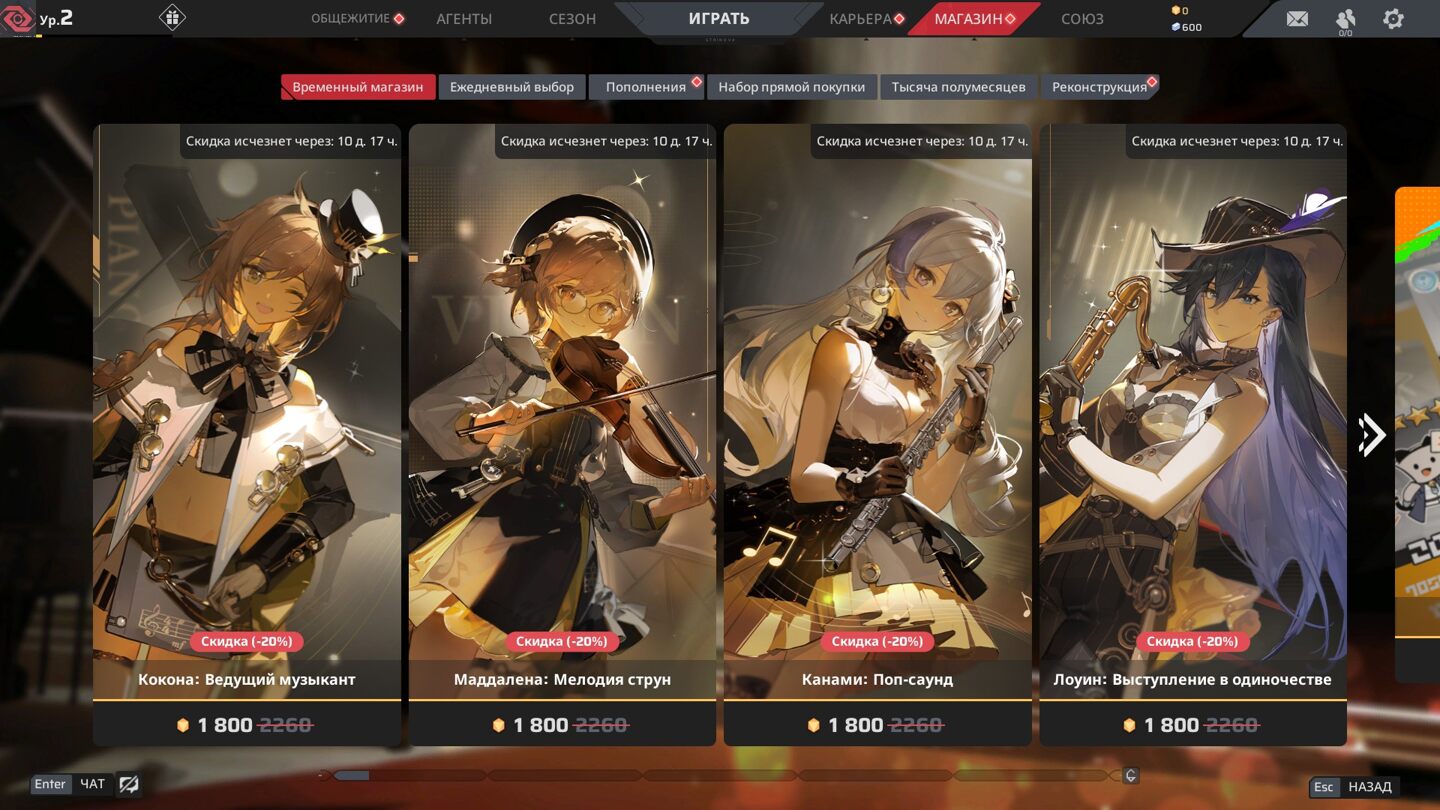
In other words, there's monetization. It's set up similarly to Genshin Impact and similar games: you can unlock heroes, skins, and weapon designs for money. The menu constantly pops up with discount offers, battle pass rewards, tactical and strategic sets from the digital store — this flow of information is manageable. Or you can pay the developers a small sum if you like their game to get a character with a unique appearance and stand out from your teammates.
Conclusion
Though the anime style is nothing new, Strivova offers the unique stringification mechanic — transforming heroes from 3D to 2D with distinct gameplay features in each form. This idea provides a fresh perspective on online shooters and opens up rich tactical variety, where well-timed flights and wall-sticking are as useful on the battlefield as regular jumps or speed boosts. Plus, the game is free, translated into Russian, and officially published in Russia — no additional software is needed to run it. In short, genre fans should give it a try if they haven't already.
Zarium. July 2025.
Zarium. July 2025.