





Night Crows Game Review
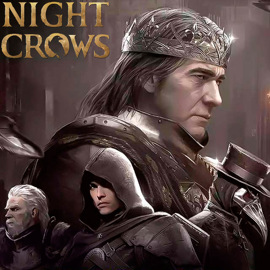
Night Crows is one of the first truly large-scale and ambitious MMORPGs to support blockchain technology and allow trading in-game items as NFTs. Developed and initially released in South Korea, it went global just a year ago, in 2024, yet has already made quite a splash. At peak popularity it hosted masses of people—concurrent online reached 230,000 players. And in the first three days after release total sales exceeded 10 million dollars. For comparison, MIR4, another notable blockchain-enabled MMORPG (from the same developers, by the way), had ten times less. How is Night Crows feeling now, whom can it attract, and who should stay away?
Setting, grind and story
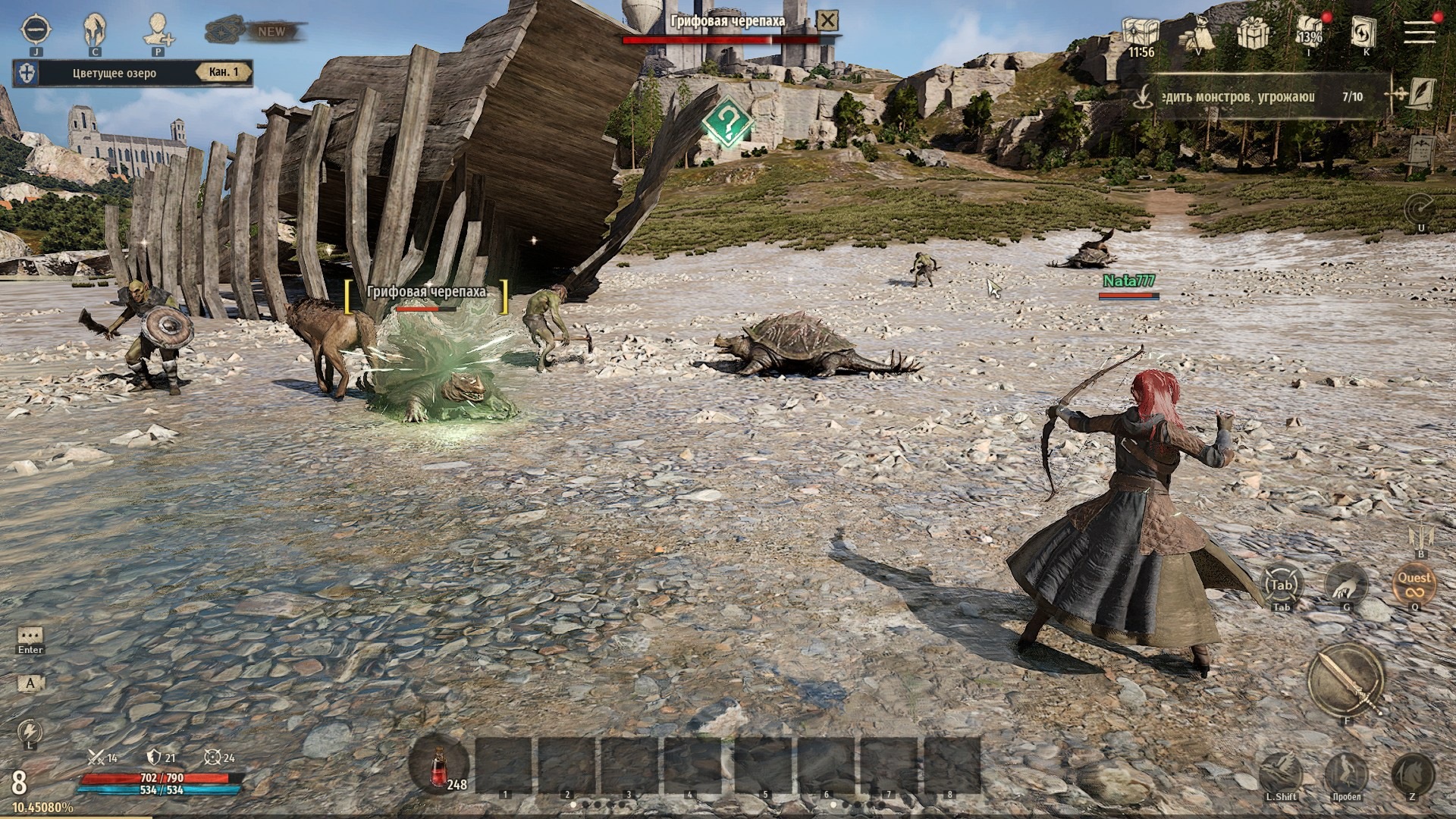
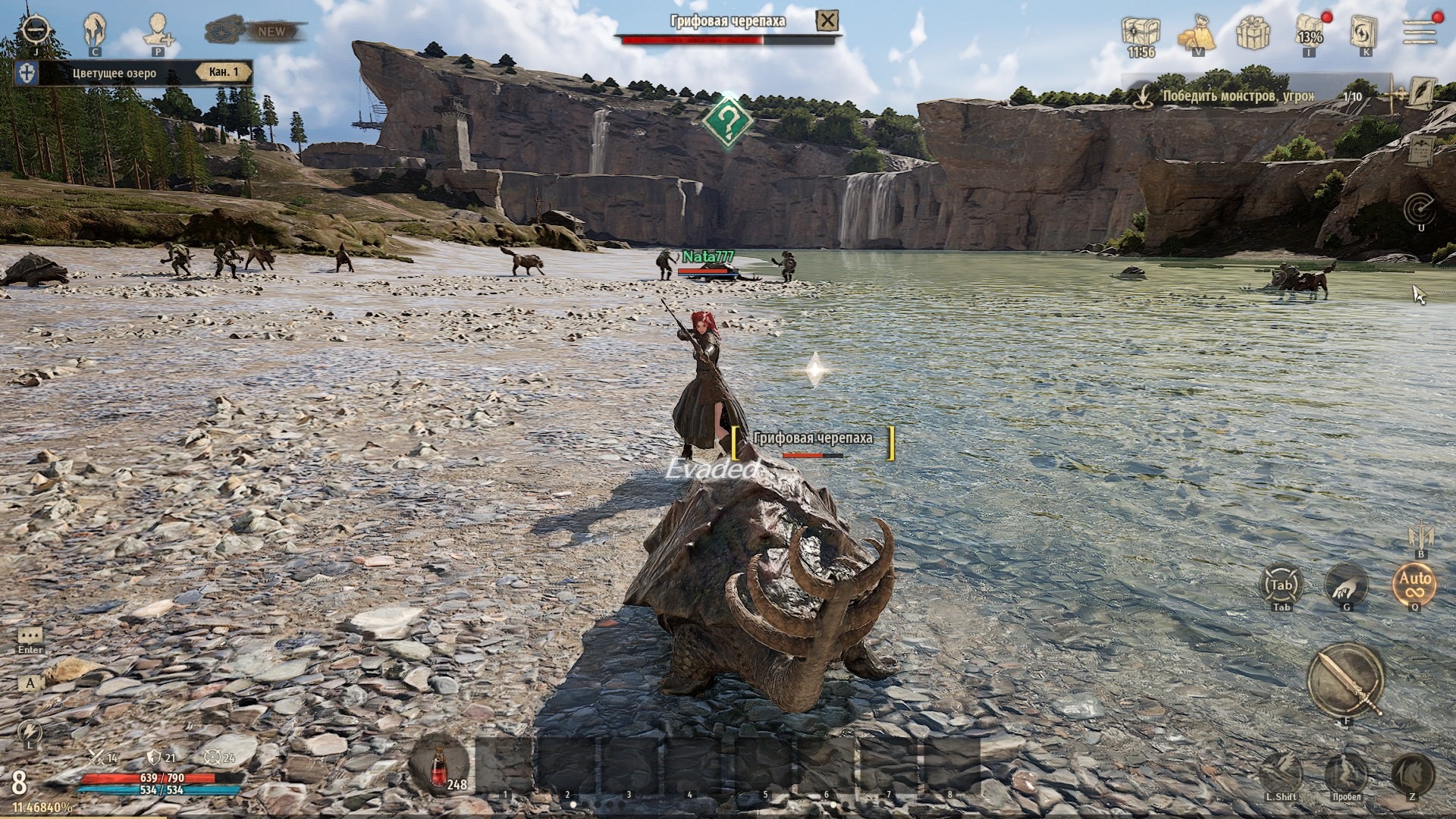
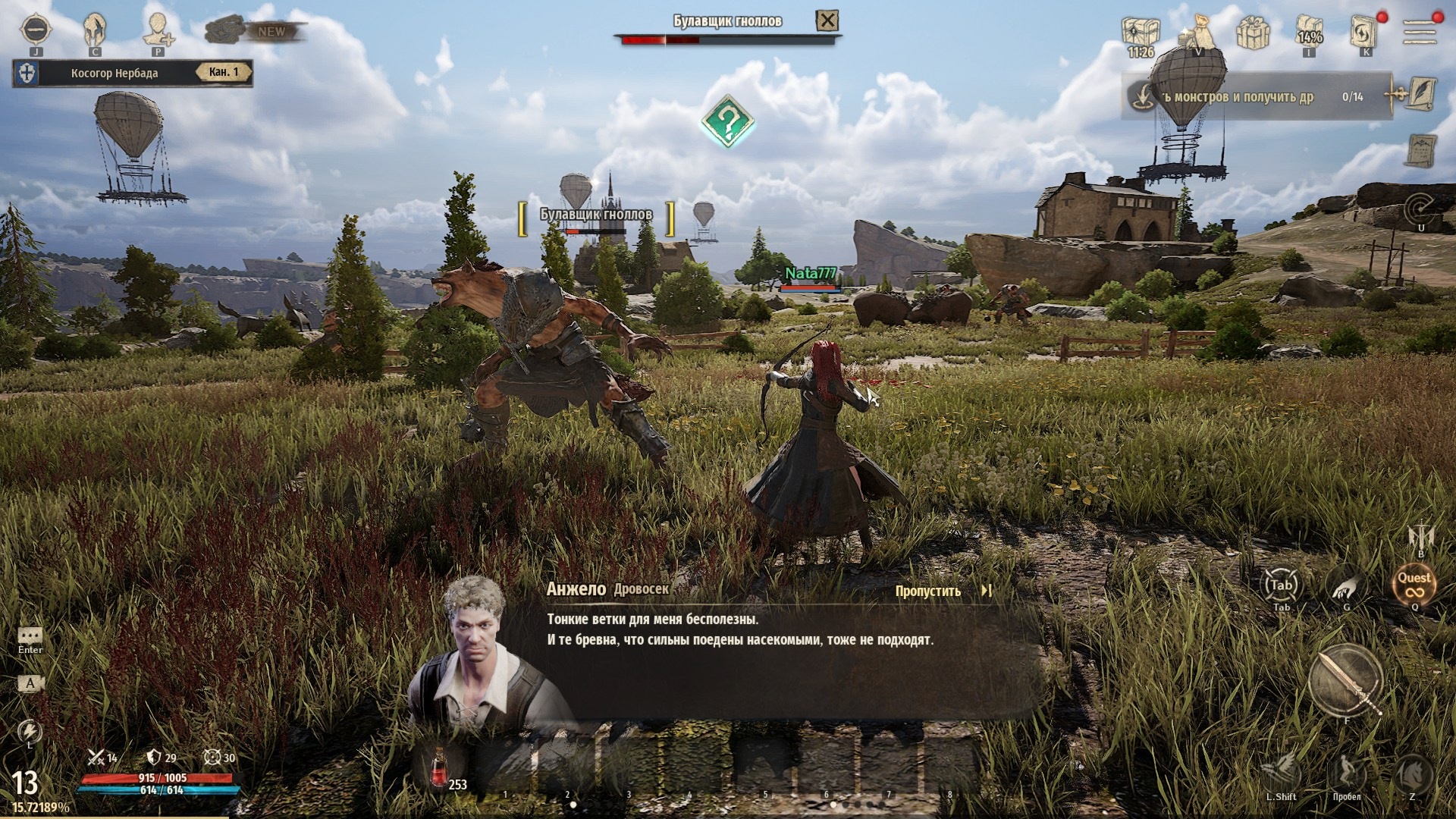
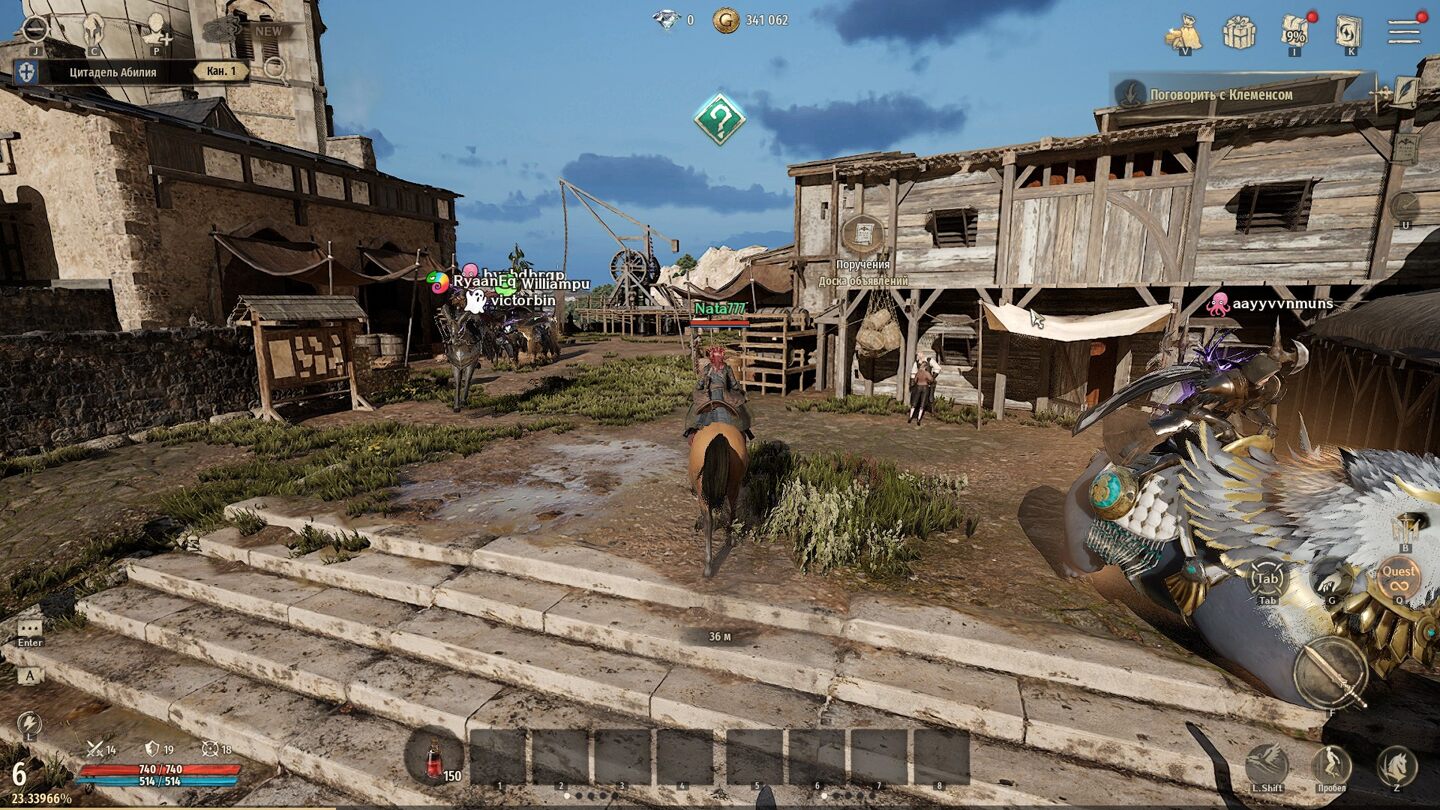
First of all, answer the question: who is Night Crows unlikely to suit? If you expect interesting quests and intriguing storytelling like in some Western MMOs and are tired of endless grind in Asian games, then Wemade Entertainment’s project is definitely not for you. Night Crows is the very embodiment of the term “Korean grinder” with all its pros and cons—only very expensive, ambitious and beautiful. The game is built on Unreal Engine 5 and looks truly gorgeous, flaunting both spectacular battle scenes and
epic architectural vistas, pastoral rural landscapes and other virtual beauty.
epic architectural vistas, pastoral rural landscapes and other virtual beauty.
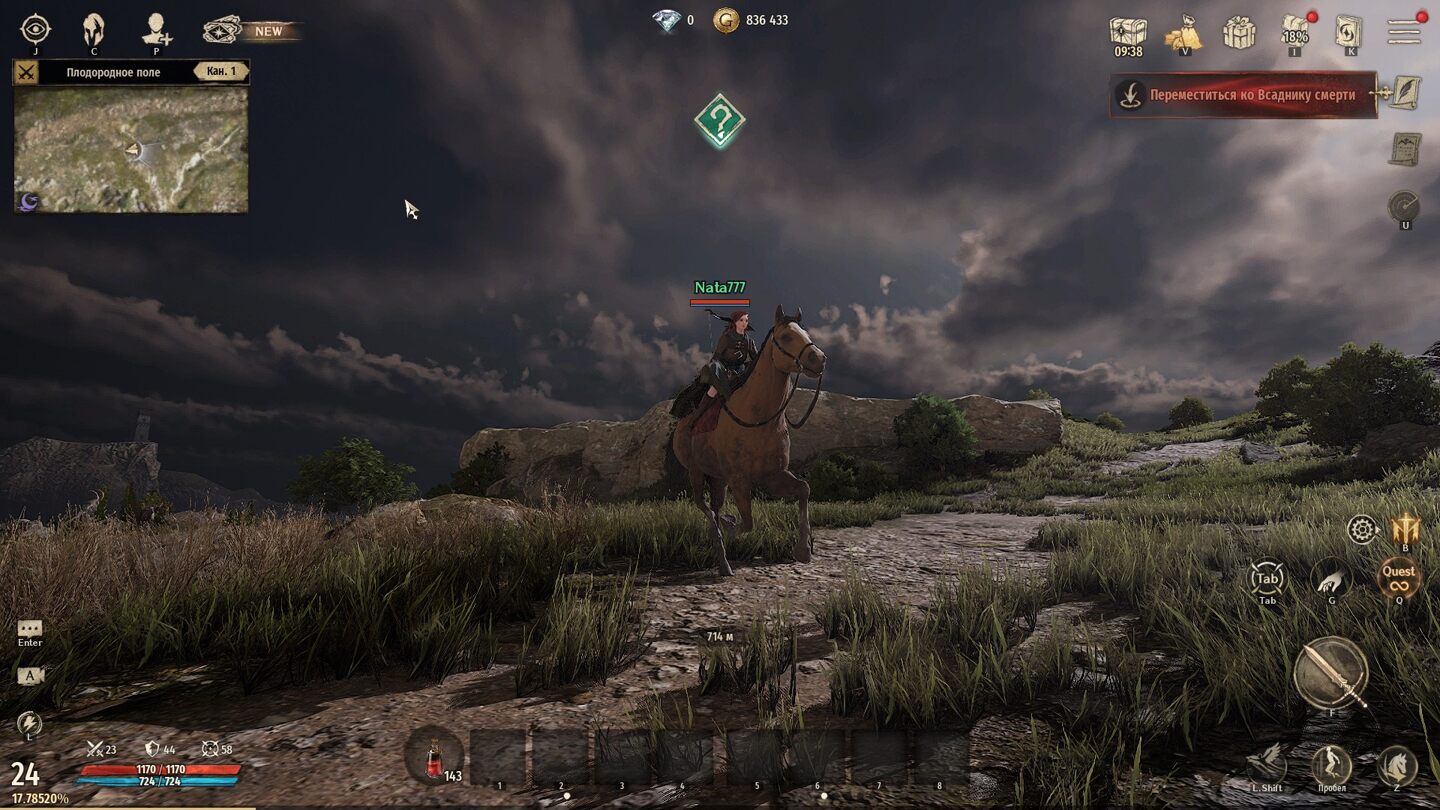
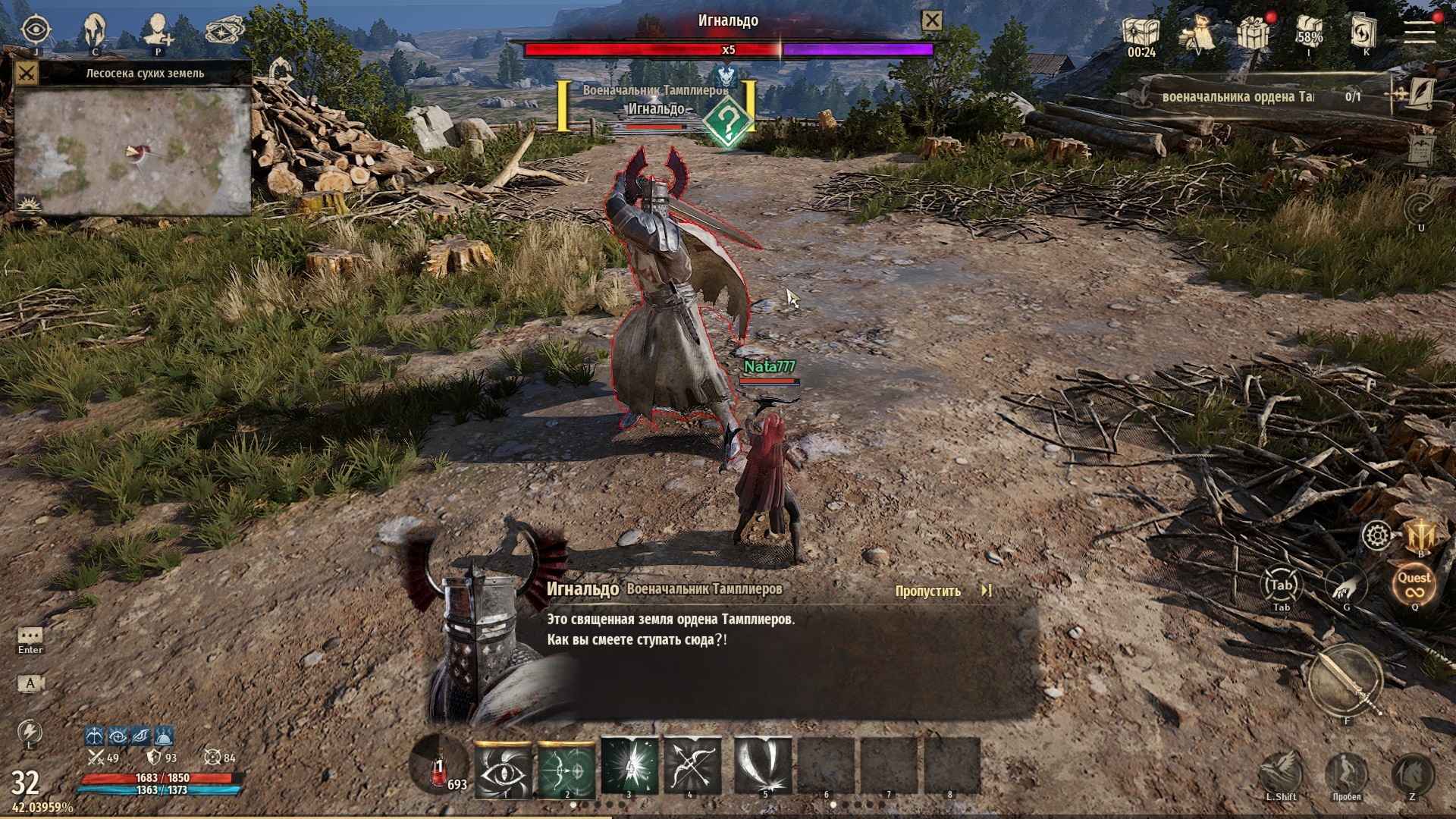
There is a story and it’s fairly intriguing—well, in theory at least. The action unfolds in an alternative 13th-century Europe after the end of the Fourth Crusade in 1204. We find ourselves in the fictional duchy of New Trieux, where familiar medieval times, Templars, kings, princesses and all that are mixed with magic and mysticism. In addition, a conflict constantly smolders between opposing forces—order versus chaos, oppression versus rebellion, night versus day, light versus darkness. And we play as a member of the titular organization “Night Crows”, tasked with tracking down some important character—he seems to threaten the current power or is a heretic.
During the search we visit many different settlements, complete heaps of quests and destroy thousands of enemies. The grind here is total. Quests can be framed differently, contain different requests (not just kill that, but also find, collect resources and so on), accompanied by meetings with various characters, but the overwhelming majority still boil down to running or galloping to the right spot and there first destroying 40, then 60, 80 or 100 opponents.
During the search we visit many different settlements, complete heaps of quests and destroy thousands of enemies. The grind here is total. Quests can be framed differently, contain different requests (not just kill that, but also find, collect resources and so on), accompanied by meetings with various characters, but the overwhelming majority still boil down to running or galloping to the right spot and there first destroying 40, then 60, 80 or 100 opponents.
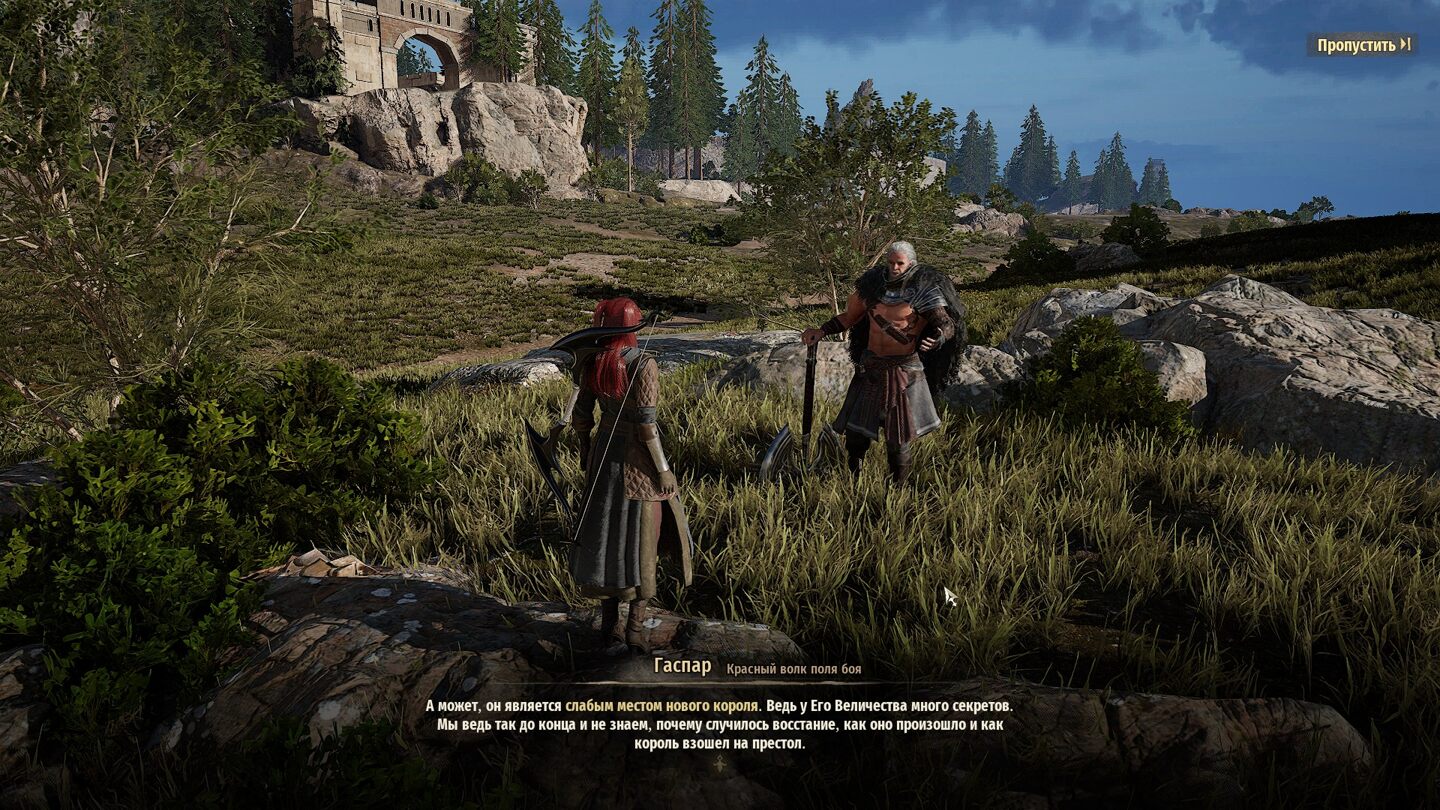
That doesn’t mean the story is uninteresting. Lots of events happen—we spy, clash with Templar abuse, assault their camp after setting traps beforehand, then encounter missing people in villages who seem to have been affected by magic, and so on. Eventually the player has to maneuver between the interests of different factions and then decide what role to take in the global conflict—become a “Raven”, symbol of freedom and rebellion, or a “Crown”, embodiment of power and order. But you must be ready for the fact that before all these important choices you will have to complete a huge number of rather monotonous quests and slay many thousands of opponents.
On the other hand, the Night Crows authors are honest and don’t try to pull the wool over your eyes, directly stating that this is a game about grind and farm. And if that’s not a problem for you (and many people do like such games), then welcome. Especially since in Night Crows, thanks to blockchain support, you can earn real money, meaning to some extent it’s a job where you perform routine actions. So everything is fair. Moreover, the process of destroying monsters can be easily and conveniently automated—up to setting which skills and in what order your character will use and when to drink potions. Meanwhile you can do other things yourself.
On the other hand, the Night Crows authors are honest and don’t try to pull the wool over your eyes, directly stating that this is a game about grind and farm. And if that’s not a problem for you (and many people do like such games), then welcome. Especially since in Night Crows, thanks to blockchain support, you can earn real money, meaning to some extent it’s a job where you perform routine actions. So everything is fair. Moreover, the process of destroying monsters can be easily and conveniently automated—up to setting which skills and in what order your character will use and when to drink potions. Meanwhile you can do other things yourself.
PvE and PvP
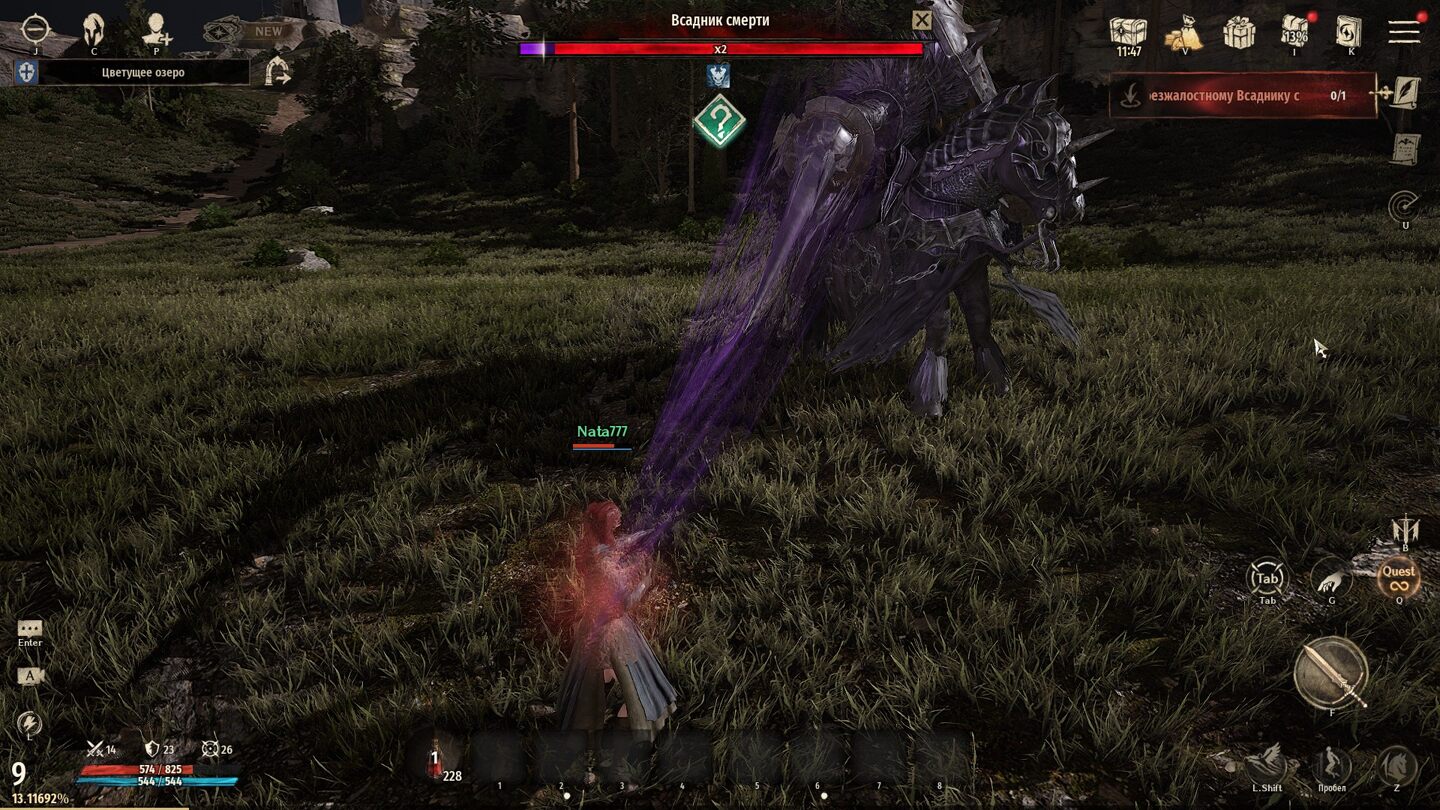
Besides numerous story and side quests, daily tasks and errands you can pick up in settlements from the notice board, in Night Crows you are free to enter various dungeons alone or in groups. There are two conditions—you must pay to enter and your stay is time-limited. In dungeons we likewise destroy dozens and hundreds of monsters one after another, the difference being that there you can obtain special rewards and resources needed for crafting or upgrading equipment. Special items allow you to extend your stay, and artifact upgrades can grant resistance to negative effects active in such zones.
Dungeons vary—some can only be entered by certain characters and at certain times. Group dungeons can be cleared (and their very strong boss defeated) only in cooperation. And in the Tower of Trials difficulty and conditions change on each floor—there are 110 of them. There are also raids on bosses that characters from one server can attack.
Dungeons vary—some can only be entered by certain characters and at certain times. Group dungeons can be cleared (and their very strong boss defeated) only in cooperation. And in the Tower of Trials difficulty and conditions change on each floor—there are 110 of them. There are also raids on bosses that characters from one server can attack.
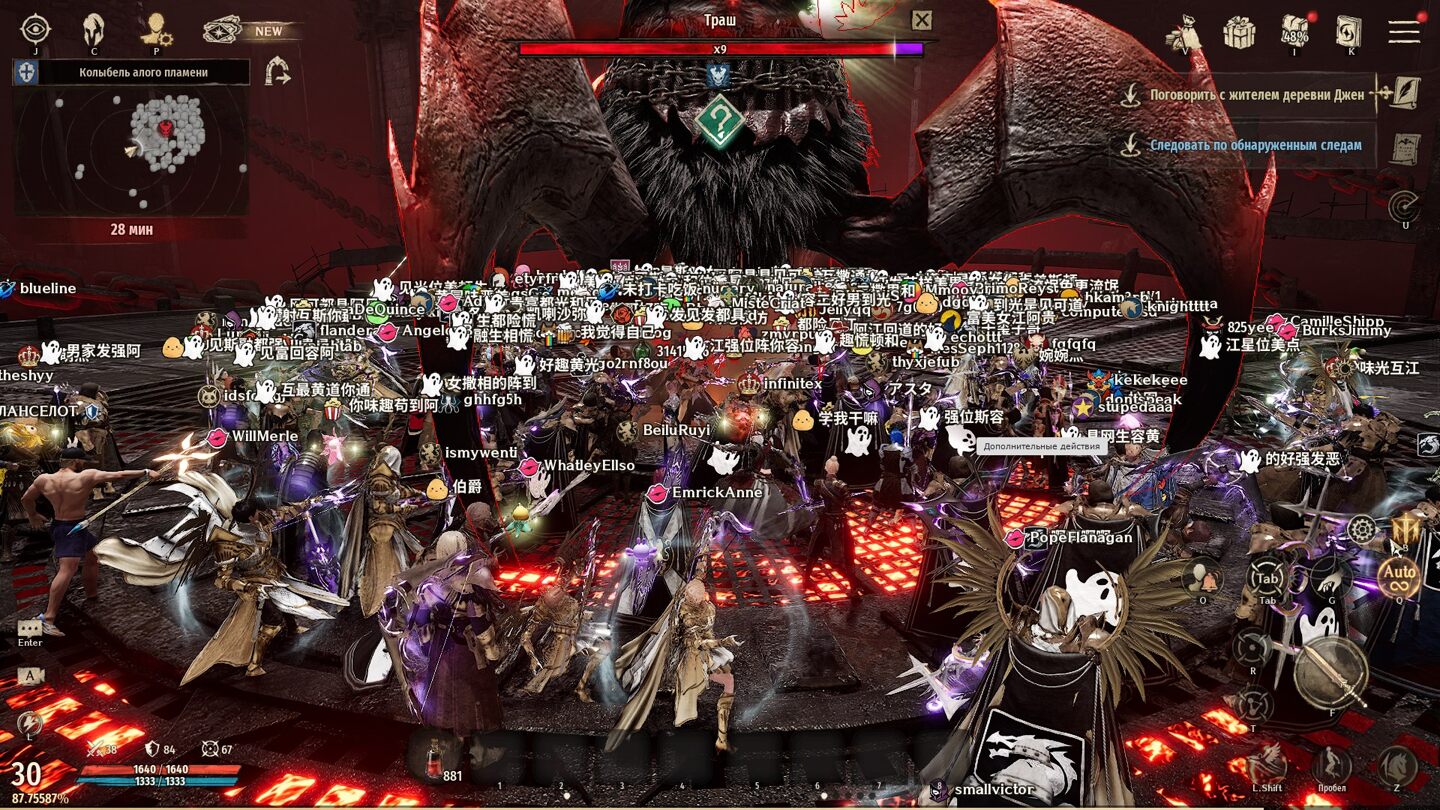
As for PvP—battles with other players—Night Crows is fairly standard. On every server the game world is split into safe and combat zones, and if in combat zones you kill too many players from that server too often, you risk becoming a “ferocious murderer”—this imposes many penalties, including lowered stats, inability to trade and use mounts. Yet on arenas battles with other users are legal—besides ordinary ones there are also so-called “world arenas” where several servers cooperate or fight each other.
Naturally, you can create and join guilds, receiving various advantages for participating in their activities and carrying out orders (though it also imposes duties)—up to the chance to obtain a guild cloak with different effects. Up to five guilds can unite into alliances and then take part in the most interesting and large-scale PvP events. First of all these are Crusades, a seasonal strategic war-for-territories mode—there alliances from all servers in the region fight to expand their holdings. Another interesting mode is “Frontline” (Battlefront), where entire groups of servers enter conflict. Its distinguishing feature is the presence of a shelter, a base for each server. For PvP participation we receive different currencies, badges of merit or feats that can be exchanged for various goods, consumables and other useful items.
Naturally, you can create and join guilds, receiving various advantages for participating in their activities and carrying out orders (though it also imposes duties)—up to the chance to obtain a guild cloak with different effects. Up to five guilds can unite into alliances and then take part in the most interesting and large-scale PvP events. First of all these are Crusades, a seasonal strategic war-for-territories mode—there alliances from all servers in the region fight to expand their holdings. Another interesting mode is “Frontline” (Battlefront), where entire groups of servers enter conflict. Its distinguishing feature is the presence of a shelter, a base for each server. For PvP participation we receive different currencies, badges of merit or feats that can be exchanged for various goods, consumables and other useful items.
Combat and class system
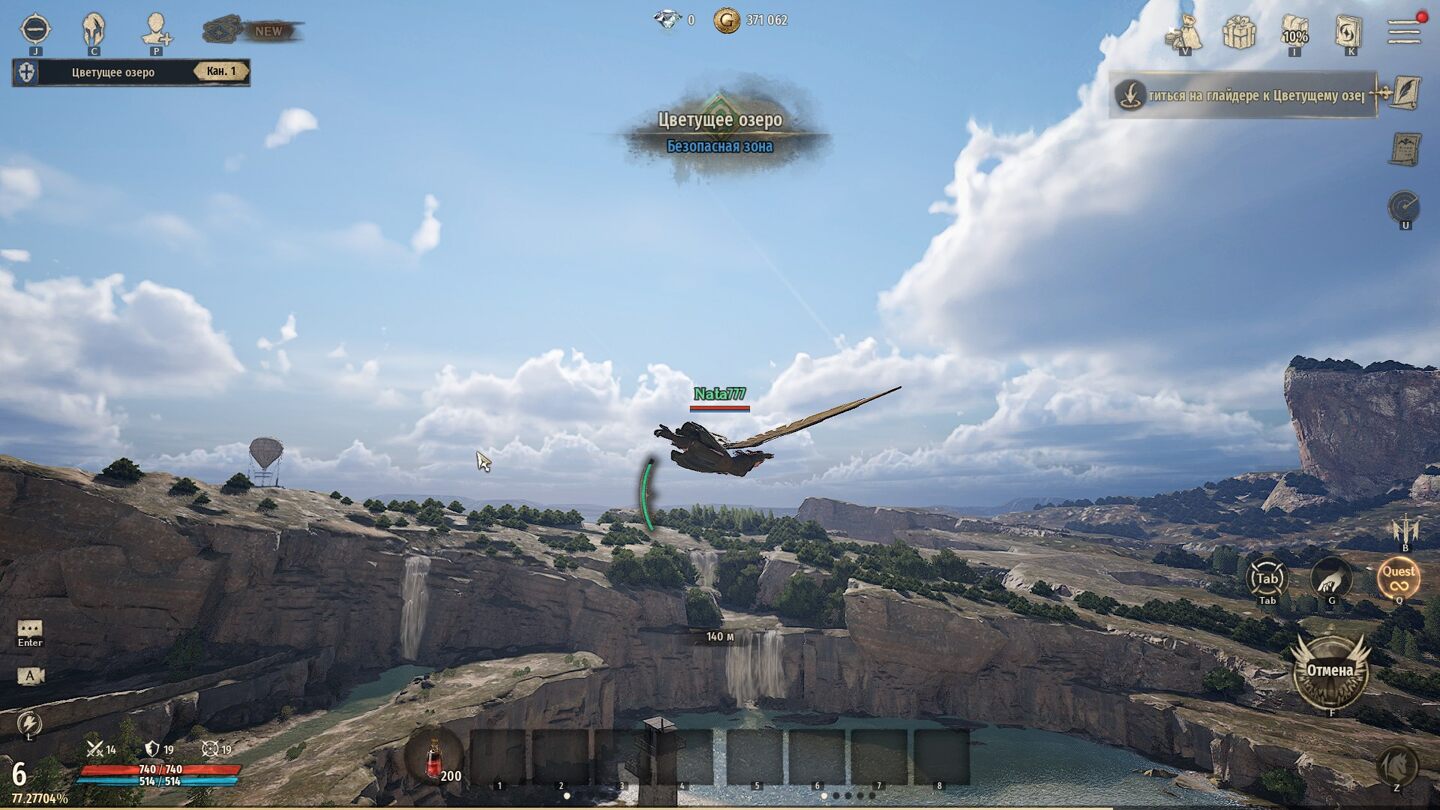
Many events and PvP modes can only be accessed with a special character—a glider. Yes, in Night Crows you can fly—using a glider that can be swapped and customized, granting various bonuses from the device. In general, flight is given special attention—with the glider you can accelerate or decelerate to survey surroundings, soar skyward or dive down, attacking the target and its surroundings on the ground. Moreover, in the air you can rain spells on enemies.
Aerial battles greatly enliven the combat system because on the ground everything is more familiar and standard—we stand, pick targets, attack them in turn, pressing the attack button or activating skills on “hotkeys”. Or the character does it for us in automatic mode.
Aerial battles greatly enliven the combat system because on the ground everything is more familiar and standard—we stand, pick targets, attack them in turn, pressing the attack button or activating skills on “hotkeys”. Or the character does it for us in automatic mode.
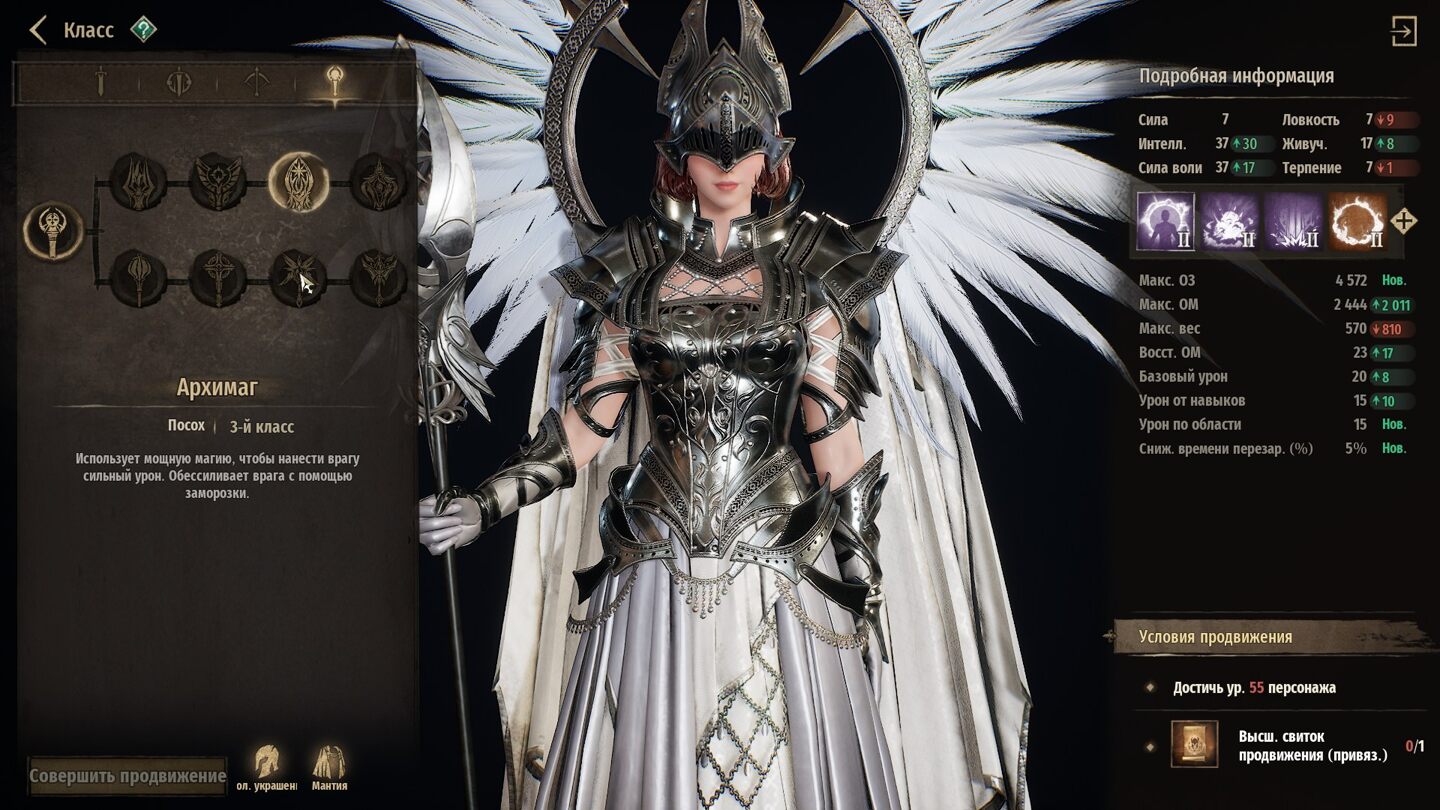
Combat skills depend on class, and there are a huge number of them—4 main and 36 subclasses. Main specializations are based on weapon used: Warrior (two-handed sword), Swordsman (one-handed blade), Hunter (bow) and Sorcerer (staff). Upon reaching a certain level and fulfilling other conditions you can advance and master one of the subclasses. Thus a Hunter can become a Sniper using the longest-range attacks or, for example, swap the bow for daggers and turn into a Rogue capable of dealing critical damage and hiding. Choosing a rapier lets you pick the Fencer or Oppressor subclass focusing on counter-attacks and paralyzing opponents. If a Sorcerer swaps staff for magic wand they become Scholar or Cleric, and a Warrior can take up a spear and choose between Lancer and Piercer.
Regardless of chosen specialization we gain levels and upgrade our character, including via mechanics such as Faith Transfer (allows improving one stat) and Potential Breakthrough. In addition, you can strengthen your hero through gear, mounts, artifacts—equipment can be crafted and enhanced in various ways, endowed with extra properties—enhancement, mastery, finishing, and use of so-called “weapon skins”. And the “Ascension” mechanic lets you improve stats of mounts, skins and gliders. In short, complete freedom for true munchkins.
Regardless of chosen specialization we gain levels and upgrade our character, including via mechanics such as Faith Transfer (allows improving one stat) and Potential Breakthrough. In addition, you can strengthen your hero through gear, mounts, artifacts—equipment can be crafted and enhanced in various ways, endowed with extra properties—enhancement, mastery, finishing, and use of so-called “weapon skins”. And the “Ascension” mechanic lets you improve stats of mounts, skins and gliders. In short, complete freedom for true munchkins.
Donation and blockchain
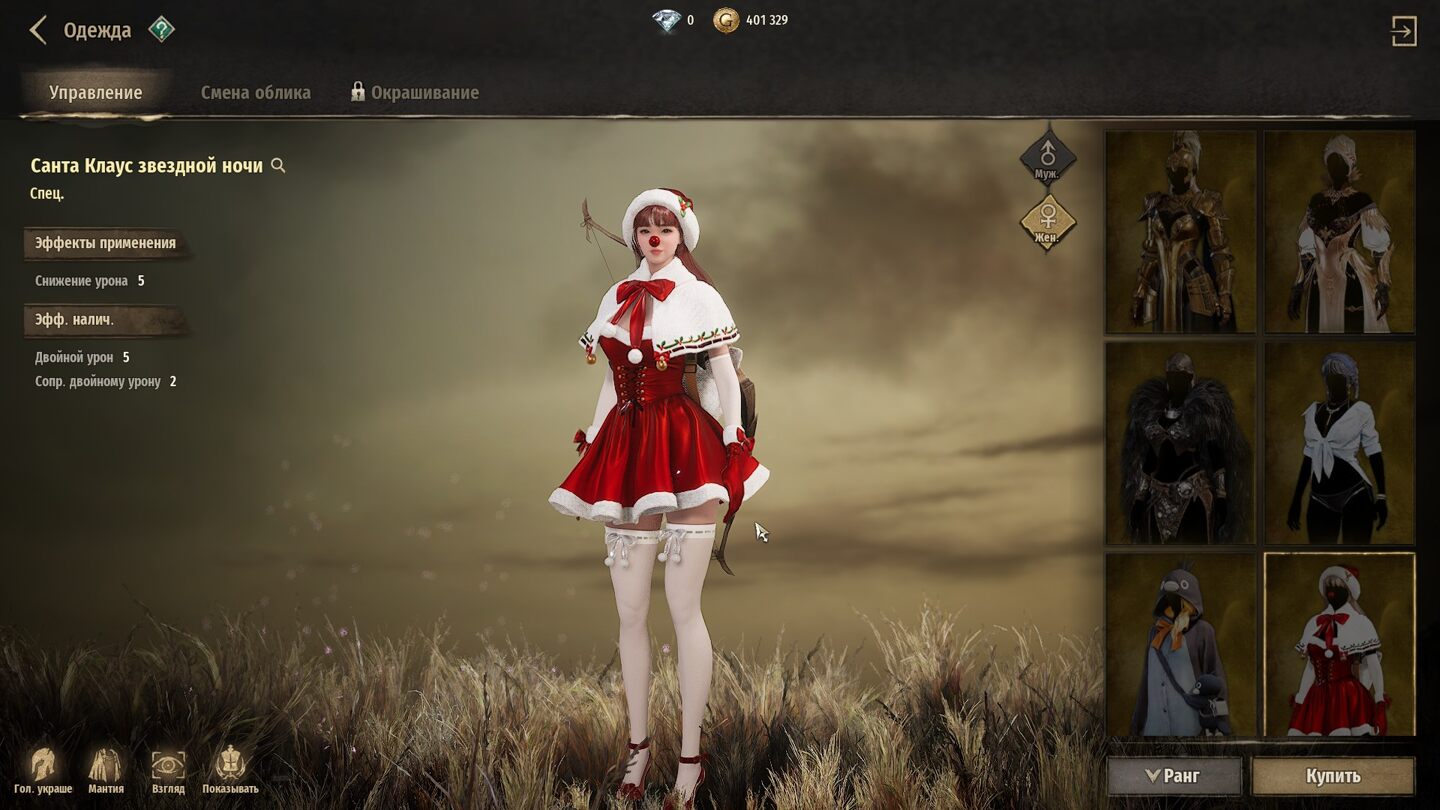
Like all modern MMORPGs, Night Crows has micro-transactions, an in-game shop, various battle passes and currencies. One of the most popular items is different costumes and other customization items for characters. But, as you’ve gathered, in this game you can also earn—thanks to blockchain technology with its own token (CROW) and NFTs. Players can earn these CROW tokens by completing quests, participating in battles or trading items. And NFTs allow trading rare in-game items, character skins or even ownership rights to virtual land.
Conclusion
Night Crows is certainly not a perfect game. Some dislike the abundance of grind, others dislike fluctuations in the digital currency rate. But it’s undeniable that this is a unique MMORPG on the modern market that lets you not only spend but also earn. Plus it looks gorgeous, lets you take part in large-scale PvP battles and stylishly attack enemies from the air.
Zarium. October 2025
Zarium. October 2025