





Guild Wars 2 Game Review
Guild Wars 2 is a crucial and iconic game for the MMORPG genre. Despite its venerable age, it is still considered one of the most innovative. An open picturesque world, a system of dynamic events, massive battles between players - we tell you more about this and other features of the game in our review.
About the plot and personal stories
The first Guild Wars was released back in 2005 and, in full accordance with its name, offered a unique system of massive multiplayer battles between players divided into guilds and alliances. The flip side of this approach was a deficit of interesting activities for solo players. In the sequel, which ArenaNet and NCSoft released in 2012, the situation was fixed - the authors fundamentally wanted Guild Wars 2 to be playable the way you want to play it.
And among other things, they made it so that it would be interesting for players who care about the plot even in online games. Guild Wars 2 has a common storyline related to the awakening of ancient dragons who bring disasters to the entire world of Tyria, as well as the formation and reunion of the guild "Destiny's Edge" - it is the one trying to stop the dragons. But the personal stories of the hero of each race come first here. These stories intersect one way or another, but each of them is a full-fledged storyline.
And among other things, they made it so that it would be interesting for players who care about the plot even in online games. Guild Wars 2 has a common storyline related to the awakening of ancient dragons who bring disasters to the entire world of Tyria, as well as the formation and reunion of the guild "Destiny's Edge" - it is the one trying to stop the dragons. But the personal stories of the hero of each race come first here. These stories intersect one way or another, but each of them is a full-fledged storyline.
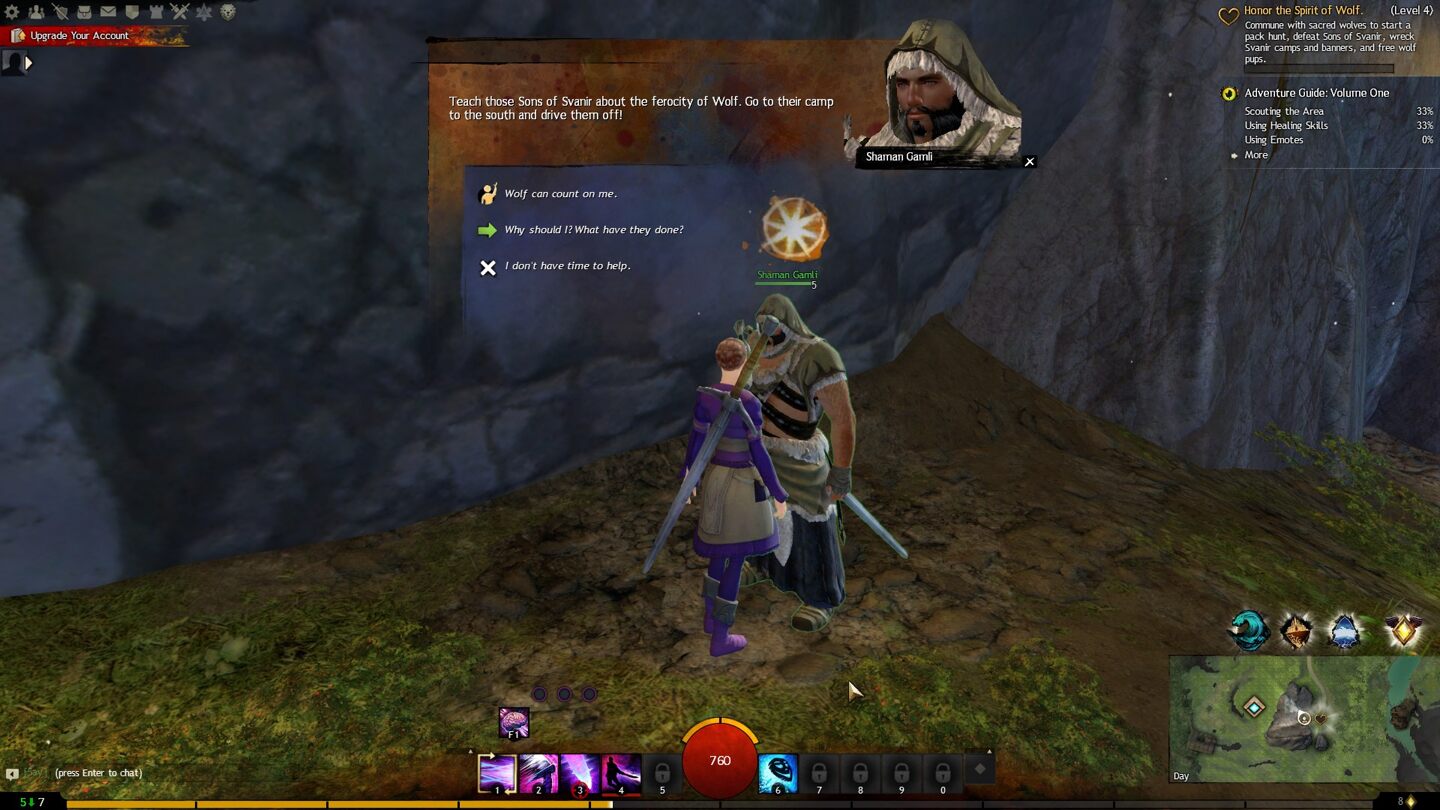
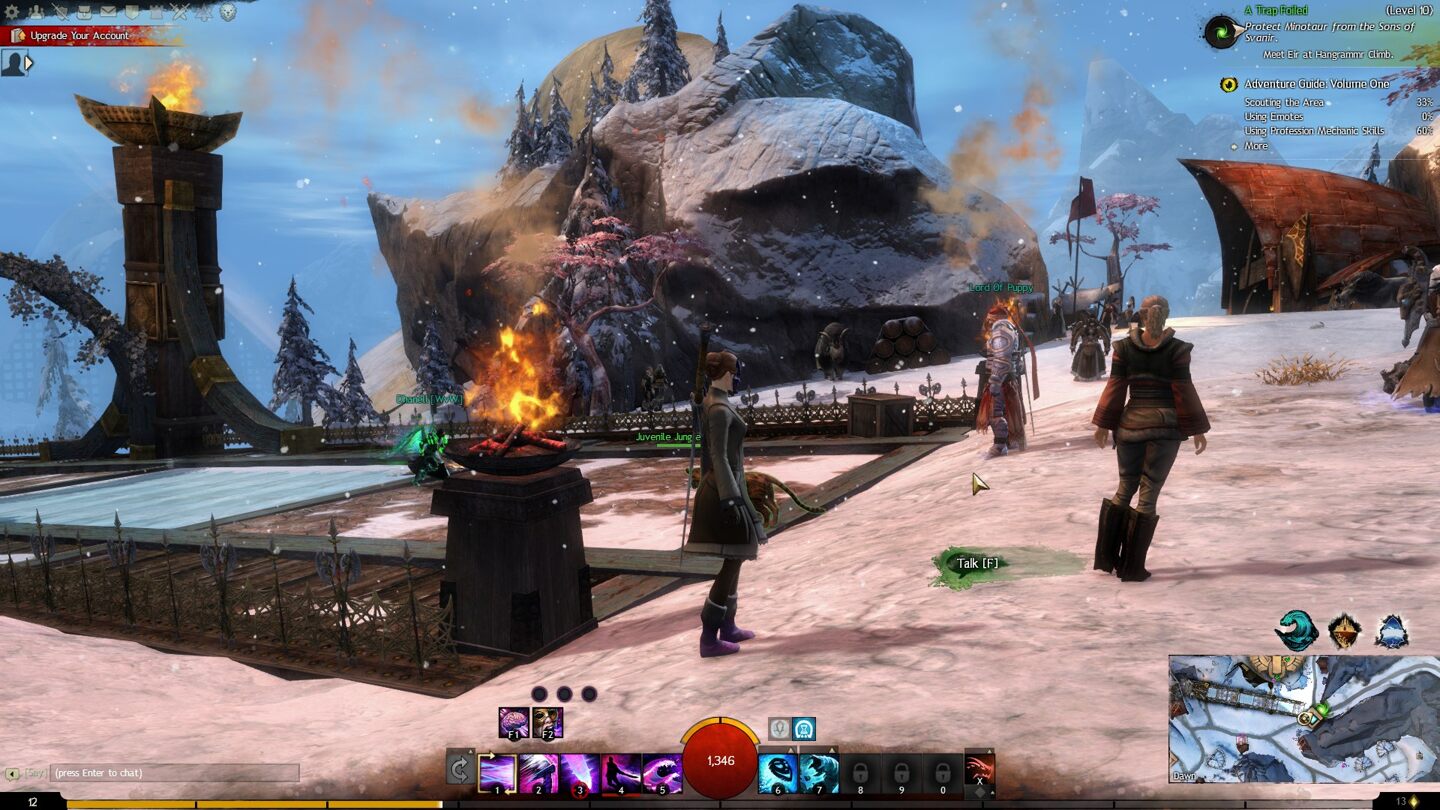
The game features five races - humans, norn (local Vikings), charr (sort of cat-people), asura (local dwarves), and sylvari (plant-people). Each starts in their own region and faces unique events. And, for example, if you chose a human hero, you first have to reunite with friends, catch criminals, and uncover corruption in the local government. An asura character presents their invention to the judgment of scientists, a sylvari confronts nightmares from their past, and a Viking goes through various trials as a skilled hunter and heir to the glory of great ancestors.
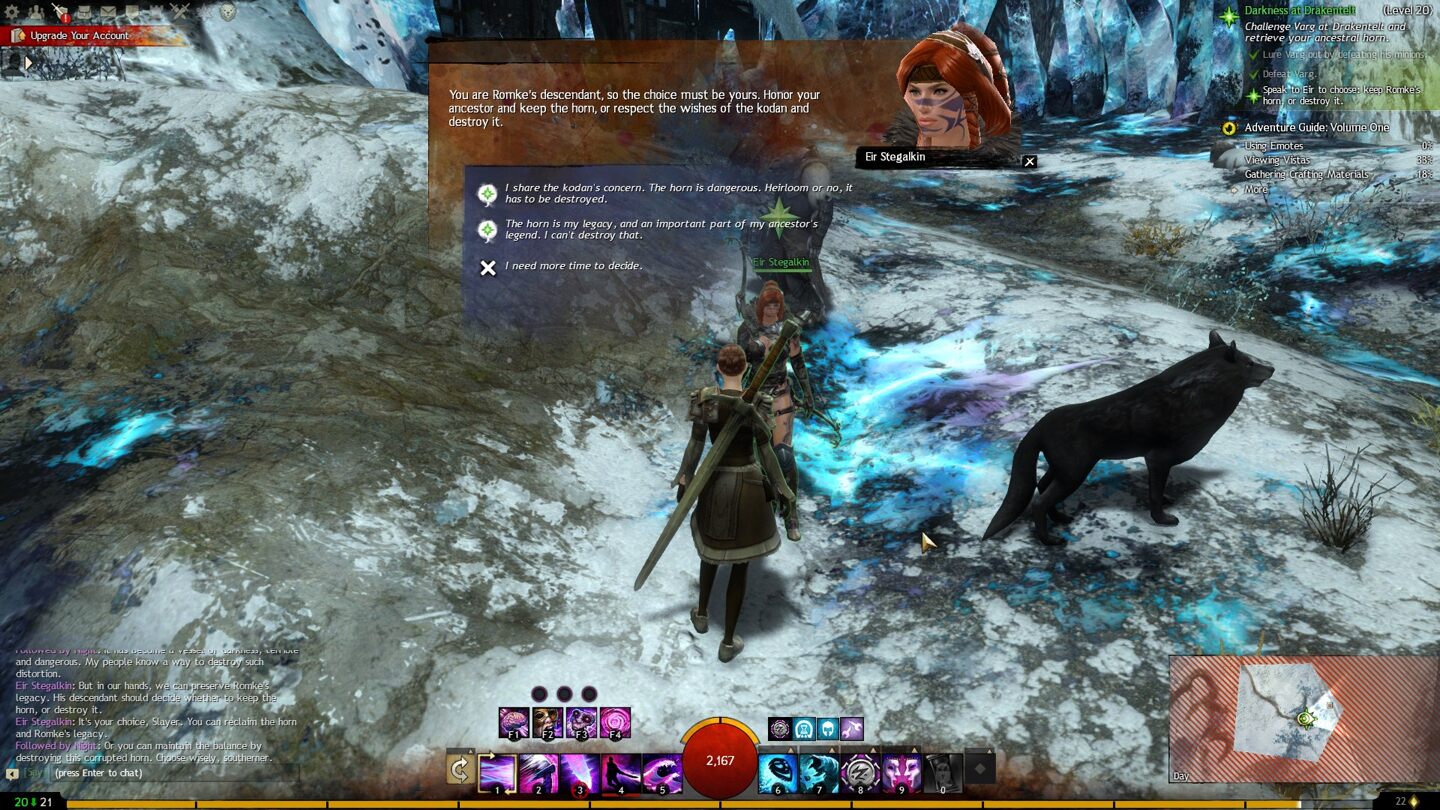
Later on, each hero will have many interesting and even unexpected events. And this is far from always directly related to battles. Thus, charr representatives try to reconcile with their father, humans must fix the mistakes of the past, and norn even have to turn into a minotaur and save other representatives of this species. At the same time, you very often have to make an important choice that affects subsequent events. So, at some point, Vikings need to decide whether to destroy a dangerous artifact or preserve it as part of their race's great heritage.
Later on, each hero will have many interesting and even unexpected events. And this is far from always directly related to battles. Thus, charr representatives try to reconcile with their father, humans must fix the mistakes of the past, and norn even have to turn into a minotaur and save other representatives of this species. At the same time, you very often have to make an important choice that affects subsequent events. So, at some point, Vikings need to decide whether to destroy a dangerous artifact or preserve it as part of their race's great heritage.
Ultimately, everyone faces the threat of the dragons, meets representatives of the guild "Destiny's Edge", and tries to recreate it. And for this, you need to choose one of the three important orders to work for. And this choice will determine a lot - what allies we get, what races we will help, and even which of our own fears we will have to fight.
About dynamic events
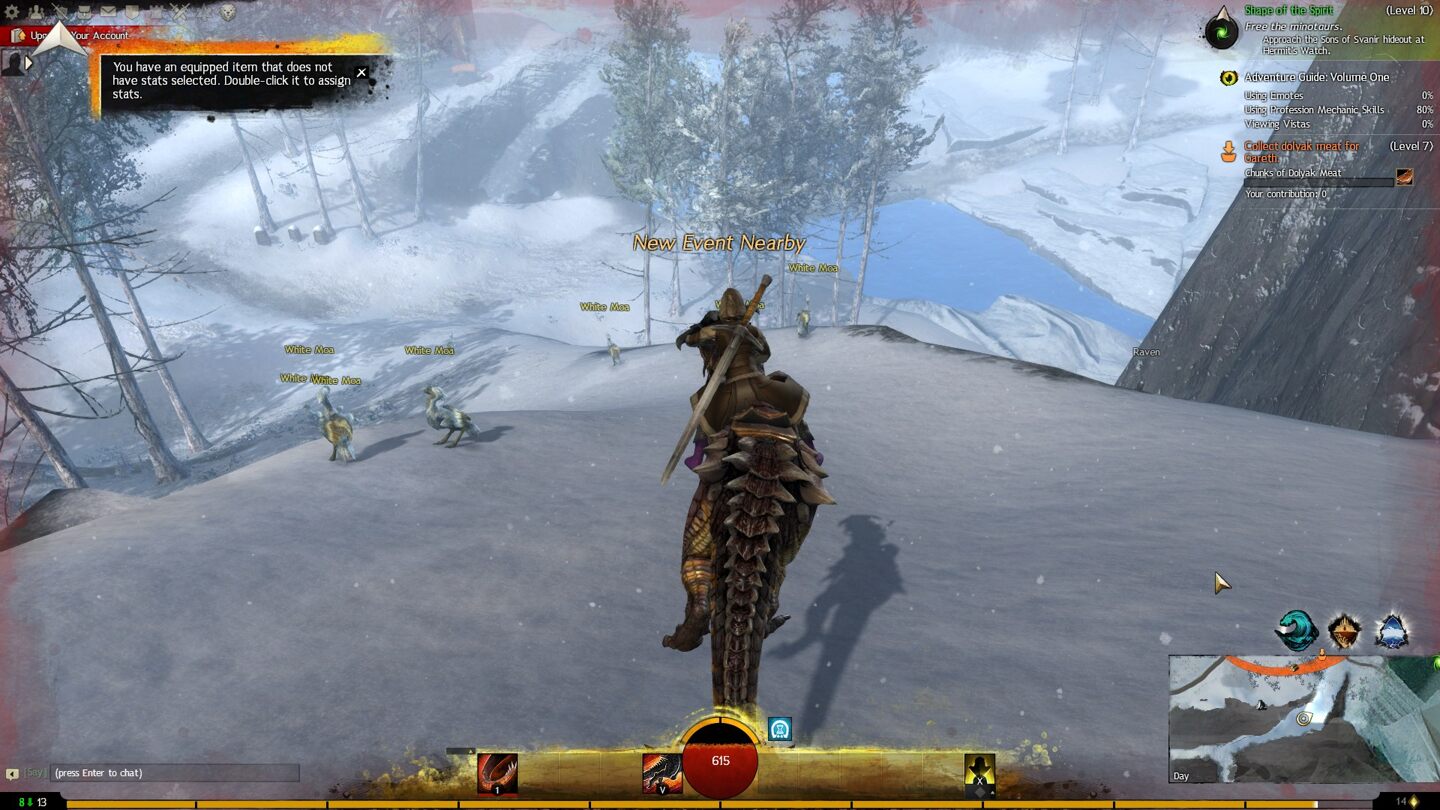
All plot and personal stories are divided into acts and chapters, and their new stages open as your character reaches the required level. But you don't have to be bored in between either. This is where the unique system of open quests and dynamic events comes into play, which can take place sequentially one after another or simultaneously in different parts of the same area. No one directs us anywhere or locks us anywhere - the open world is almost entirely (with a few exceptions) accessible from the very beginning, and in the process of exploring it, heading towards one or another point of interest on the map (and there are a lot of them), we become witnesses to one or another event or an open quest is launched, which takes place in a certain area (you can always go back and finish it).
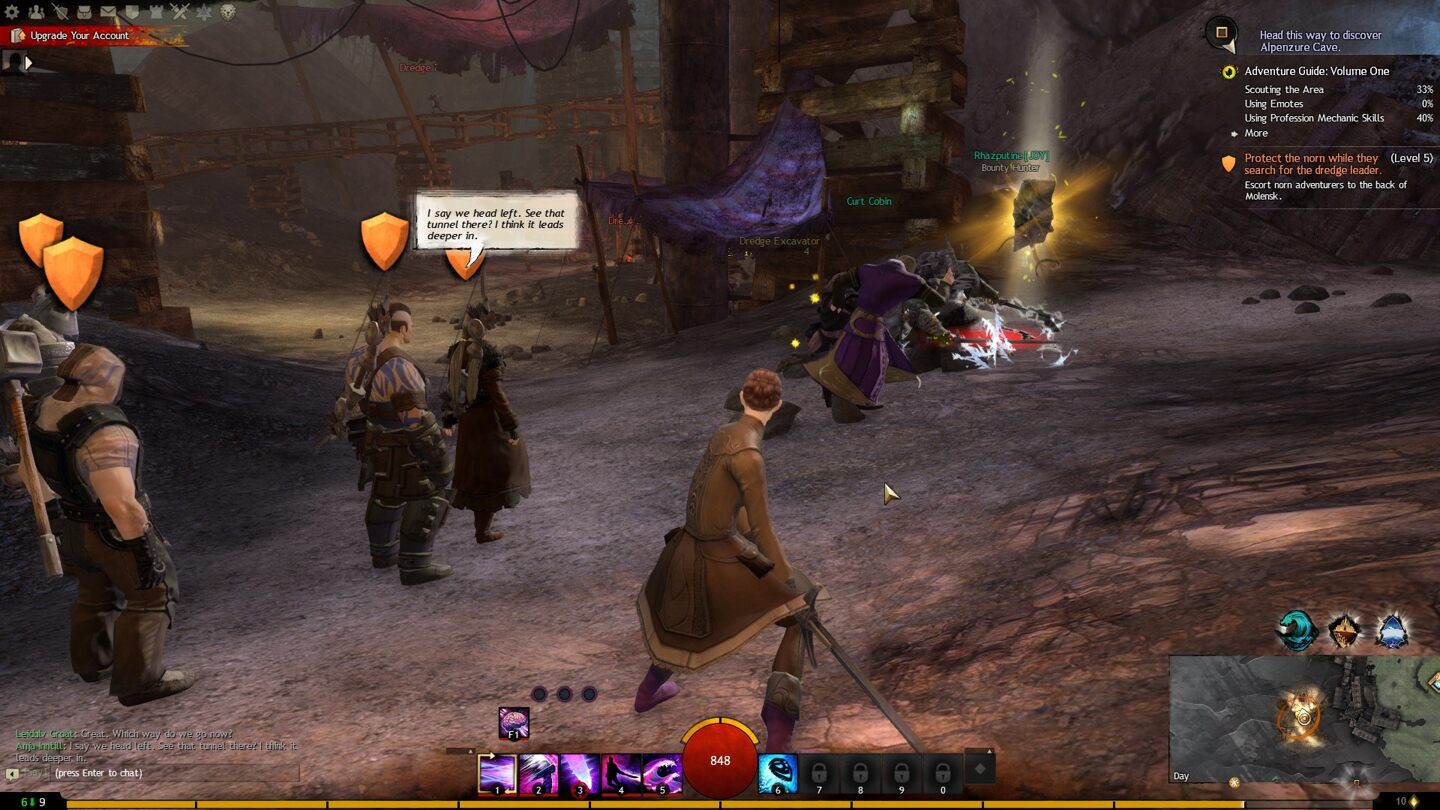
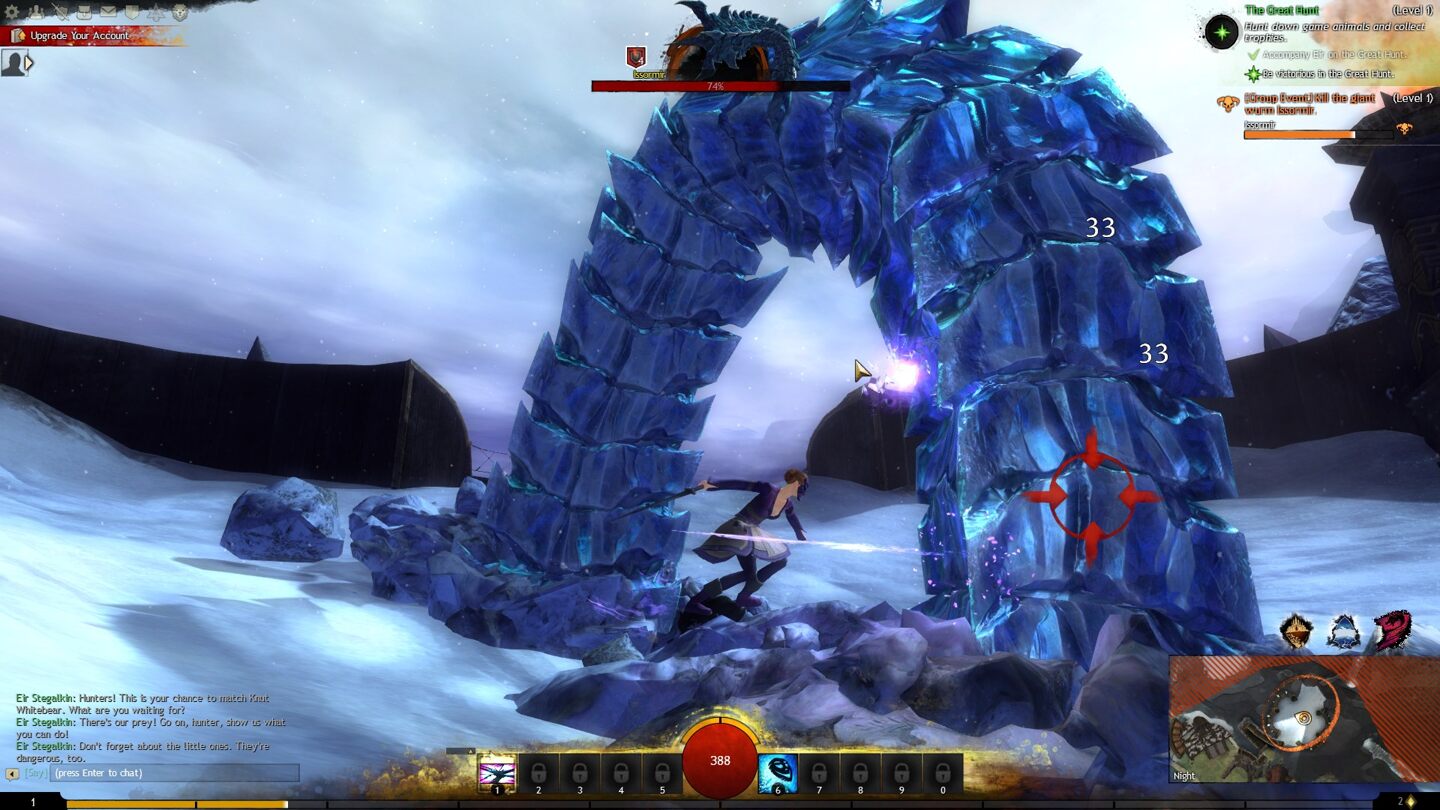
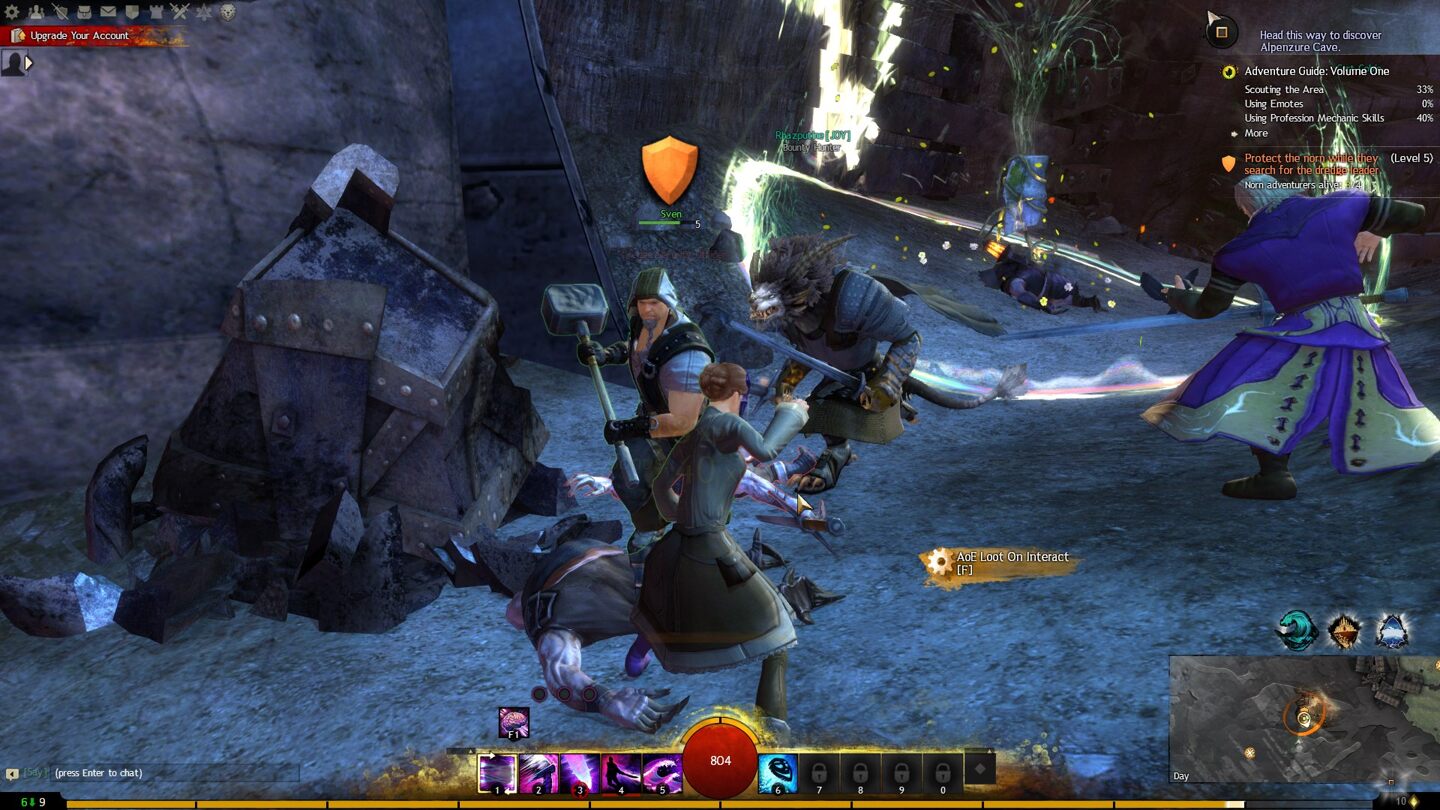
You may be asked to escort a caravan or a scientific expedition, destroy a group of enemies or a single but strong boss, participate in an attack on enemy forces or in defending a city from bandits, tame animals, help put out a fire, or even play snowballs with local kids. Open quests are repeated regularly, but large branching events arise depending on various factors and develop regardless of our participation. And if today you ran past a village attacked by centaurs and did not take part in its defense (or simply didn't notice/didn't know), tomorrow you will find only ruins in that place.
The dynamism also manifests itself in the fact that the intensity and complexity of such large events directly depend on the participation of players in them. And if, for example, many players came to defend the village, then the resistance will be stronger - and vice versa. Thus, the game world is constantly changing dynamically, regardless of whether we participate in certain events or not. Or rather: even your non-participation affects this world.
The dynamism also manifests itself in the fact that the intensity and complexity of such large events directly depend on the participation of players in them. And if, for example, many players came to defend the village, then the resistance will be stronger - and vice versa. Thus, the game world is constantly changing dynamically, regardless of whether we participate in certain events or not. Or rather: even your non-participation affects this world.
About player versus player battles
Naturally, in addition to plot and dynamic events, Guild Wars 2, like any MMORPG, has cooperative (with a team of 5 or 10 players) raids into dungeons of varying difficulty, instances, world boss hunts, and so on. And also here, as in the first part, a huge amount of attention is paid to player versus player battles. But in the sequel, the developers, by their own admission, wanted to provide the best PvP experience in the genre, and also organize it more simply and clearly.
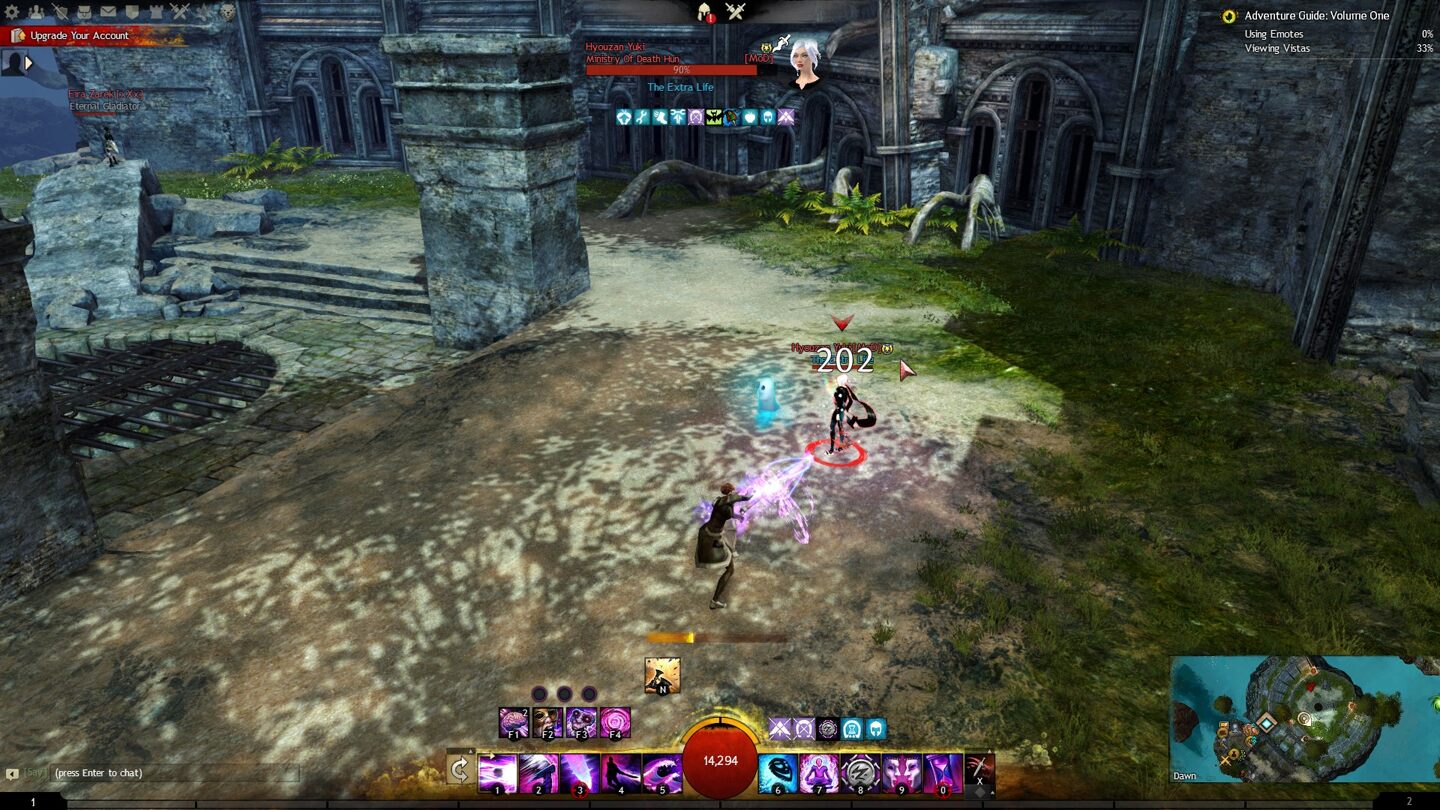
First of all, they allocated a separate zone for battles between users called Heart of the Mists - there you can not only take part in different modes, but also train, test your build, trade, and communicate with teachers who share knowledge about PvP and give certain guides. The modes themselves are divided into random battlegrounds, in which randomly assembled teams of ten people participate, and tournaments for pre-arranged teams of five people.
First of all, they allocated a separate zone for battles between users called Heart of the Mists - there you can not only take part in different modes, but also train, test your build, trade, and communicate with teachers who share knowledge about PvP and give certain guides. The modes themselves are divided into random battlegrounds, in which randomly assembled teams of ten people participate, and tournaments for pre-arranged teams of five people.
In addition, you can take part in team battles for control points (Conquest mode), where you need to capture and hold certain zones and be the first to score 500 points. And during Stronghold, your team must break the gates of the enemy base and kill the opposing lord - although there are other tasks as well.
But the most interesting things unfold in the WvW or World versus World mode. These are massive battles for territory between three servers - at stake is control over castles, towers, and resource camps located on a huge map, which is divided into several parts, including a neutral central zone and borderlands. There are different activities - you have to escort or destroy caravans, capture resource sources and towers, storm or defend castles, build defensive structures and siege weapons according to blueprints.
But the most interesting things unfold in the WvW or World versus World mode. These are massive battles for territory between three servers - at stake is control over castles, towers, and resource camps located on a huge map, which is divided into several parts, including a neutral central zone and borderlands. There are different activities - you have to escort or destroy caravans, capture resource sources and towers, storm or defend castles, build defensive structures and siege weapons according to blueprints.
Ultimately, based on the rating system, the best servers are selected and formed into groups of three, and then these servers fight each other. That is, in this case, the choice of server really matters. In addition, the choice of guild is also important (although no one forces you to join anywhere) - participation in it, as expected, gives various advantages, including learning from more experienced characters and receiving rewards for completing special guild missions.
One of the main features of PvP in Guild Wars 2 is that all players here are on equal footing. Upon entering the player versus player battle mode, the level is automatically increased to 80, the stats of players and their equipment become roughly the same, and we are offered to customize a separate class for PvP. And only in WvW mode do your equipment, skills, and talents remain the same as they were before entering Heart of the Mists, but the level of all players there is also automatically increased to the maximum.
One of the main features of PvP in Guild Wars 2 is that all players here are on equal footing. Upon entering the player versus player battle mode, the level is automatically increased to 80, the stats of players and their equipment become roughly the same, and we are offered to customize a separate class for PvP. And only in WvW mode do your equipment, skills, and talents remain the same as they were before entering Heart of the Mists, but the level of all players there is also automatically increased to the maximum.
About classes and specializations
Initially, all classes in Guild Wars 2 are divided into three archetypes according to what kind of armor - light, medium, or heavy - they use. Scholars wear light armor and are divided into necromancers, elementalists who use the elemental forces of nature, and mesmers - these are duelist mages who rely on deception and control of their opponents and for this summon their illusory copies.
Adventurers use medium armor - among them stand out engineers (who excel at handling explosives, gadgets, elixirs, and are able to install various devices), thieves, and rangers who specialize in bow shooting. And soldiers clad in heavy armor are divided into warriors and guardians, who are essentially analogues of paladins.
Adventurers use medium armor - among them stand out engineers (who excel at handling explosives, gadgets, elixirs, and are able to install various devices), thieves, and rangers who specialize in bow shooting. And soldiers clad in heavy armor are divided into warriors and guardians, who are essentially analogues of paladins.
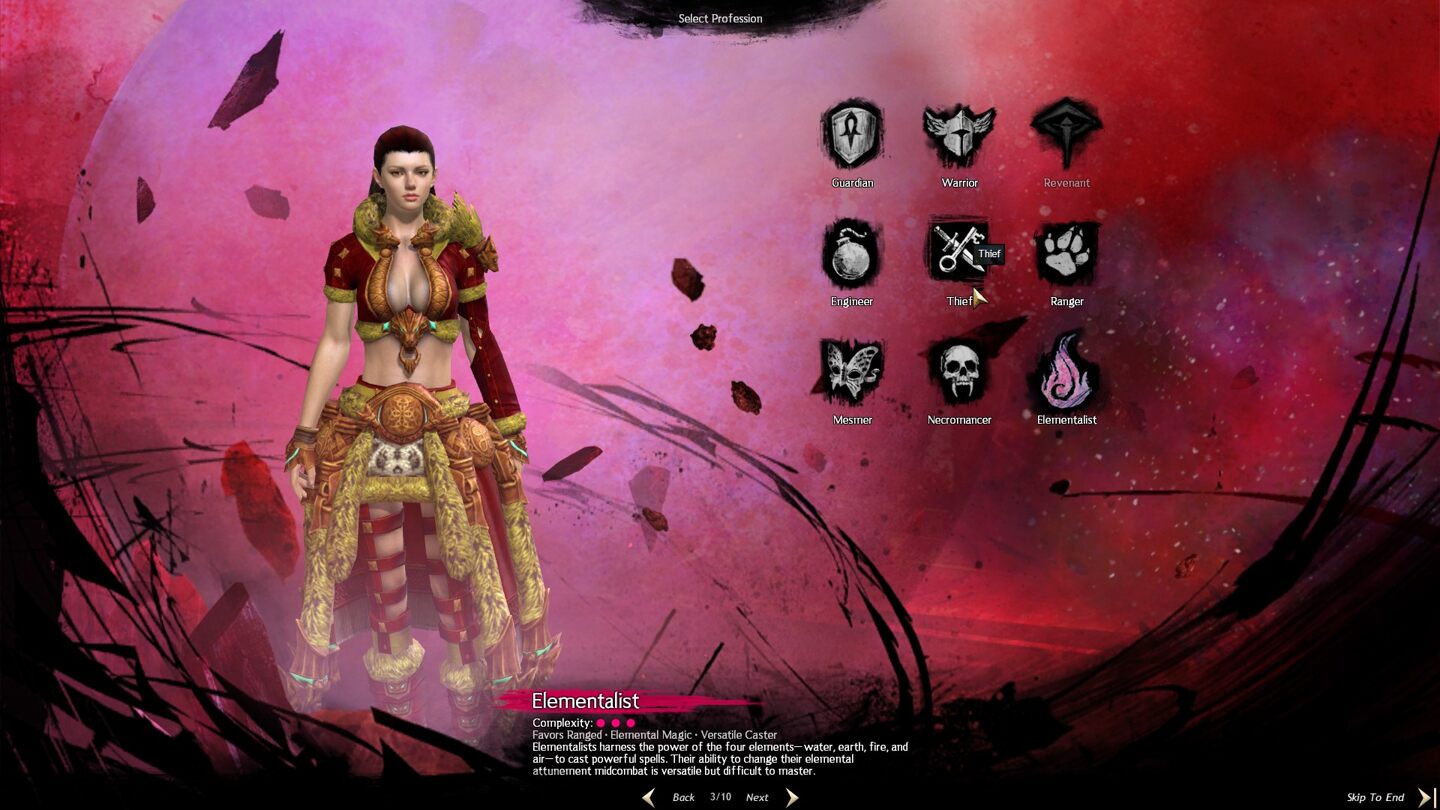
Each class has its own specializations - depending on the level, each character can have up to 3 of them simultaneously. A special place is occupied by elite specializations, which not only change the effect of some skills, but directly affect the playstyle itself and open access to new possibilities and new weapons, that is, they essentially create a new class.
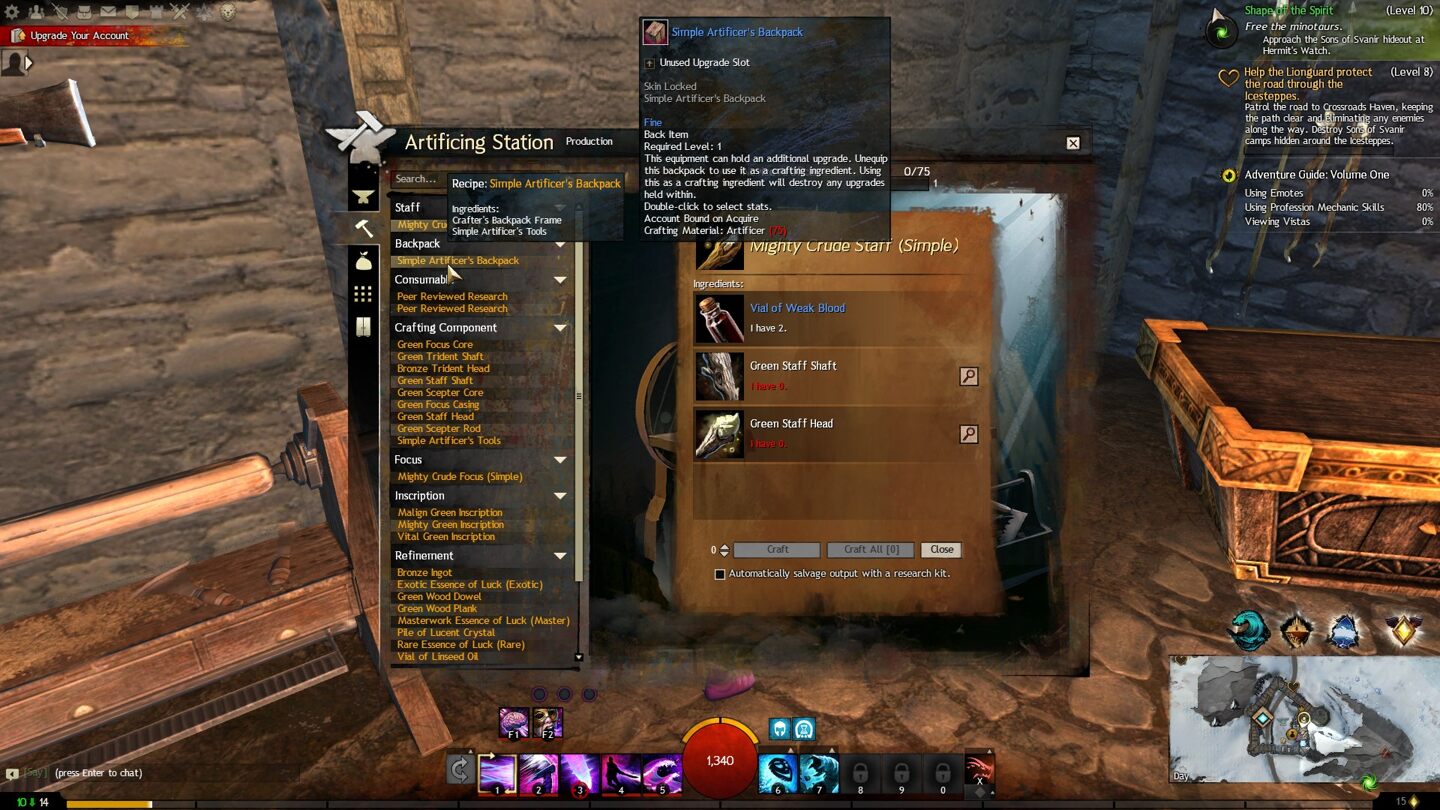
So, a warrior can turn into a spellbreaker or a berserker, a thief into a deadeye, a guardian into a dragonhunter, and a ranger into a healing druid. Naturally, in addition to the competent selection of skills and knowledge of all the features of your class, it is also important to properly equip the character - by the way, equipment can be improved, including with the help of runes and sigils. In addition, the game implements an advanced crafting system for both equipment and consumables.
So, a warrior can turn into a spellbreaker or a berserker, a thief into a deadeye, a guardian into a dragonhunter, and a ranger into a healing druid. Naturally, in addition to the competent selection of skills and knowledge of all the features of your class, it is also important to properly equip the character - by the way, equipment can be improved, including with the help of runes and sigils. In addition, the game implements an advanced crafting system for both equipment and consumables.
How it plays
Despite the fact that the game was released in 2012, it still looks quite beautiful and modern today. It is interesting to explore the large picturesque world, where no one holds you by the hand, but something is constantly happening and the feeling that you yourself influence all this, including with your decisions, never leaves.
And fighting is also interesting. Battles, regardless of the chosen class and specialization, always proceed dynamically. On the one hand, the game uses the ancient and typical for MMORPG mechanic of selecting a target, after which we spam skills on it via "hotkeys". But at the same time, all fighters can actively dodge, including projectiles fired, and if the opponent has increased the distance, the strike will miss. You also need to take into account the presence of obstacles that can block an attack.
And fighting is also interesting. Battles, regardless of the chosen class and specialization, always proceed dynamically. On the one hand, the game uses the ancient and typical for MMORPG mechanic of selecting a target, after which we spam skills on it via "hotkeys". But at the same time, all fighters can actively dodge, including projectiles fired, and if the opponent has increased the distance, the strike will miss. You also need to take into account the presence of obstacles that can block an attack.
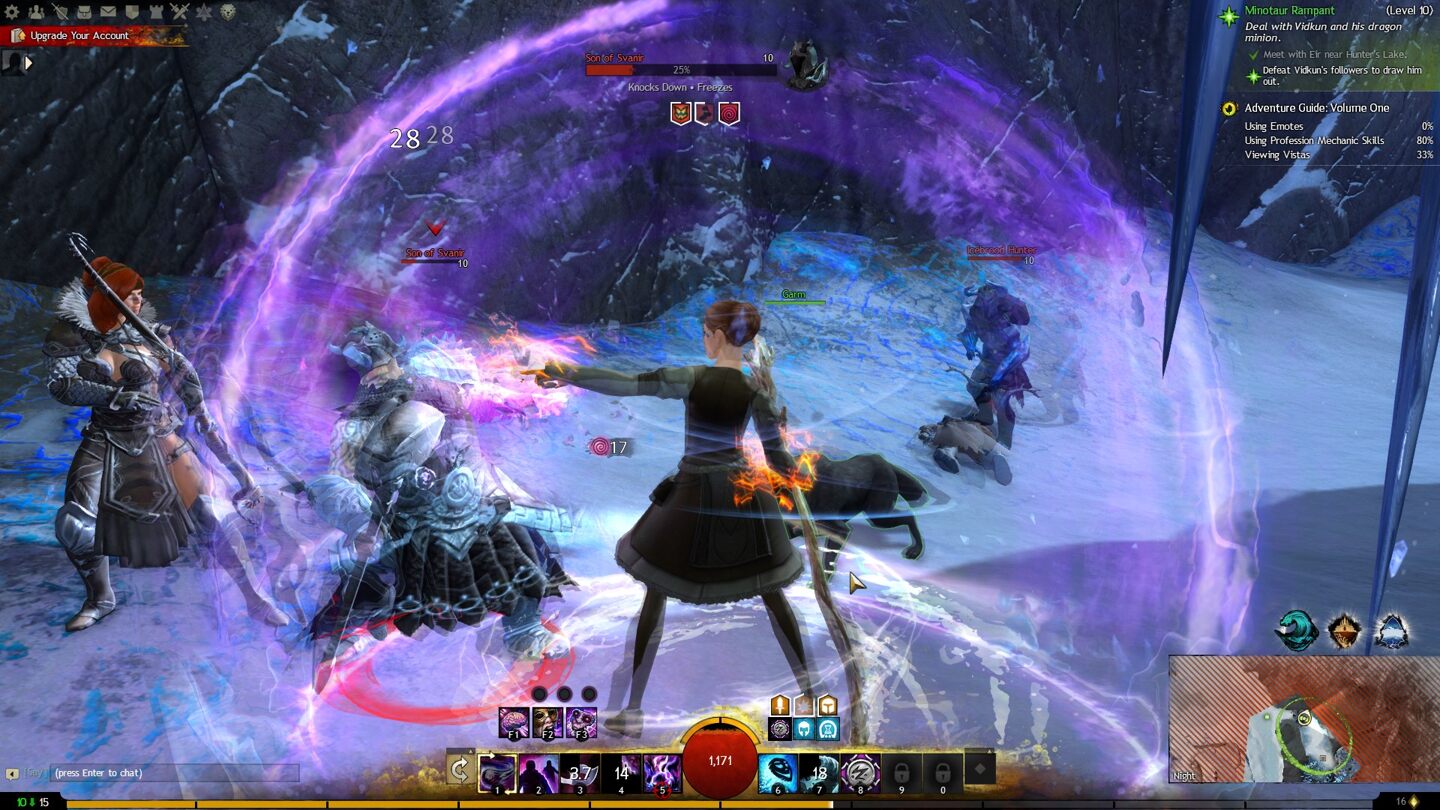
It is also interesting that even after death, the character does not die immediately - they have some time to, lying on the ground, try to fight off the enemy and even get up with half health. During this time, allies can also revive them - this, as you understand, promotes teamwork. You can also revive fallen non-player characters, gaining experience for it - this further increases the atmosphere of what is happening.
It is also important that Guild Wars 2 has no pay-to-win system. The first part also became one of the first online games that did not require monthly payments. And in the sequel, the authors set the task to make it so that players who paid for the game once had almost equal opportunities without the need to invest anything else. And moreover, now you can play the base version for free for an unlimited time, and you only need to pay for expansions. At the same time, the in-game store mainly sells only cosmetic items and boosters - although they can also be purchased for in-game currency if desired.
It is also important that Guild Wars 2 has no pay-to-win system. The first part also became one of the first online games that did not require monthly payments. And in the sequel, the authors set the task to make it so that players who paid for the game once had almost equal opportunities without the need to invest anything else. And moreover, now you can play the base version for free for an unlimited time, and you only need to pay for expansions. At the same time, the in-game store mainly sells only cosmetic items and boosters - although they can also be purchased for in-game currency if desired.
Conclusion
Guild Wars 2 rightfully is one of the most sought-after, innovative, and important games on the modern MMORPG market. A large open world, a non-linear plot unique for each race, freedom of choice, dynamic battles, exciting multiplayer battles for territories - there is something for everyone to do here, and even solo players, unlike the first part, will not feel deprived.
Zarium. May 2026.
Zarium. May 2026.