





FragPunk Game Review
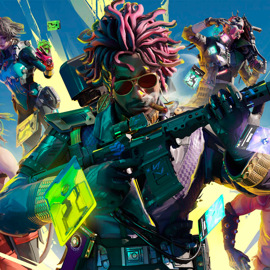
Against the backdrop of the success of Delta Force, Marvel Rivals, and other Chinese games, FragPunk's rapid rise to the top of Steam's popular offerings no longer seems surprising. Chinese studios are currently favored by audiences who appreciate online shooters. And after Black Myth: Wukong, which took first place according to several publications in 2024, it became clear that masters from the Middle Kingdom are capable of not only multiplayer but also single-player adventures. In short, they've learned from others. And if that's the case, imitation was inevitable. If, for example, Black Myth imitates the Japanese Souls series, then FragPunk is a nod to Apex Legends and Valorant, and, believe it or not, Counter-Strike. And all this is available for free.
Introduction to the Game
Imagine this scenario: two well-known companies decided to release two different online shooters with the same sources of inspiration. Both projects were poorly advertised, and as a result, one of them failed right at the start, while the other became a hit. The failed shooter is Sony Interactive Entertainment's Concord. The successful one is FragPunk from the Chinese publisher NetEase. So what gives one newcomer an advantage over the other if they're so similar in many ways?
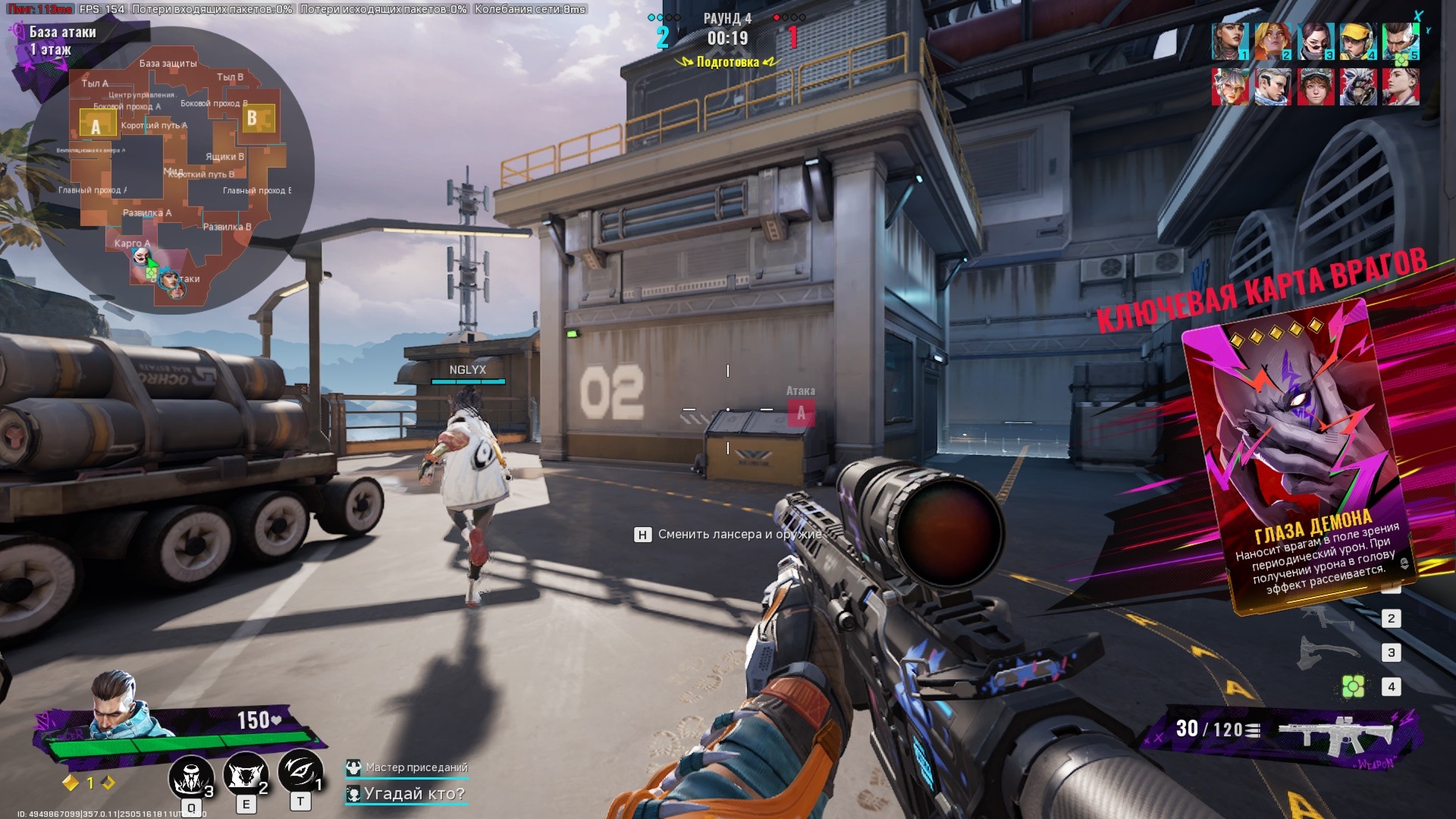
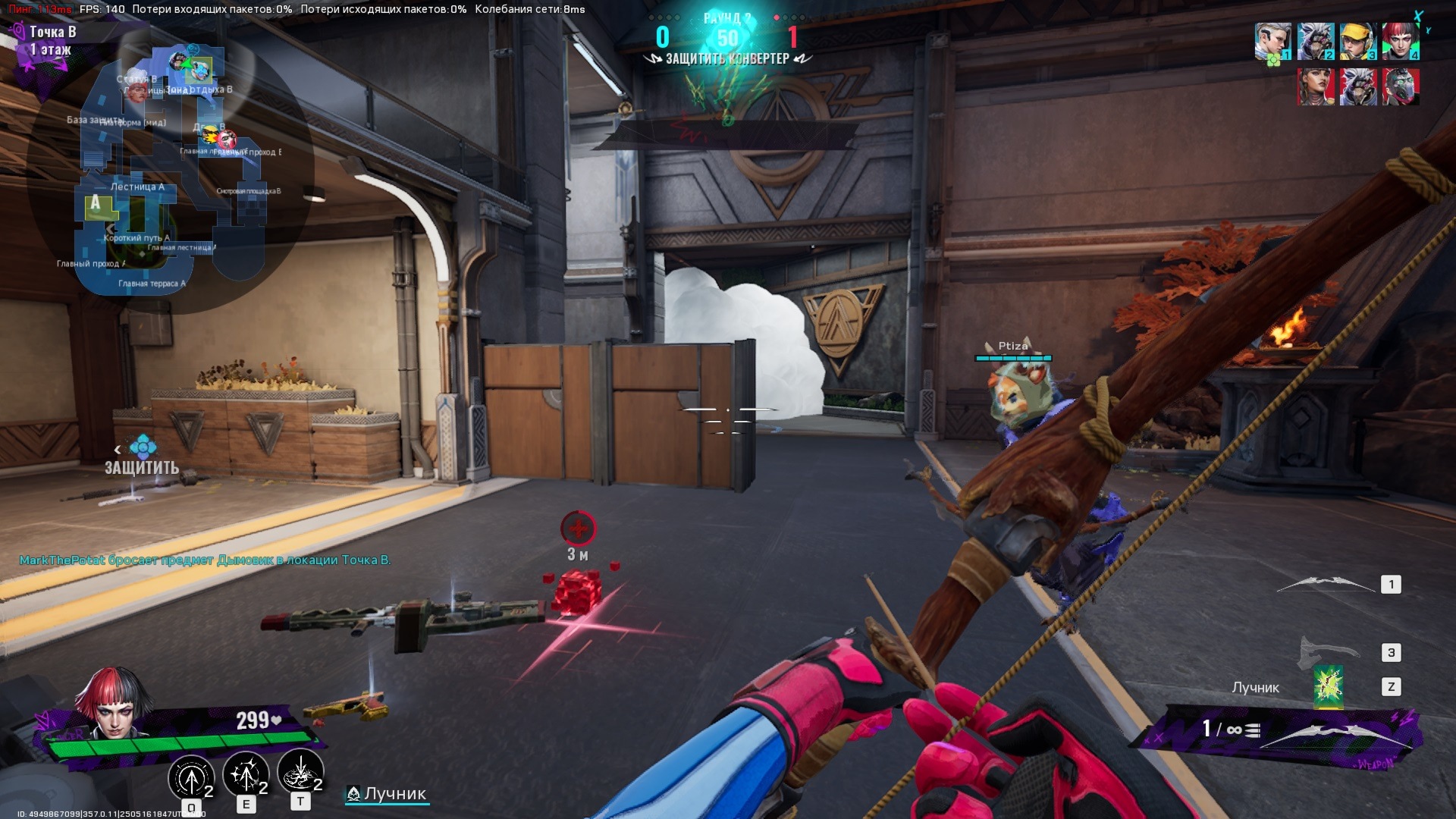
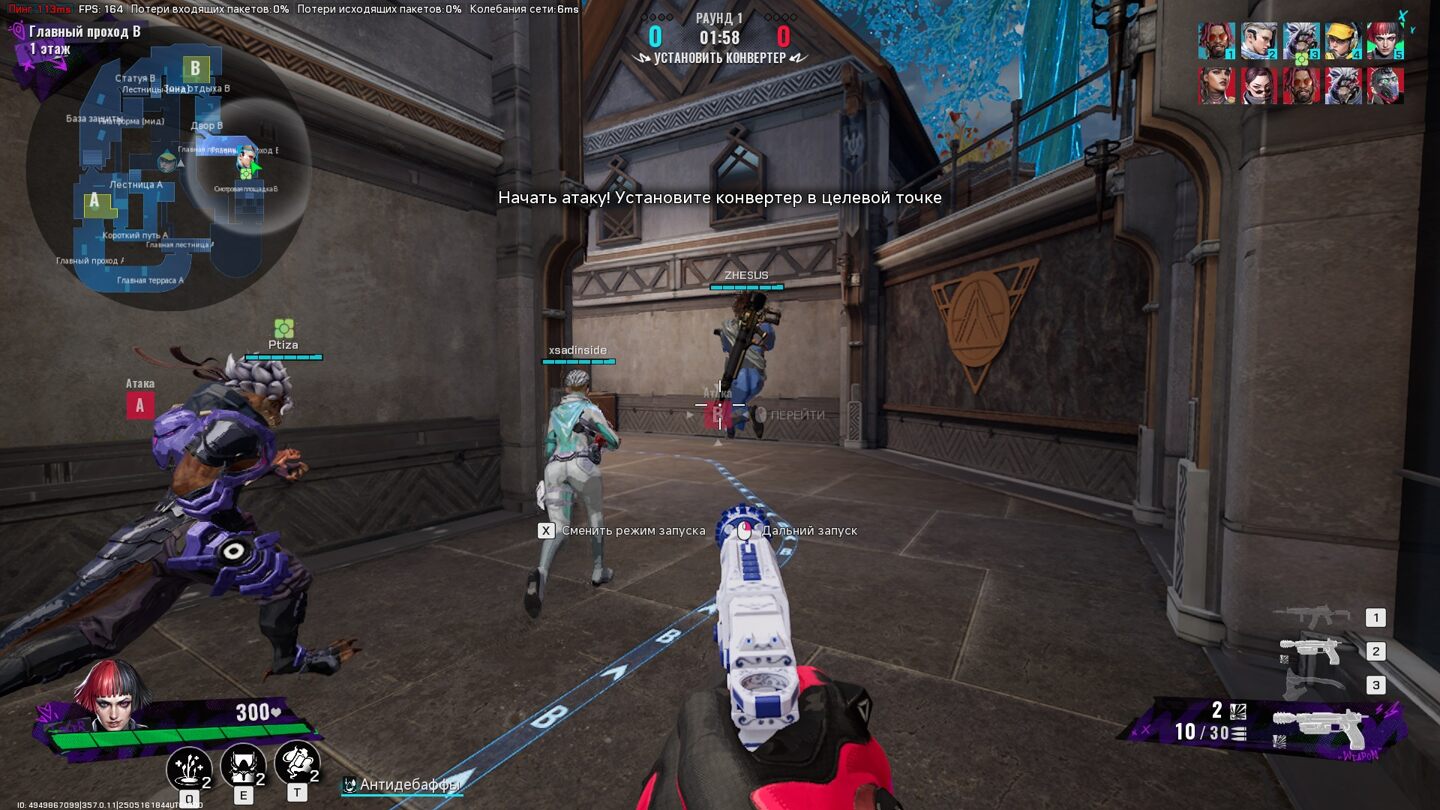
At first glance, it seems like a standard Counter-style shooter. There are two teams of five players each: one must plant a bomb (converter) at one of two designated points on the map, while the other must defuse it. Battles are fought in rounds, up to four wins, and success depends on map knowledge, accuracy, and, of course, team coordination. Newcomers unprepared for voice chat with their squadmates will almost certainly lose to a group of friends discussing every move over the microphone. It all seems familiar to genre fans. But the game from Bad Guitar Studio has a few unique features. First, the heroes here are distinct—each has their own tricks up their sleeve. Second, there are the actual tricks—the cards.
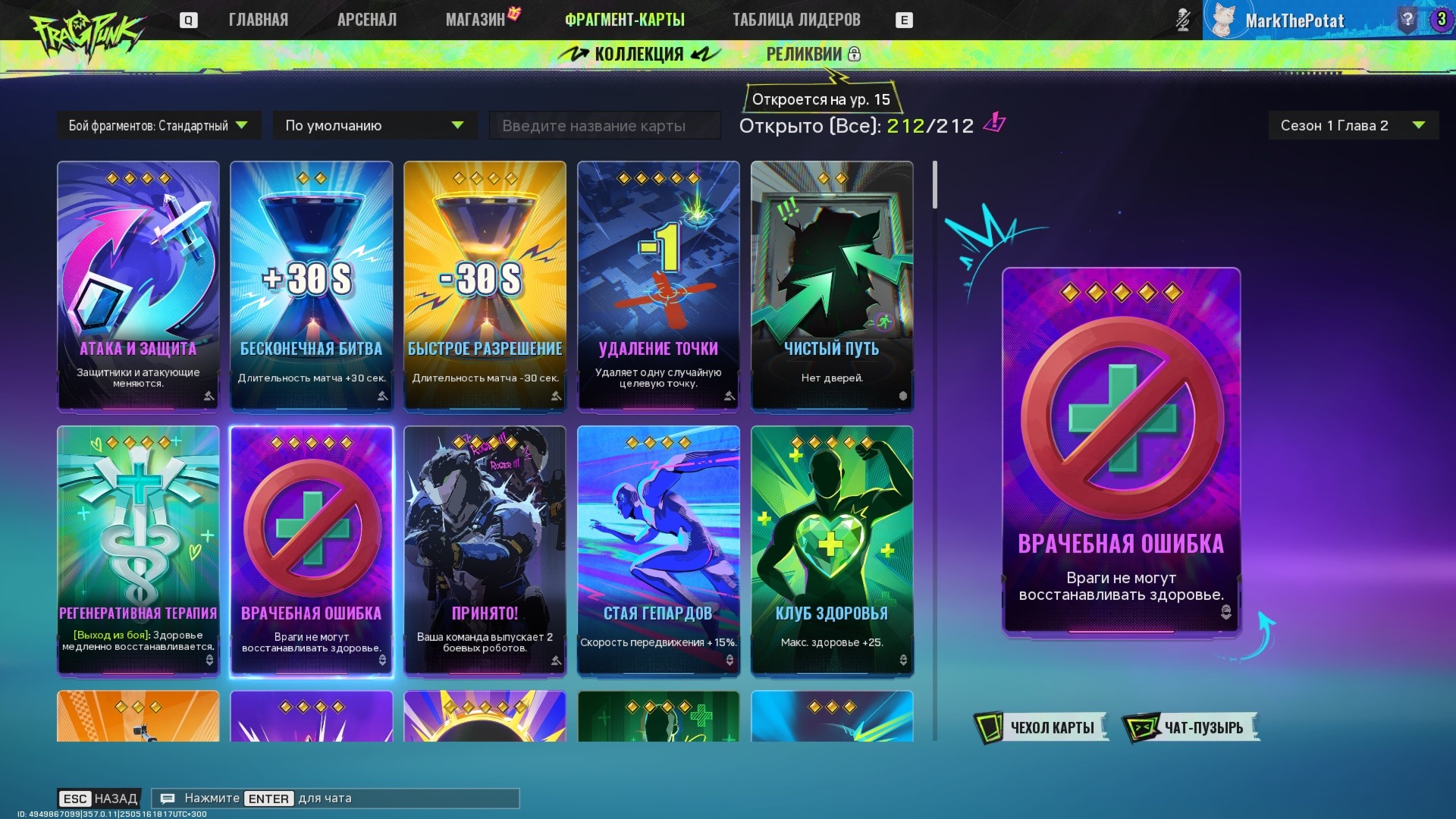
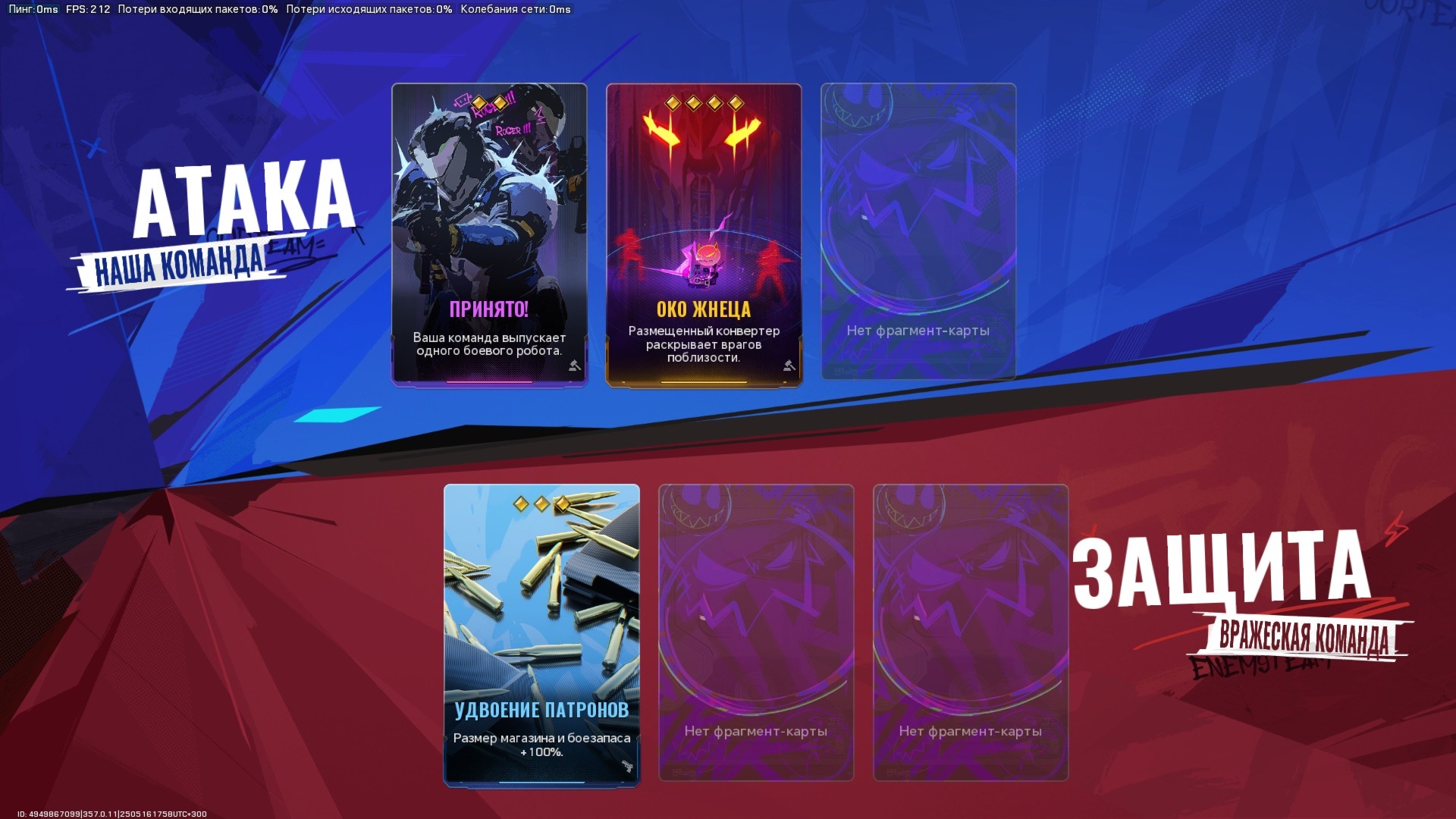
And we're not talking about the fact that the game is free, but specifically about the cards. There are 212 of them, and each one changes the battle conditions mid-match. One, for example, enlarges characters' heads to make them easier to hit; another swaps sides—defenders become attackers and vice versa. There are health boosts, speed boosts for all heroes, gravity changes, one team getting combat robots, doors disappearing from the level, slow health regeneration for all wounded players, an extra 30 seconds added to the match timer, enemy bullet slowdowns, limb armor—you name it. Even specific game mechanics can be toggled on and off instantly.
And we're not talking about the fact that the game is free, but specifically about the cards. There are 212 of them, and each one changes the battle conditions mid-match. One, for example, enlarges characters' heads to make them easier to hit; another swaps sides—defenders become attackers and vice versa. There are health boosts, speed boosts for all heroes, gravity changes, one team getting combat robots, doors disappearing from the level, slow health regeneration for all wounded players, an extra 30 seconds added to the match timer, enemy bullet slowdowns, limb armor—you name it. Even specific game mechanics can be toggled on and off instantly.
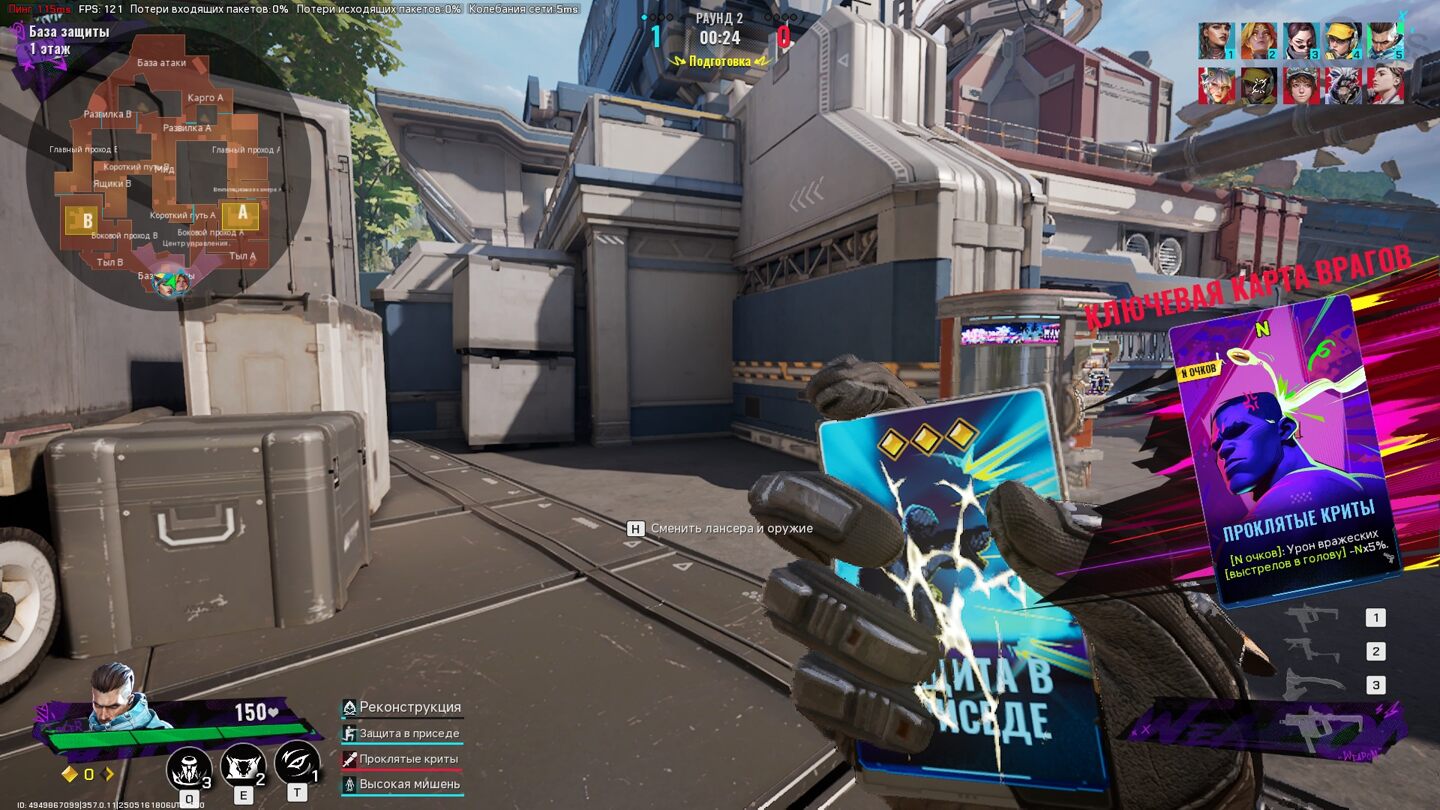
None of the heroes have the ability to see through walls, but using a special card and planting the converter will fix that—within a limited area, you'll have X-ray vision. Or take this example: by default, the game doesn't allow sliding on your backside. But use the "Slide" card, and suddenly everyone gains that ability. How about shots at allies healing them instead of dealing damage? In short, there's plenty of room for tactical surprises. But keep in mind that you only have three cards per team, and the right one is chosen collectively. The more effective a hero is, the faster they accumulate special energy—which is spent on "voting" for a particular gameplay change.
At first glance, this might seem unbalanced, but think of the advantages! Every battle becomes unique since you don't have to repeat hero choices and card activation orders verbatim. Matches have an element of surprise—you never know what will happen next, keeping you on edge. Any participant can not only help their teammates but also prank them by accumulating enough points and activating a card solo—without team input. For example, making the point where a teammate is heading with the converter simply vanish. Few online shooters offer this much fun. That said, even the core mode of FragPunk has one flaw—visual chaos.
At first glance, this might seem unbalanced, but think of the advantages! Every battle becomes unique since you don't have to repeat hero choices and card activation orders verbatim. Matches have an element of surprise—you never know what will happen next, keeping you on edge. Any participant can not only help their teammates but also prank them by accumulating enough points and activating a card solo—without team input. For example, making the point where a teammate is heading with the converter simply vanish. Few online shooters offer this much fun. That said, even the core mode of FragPunk has one flaw—visual chaos.
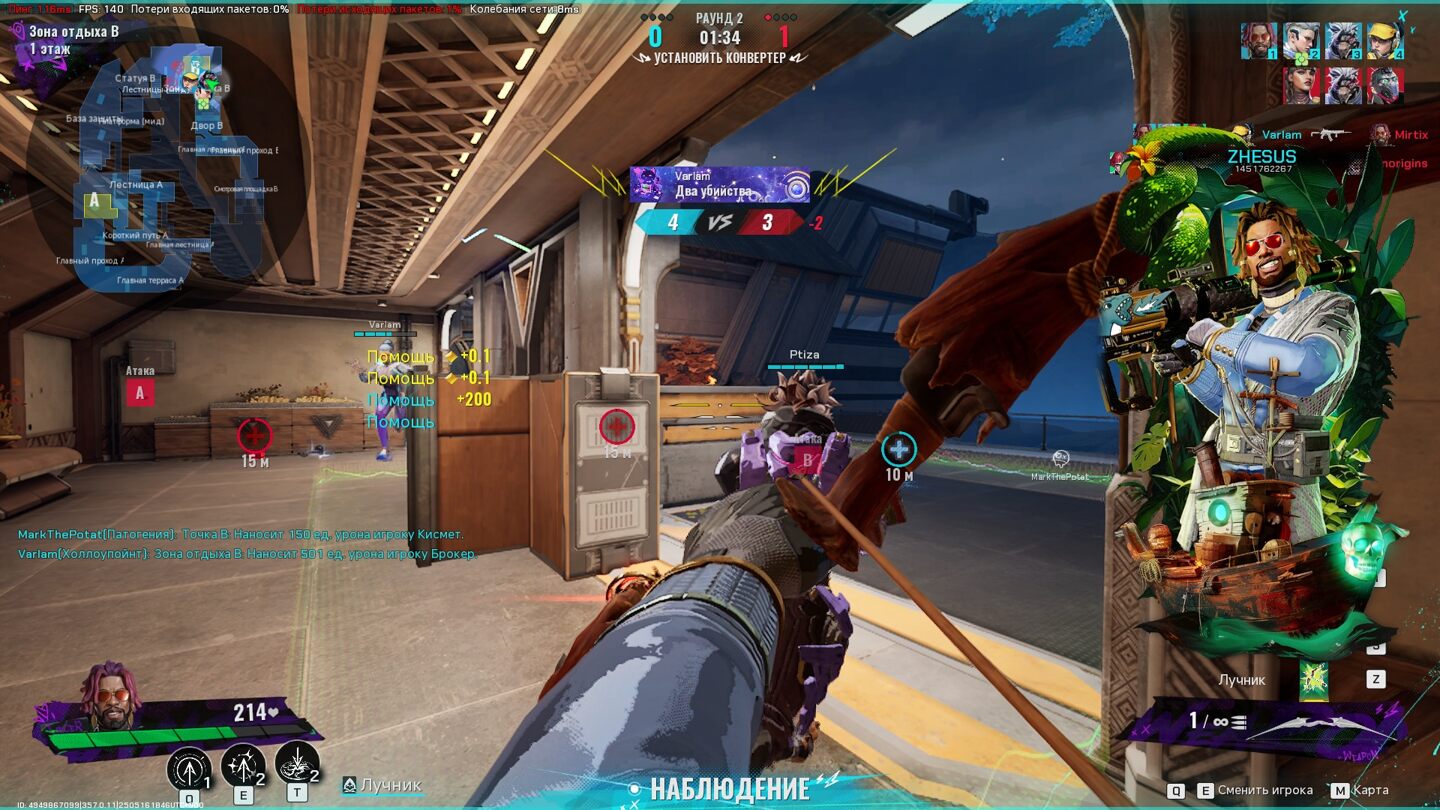
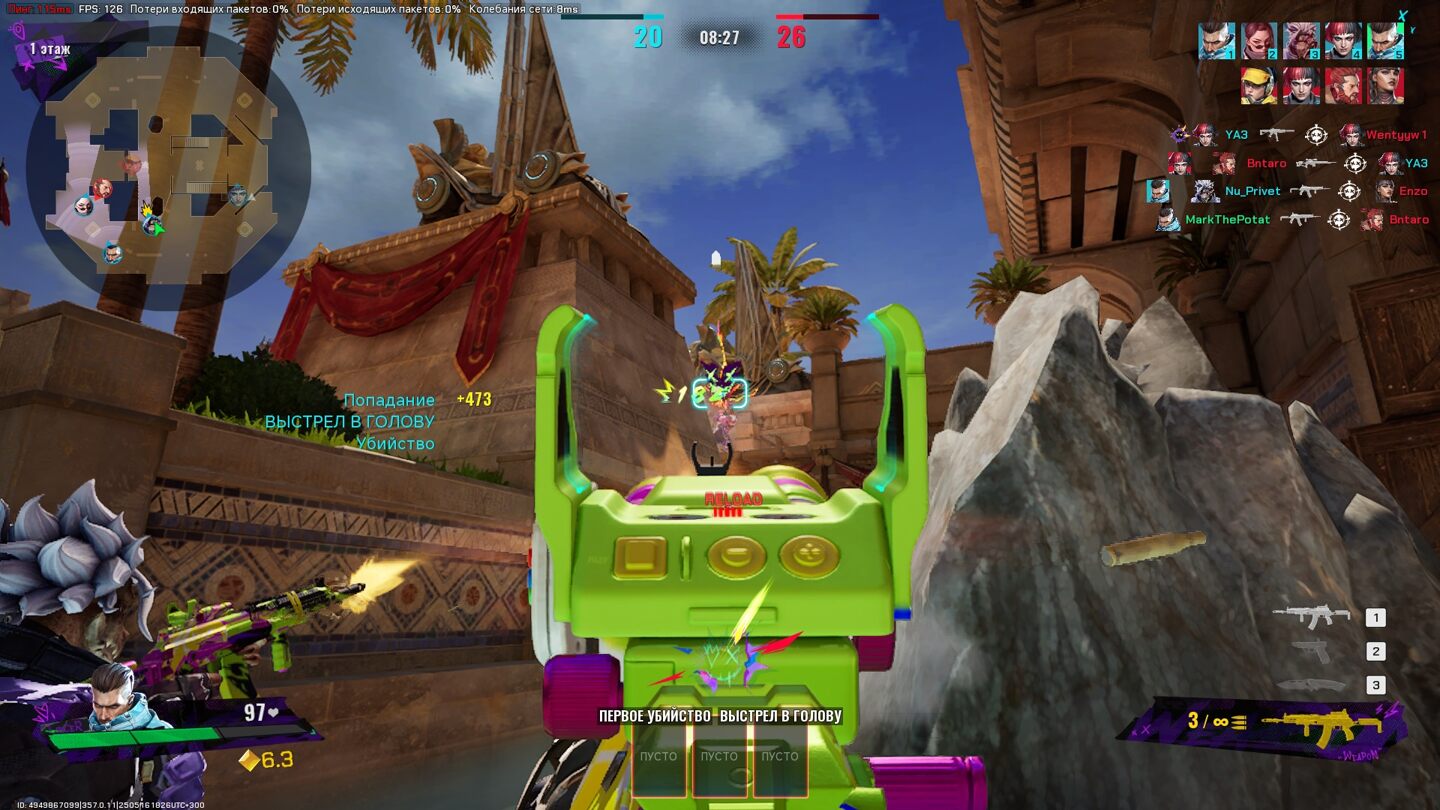
Too much is happening on-screen, especially when a hero uses their special ability. Bright flashes, explosions, and animation effects constantly obscure the most important thing—the tactical situation. Sometimes, it's hard to tell friends from foes in all this mayhem. Otherwise, the art direction is flawless—the artists seem to mimic either the style of the series "Arcane" or the works of the currently trendy Spanish animator Alberto Mielgo. The result is vibrant, dynamic, and drenched in a cyberpunk palette with neon accents. The soundtrack, blending electronic music with metallic guitar riffs, deserves special praise—it's worth downloading for standalone listening.
More About Additional Modes
The game isn't limited to just the standard Counter-Strike-style mode—it offers other formats of competition. Start with the tutorial, which not only teaches movement and shooting but also introduces the backstory. Let's be clear: don't expect a deep narrative from this online shooter. The setting is the future, portals appear out of nowhere, swallowing buildings and entire neighborhoods, and the heroes (Lancers) must enter these gates, explore the otherworldly realm, and fight everyone they find inside. That's the whole story—clearly not penned by George R.R. Martin—but if you're into such details, start with training.
There are also two team deathmatch variants—"Standard" and "Deck." In other words, one has cards enabled, the other doesn't. Here, no one plants anything at points A or B; instead, two teams of four engage in a shootout. To win, one side must rack up 100 frags—eliminate enemy squad members a hundred times. Notably, the deathmatch has a bot battle option. Say you can't find opponents or lack experience—you can set up AI-controlled enemies, though the AI in such shooters is traditionally weak.
Another feature is the constant rotation of modes and maps. Right now, for example, the random slot is deathmatch, but soon it could be duels or any other special-condition battle format. There are about a dozen of them. Even the training modes come in two flavors—one resembles a shooting range, while the other focuses on warming up with moving targets.
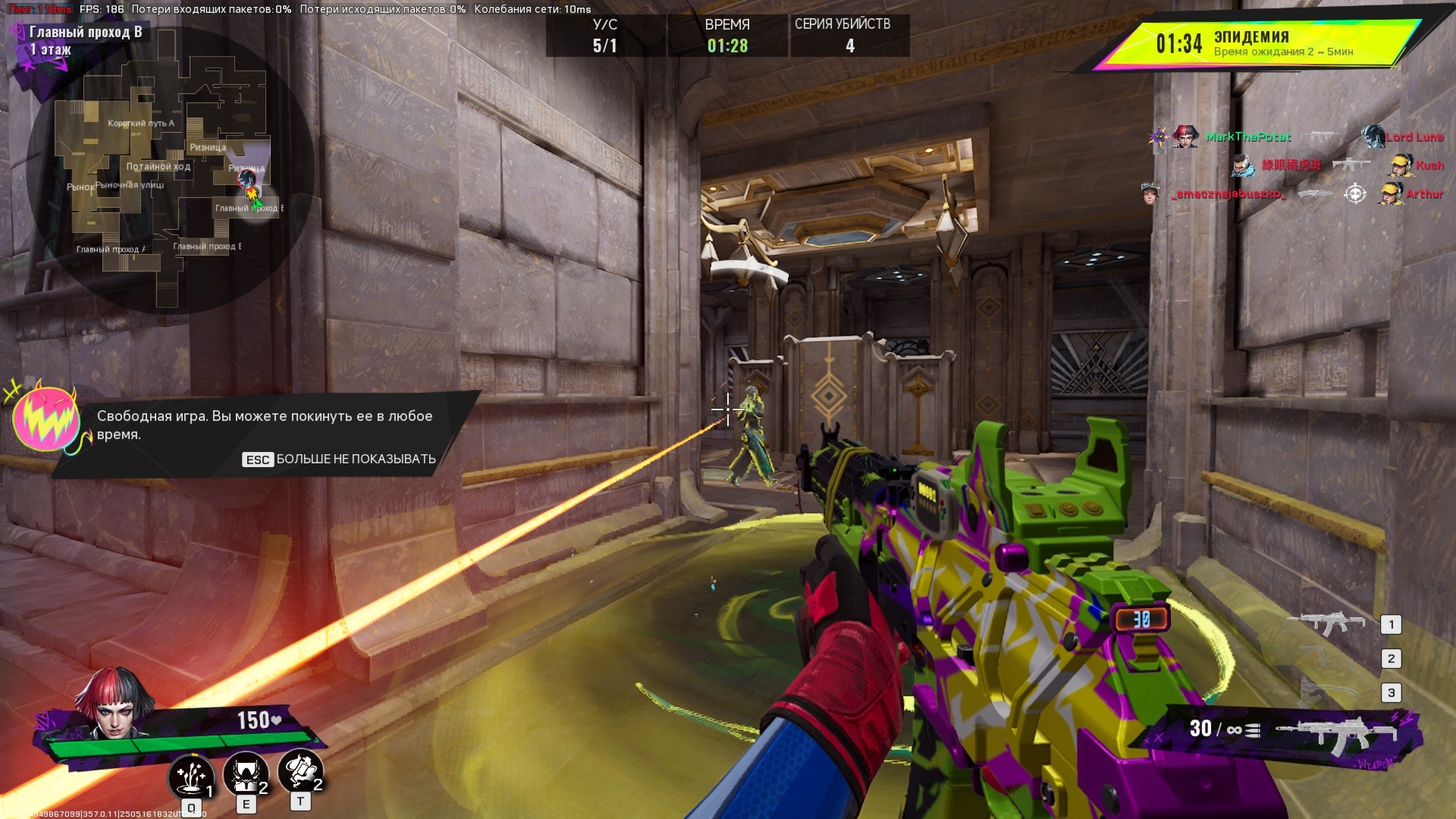
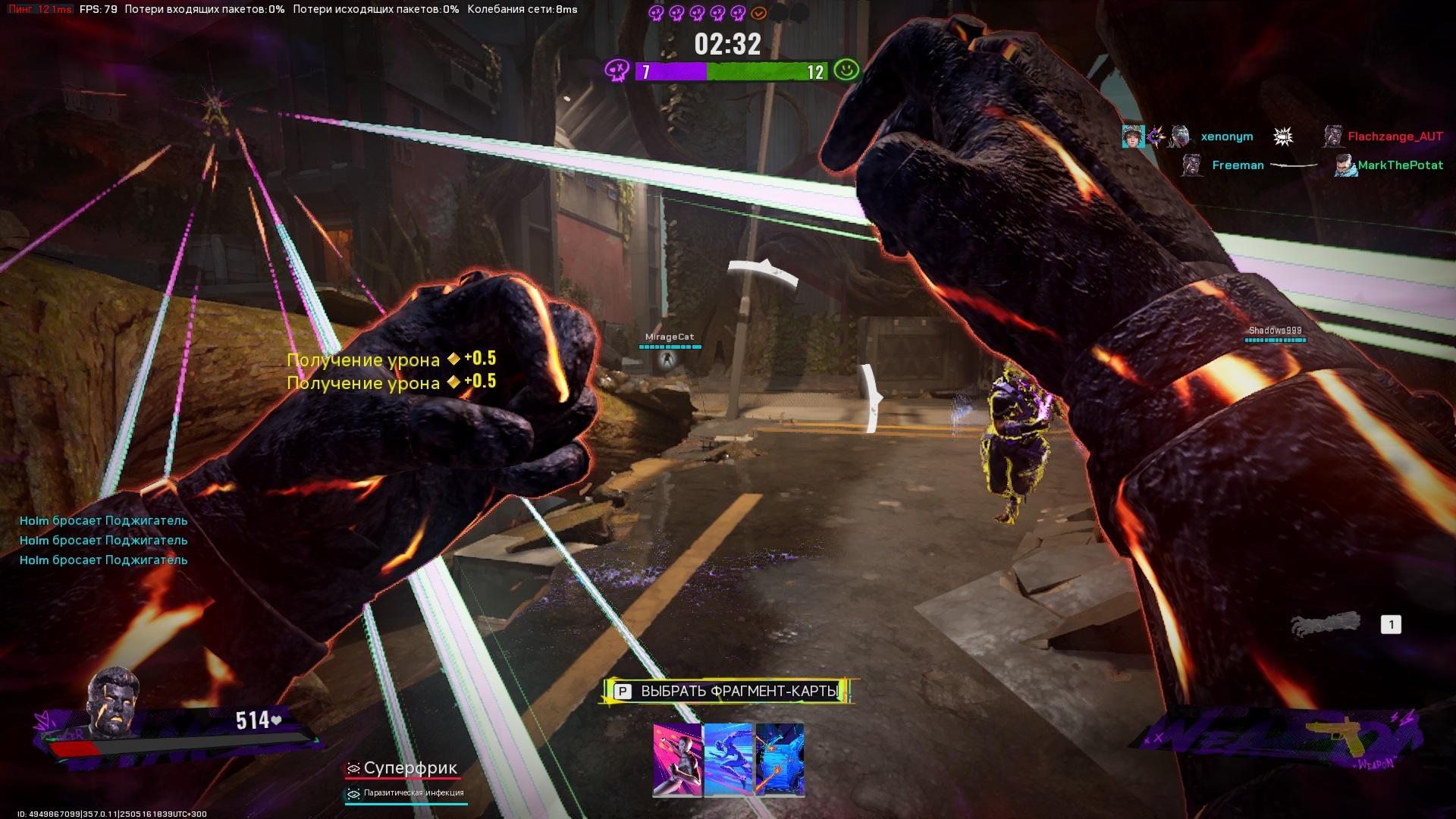
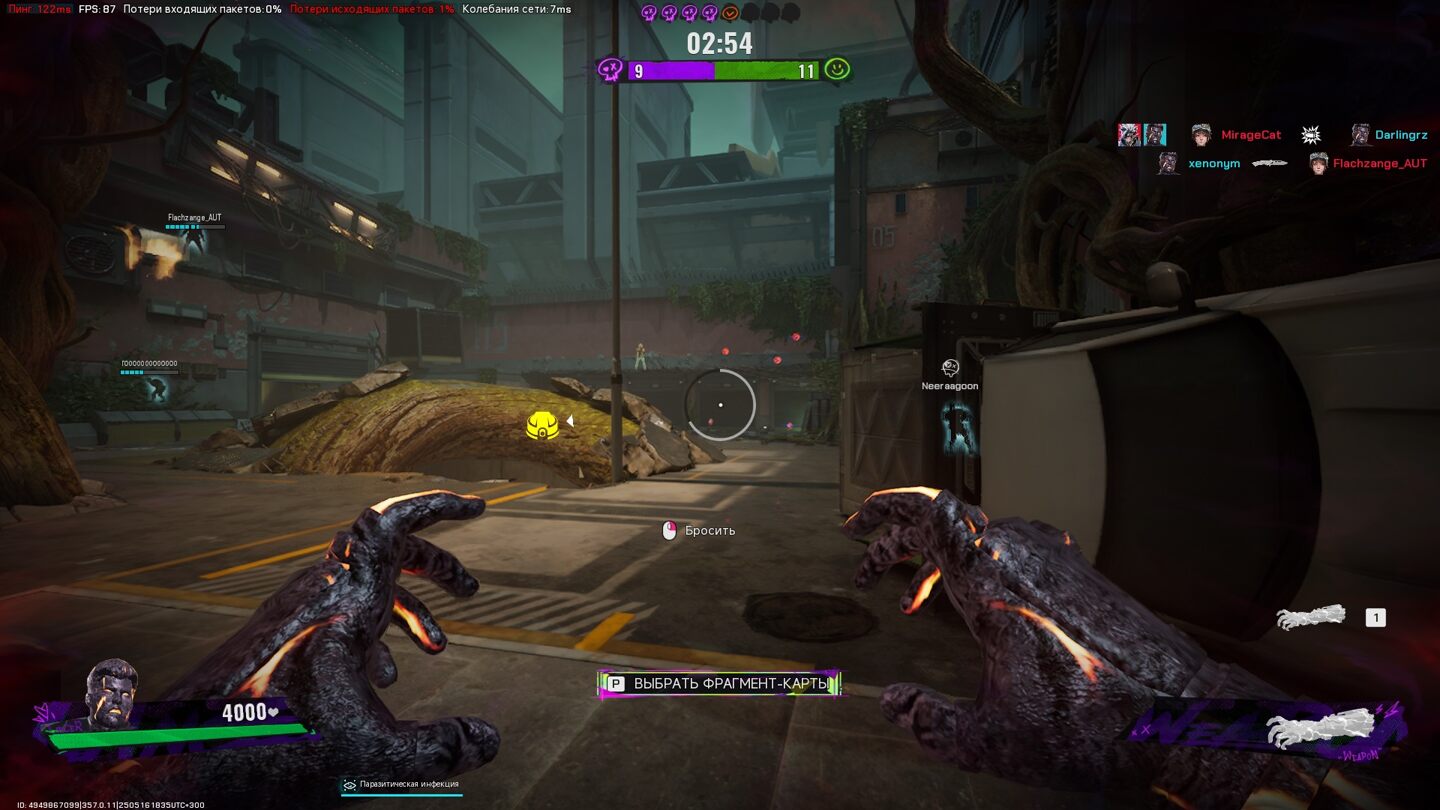
Finally, the "Epidemic" menu option stands out. This is another unique mode. Here, 20 fighters enter one location, two of whom are infected with a virus that makes them incredibly strong and fast but strips their ability to use firearms. These two zombies must chase the survivors across the map, catching and dispatching them in melee combat. Survivors, in turn, can shoot back and set ambushes, as they initially outnumber the infected. But if a zombie catches and defeats someone, the victim turns into a zombie and joins the infected side. The cards are in play here too, so either side can flip the script with a simple hand gesture.
Another feature is the constant rotation of modes and maps. Right now, for example, the random slot is deathmatch, but soon it could be duels or any other special-condition battle format. There are about a dozen of them. Even the training modes come in two flavors—one resembles a shooting range, while the other focuses on warming up with moving targets.
Finally, the "Epidemic" menu option stands out. This is another unique mode. Here, 20 fighters enter one location, two of whom are infected with a virus that makes them incredibly strong and fast but strips their ability to use firearms. These two zombies must chase the survivors across the map, catching and dispatching them in melee combat. Survivors, in turn, can shoot back and set ambushes, as they initially outnumber the infected. But if a zombie catches and defeats someone, the victim turns into a zombie and joins the infected side. The cards are in play here too, so either side can flip the script with a simple hand gesture.
Last but not least in the discussion of modes are temporary events and the battle pass. FragPunk wouldn't be a Chinese free-to-play game if it didn't shower players with a heap of quests, rewards, and all sorts of activities. There are seven battle passes alone, including a special mission chain for newcomers—rewards start from level one. The challenges aren't overly difficult—for example, win one match, deal 300 damage, or land five headshots. Anyone can handle these. Given all this, only one question remains.
Is There Pay-to-Progress in the Game?
Since the publisher is NetEase—a company many gamers know—it's immediately clear that microtransactions are present. You can spend money to buy virtual items. But do these purchases affect progression and balance? Let's break it down. First, FragPunk offers the genre-standard progression with rewards for each level: the longer you play, the more XP you earn, and the higher you climb in the overall standings. Gameplay-changing cards, by the way, also unlock gradually. And to filter players, the developers only allow ranked matches from level 30 onward.
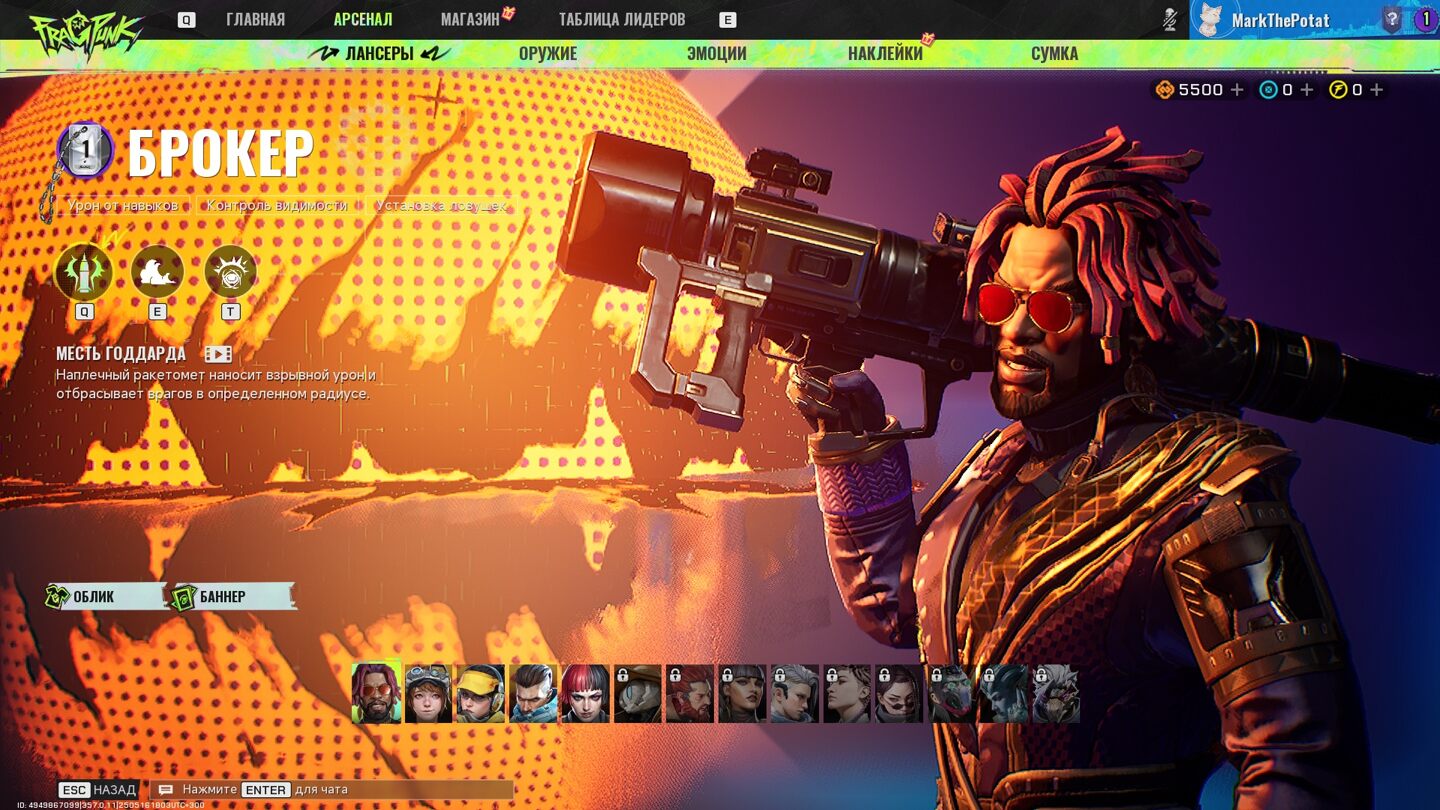
Second, heroes in the game can be unlocked with real money. Initially, only five of the fourteen are available. These include Brocker, the assault specialist with a shoulder-mounted rocket launcher; Nitro, the beauty who sets up turrets with shields; Hallowpoint, the sniper girl with a railgun; and Jaguar and Pathogenia. The first excels at chasing enemies and setting electric traps, while the latter can heal allies and harm foes with various poisons—creating healing fields and toxic barriers. That's the starter roster—the other Lancers must be unlocked through progression.
If you prefer tactical tricks, you'll like Zephyr, who can turn invisible temporarily, cloak parts of the map, and teleport to safety. On the other hand, the hero Sonar stands out for placing an echolocator on the map, highlighting all enemies without activating any abilities—making her the best scout in the game. Spider surpasses Jaguar in trap efficiency and mischief like slowing enemies. Exon suits aggressive players, while the robot Cham confuses opponents with a helper bot. In short, the best heroes are the bonus ones, not the starters.
If you prefer tactical tricks, you'll like Zephyr, who can turn invisible temporarily, cloak parts of the map, and teleport to safety. On the other hand, the hero Sonar stands out for placing an echolocator on the map, highlighting all enemies without activating any abilities—making her the best scout in the game. Spider surpasses Jaguar in trap efficiency and mischief like slowing enemies. Exon suits aggressive players, while the robot Cham confuses opponents with a helper bot. In short, the best heroes are the bonus ones, not the starters.
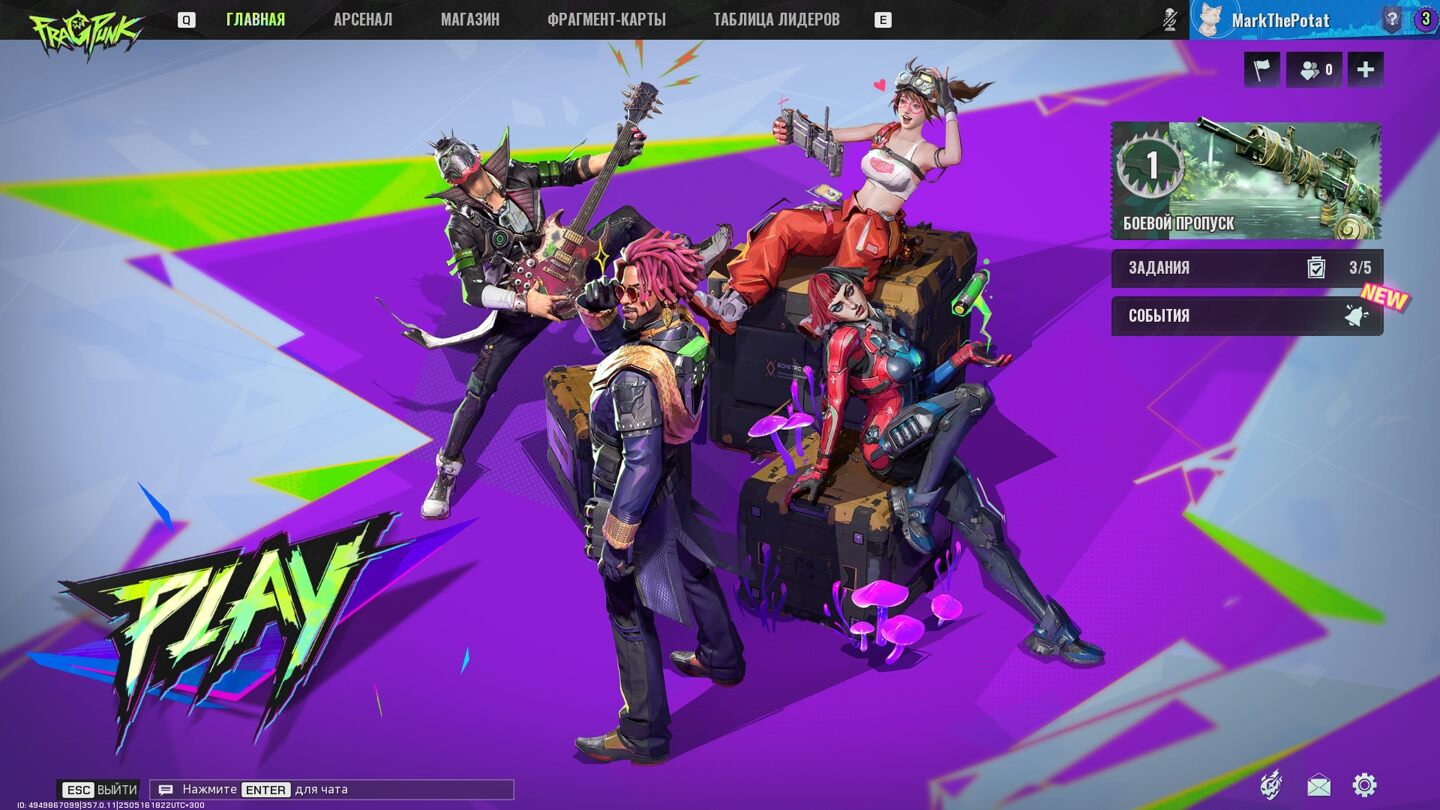
Impatient players can buy them outright. But a more patient gamer can unlock all characters for free, as each Lancer has two prices—one in real-money currency, the other in gold earned in battles. In other words, first, decide which paid hero suits your playstyle, then be patient and save up specifically for your chosen fighter. Another way to get any character is through a figurine gifted just for logging in.
Answering the main question—yes, pay-to-progress exists here, allowing you to unlock heroes that provide a serious advantage in matches. That said, FragPunk offers other ways to strengthen your position on the battlefield. So it's wiser to save your cash for cosmetic sets, unique banners, and character skins. If anything, investing in a paid battle pass is smarter—it pays off in in-game currency and lets you unlock the next one without extra costs.
Answering the main question—yes, pay-to-progress exists here, allowing you to unlock heroes that provide a serious advantage in matches. That said, FragPunk offers other ways to strengthen your position on the battlefield. So it's wiser to save your cash for cosmetic sets, unique banners, and character skins. If anything, investing in a paid battle pass is smarter—it pays off in in-game currency and lets you unlock the next one without extra costs.
Conclusion
FragPunk is a vibrant online shooter in the style of Valorant and Counter-Strike 2, with hero selection and a unique card mechanic that alters gameplay mid-match. Its strengths include simple controls, dynamic battles, a stellar soundtrack, and the fact that it's free. Despite the option to buy powerful fighters with real money and occasional visual clutter, this is a deserved, not accidental, hit on Steam. We recommend all genre fans check out this unusual and colorful project.
Zarium. June 2025
Zarium. June 2025