


Best online survival games

Anyone who has read Daniel Defoe’s famous novel has at some point imagined themselves in the role of Robinson Crusoe. They’ve asked: «What would I do in the hero’s place? Would I first worry about a roof over my head, food, searching for other people?». Today, survival games let you find the answer, forcing you to fight enemies while also gathering resources, building and crafting, keeping track of food supplies and consumables. And since even Robinson Crusoe knew it’s better to survive with company, let’s recall the best multiplayer projects—both competitive and cooperative.
Ark: Survival Evolved
Among multiplayer survival sims, Wildcard’s project holds a special place. Ark: Survival Evolved is a serious, large-scale game, and therefore paid. In return, every user gets full-featured survival. Waking up on the shore of a mysterious island, heroes must immediately gather food and other supplies, build shelter, and if possible figure out how they ended up on the same scrap of land with extinct dinosaurs of various species. A character’s well-being is paramount: you must keep your survivor fed, hydrated, and healthy—here you can easily catch a fever, overheat, or freeze.
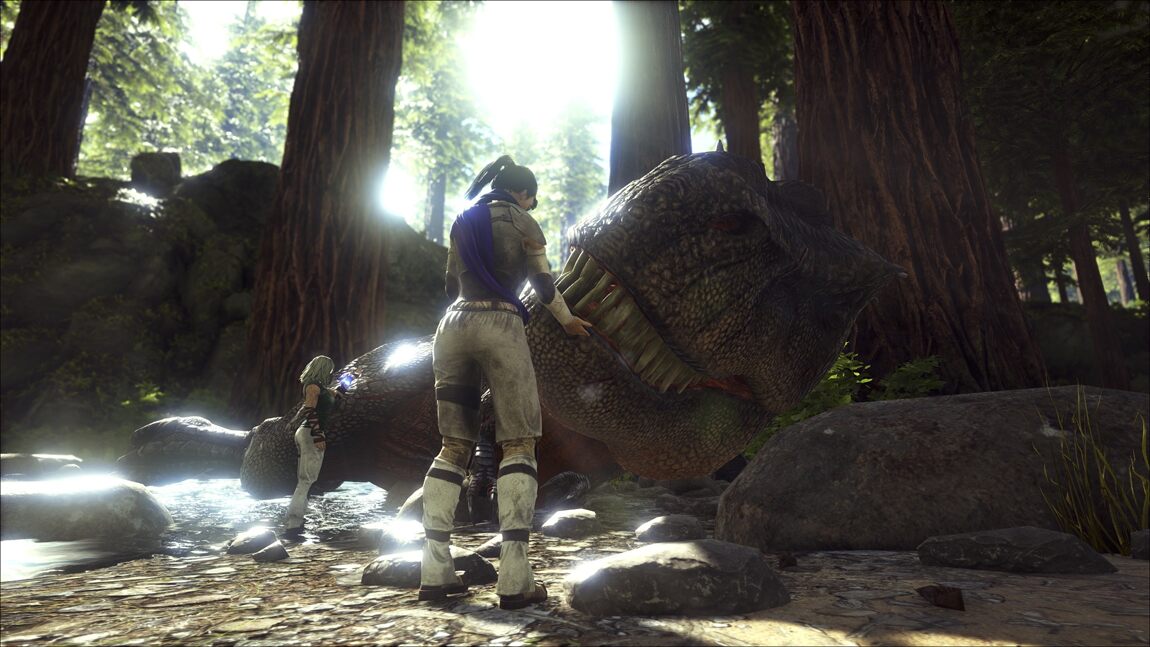
But Survival Evolved’s main draw is interaction with living fossils, both reptiles and mammals. Saber-toothed tigers and mammoths roam the land, along with fantasy beasts like golems and wyverns. Taming this fauna is the key to thriving. Imagine pterosaurs guarding your base while you ride a triceratops to attack an enemy camp. The more creatures under your control, the larger the tribe you can rally. Despite its decade-long age, the game still boasts decent graphics and quality music—British composer Gareth Coker, who scored Dota 2, Ori and the Blind Forest, and Halo Infinite, worked on the soundtrack.
Rust
Facepunch’s team also tackled their creative task on a grand scale. In Rust you’ll find modern graphics and every survival mechanic imaginable, only set in a post-apocalyptic atmosphere. The hero starts literally as a newborn—no resources, no clothes. Your only tools are rocks and sticks. With patience you’ll learn how to set up a base, craft firearms, build helicopters, and even lay rail for cargo trains between map locations. Meeting friends and foes, gamers form clans, raid each other, and wage full-scale fortress wars.
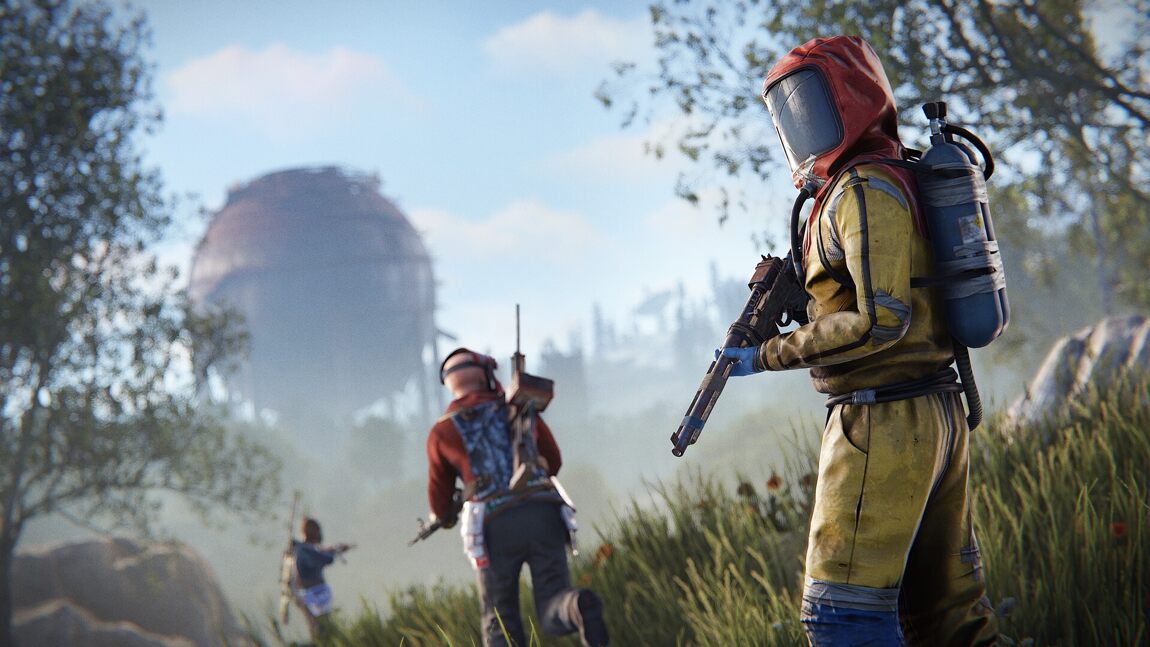
The project’s versatility stands out. Some survivors behave like cavemen hunting with spears and bows, while others build a new civilization atop the ruins of the old. Some ride horses or run on foot; others lay railways above and below ground, mass-produce machine-gun rounds, and weld armor from rusty sheet metal. Few modern survival titles offer such variety—shelters wired with electricity, fishing, seabed treasure hunts, PvE zones styled like extraction shooters—it’s all here. The deeper you want to progress, the more persistence you’ll need.
Don't Starve Together
A fine example of how developers achieve huge impact with modest means. The original Don’t Starve was single-player. When it launched in 2013 it was often cited as a successful indie title. Klei Entertainment built their project on random map and object generation, hand-drawn graphics (partly reminiscent of Tim Burton’s animation), and unpredictability. The player sees only a small area around the hero, who must gather resources, light fires in the dark, fend off or avoid creatures, and scour the land for supplies. No hand-holding: everyone must study the world and find their own way to stay alive.
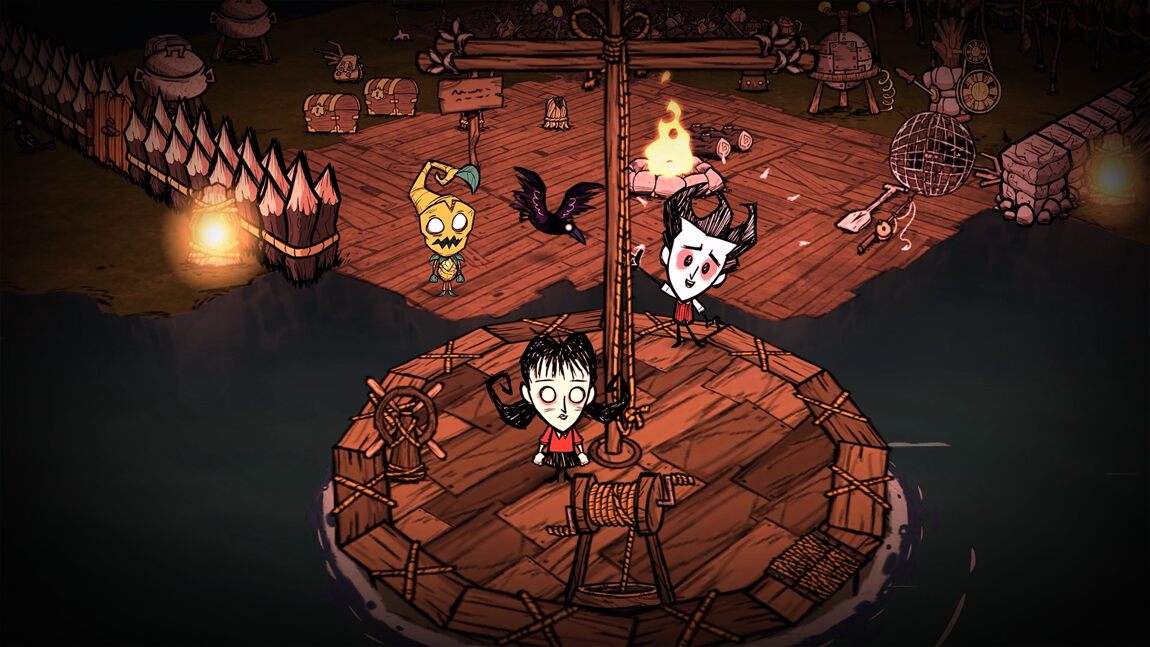
The Together version offers the same experience, only with multiplayer and the Reign Of Giants DLC pre-installed, adding bosses and other monsters. You can roam the map with friends, and if a companion dies they don’t vanish forever as in single-player—they become a ghost able to influence certain items and creatures. Another fun cooperative activity is jointly tending a vegetable garden. It may not be life-threatening like gathering firewood, but even farming is full of unexpected twists. As the developers themselves say, do whatever it takes to survive—just don’t starve.
Palworld
Imagine open-world survival blended with «Pokémon». In Palworld the «pocket monsters» are called Pals, and they’re useful in literally every aspect—building structures, harvesting crops, combat, or simply getting around. You can even breed Pals, cross-breeding them for offspring with the traits you need most. And if resources run desperately low, your tamed creatures can become food. Naturally, Pals range from common to rare; poachers hunt the latter, and you’ll have to fight them to expand your «menagerie». In short, you won’t get far without these fantasy beasts.
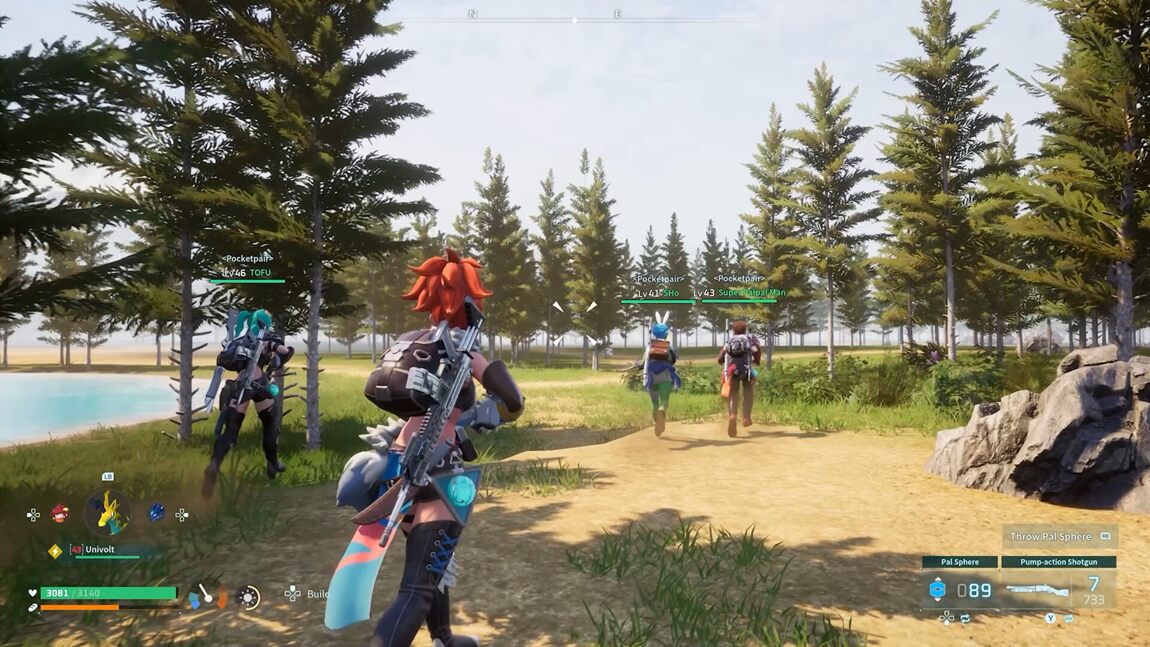
You can survive with friends too. The gameplay lets you run a farm together in multiplayer, explore the wilds, join battles, and even duel in a special mode. It strongly resembles Pokémon games—each player releases their combat creatures onto an arena, and they fight it out. Victory goes to whoever trained their Pals most seriously. Although Palworld is still in early access (no full release yet), it has suddenly become hugely popular. Fans consistently praise its style, humor, and interesting mechanics. Things went so far that Nintendo, rights-holder to Pokémon, called for a boycott of Pocketpair’s project. Yet the cart is still there, and the number of fans of this unusual survival game keeps growing.
Valheim
Another surprise hit from indie developers. When Valheim was made, Swedish studio Iron Gate consisted of only five people, yet they accomplished something incredible. The virtual world demands more than mere survival—it’s built on the interaction of different forces and elements with characters and with each other. A freshly felled tree can crush you; a poorly built campfire can set your wooden shack ablaze. On the other hand, a downpour will stop a fire from spreading. All this creates situations where you must think about things unnoticed in other survival titles—yet starvation itself won’t kill; food simply grants strength.
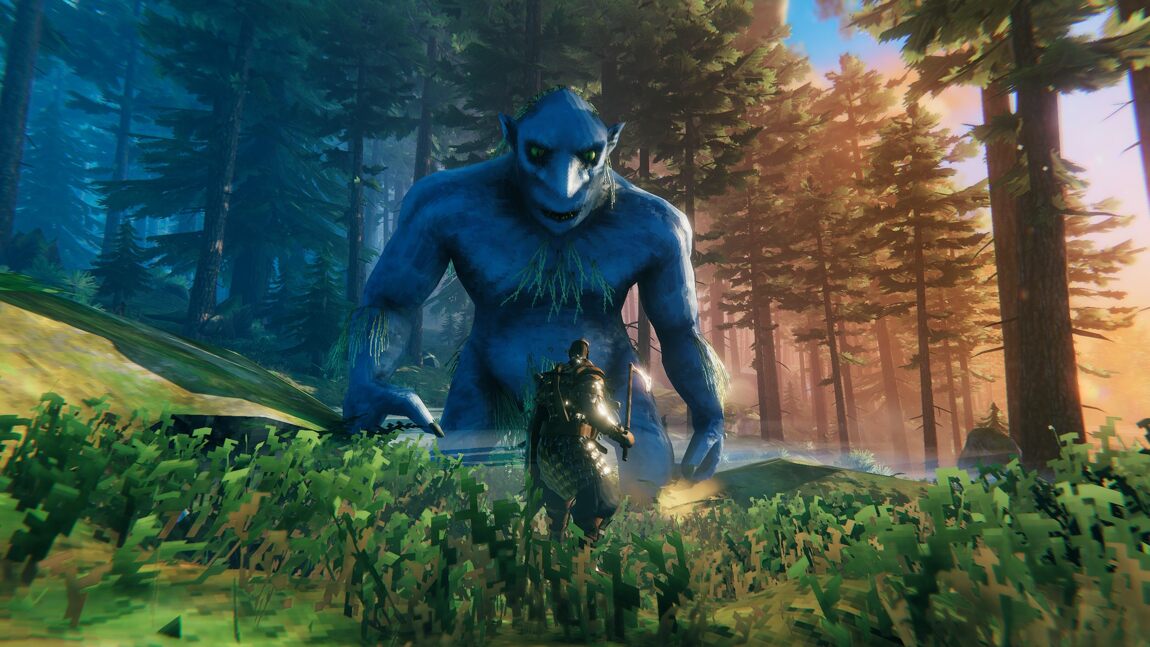
The game is set in the Tenth World of Norse myth. Valkyries bring a fallen Viking under your control, and from then on it’s up to you whether the warrior fades into oblivion or keeps performing feats—fighting trolls and giants, tilling soil, and lighting a hearth beneath a homemade roof. No one forces you to do it alone—Valheim becomes far more interesting with multiplayer enabled. With friends you can build an entire village, sail frigid seas, and clear forests of monsters. Multiplayer adventures are helped by the ability to launch your own server and invite Steam friends.
Raft
Continuing our look at interesting survival games, we can’t skip Redbeet Interactive’s title. In Raft the action unfolds after the apocalypse on the waves of a global ocean that has swallowed all traces of civilization; only occasional skyscrapers protrude above the water. Heroes begin their journey on a tiny raft—drift wherever the current takes you and scoop up anything that floats by. Any trash can serve as building material or crafting ingredients. You must obtain fresh water and food, fend off storms and sharks ready to devour people along with their flimsy vessel. In time, the raft becomes a ship unafraid of nine-story waves or toothy predators.
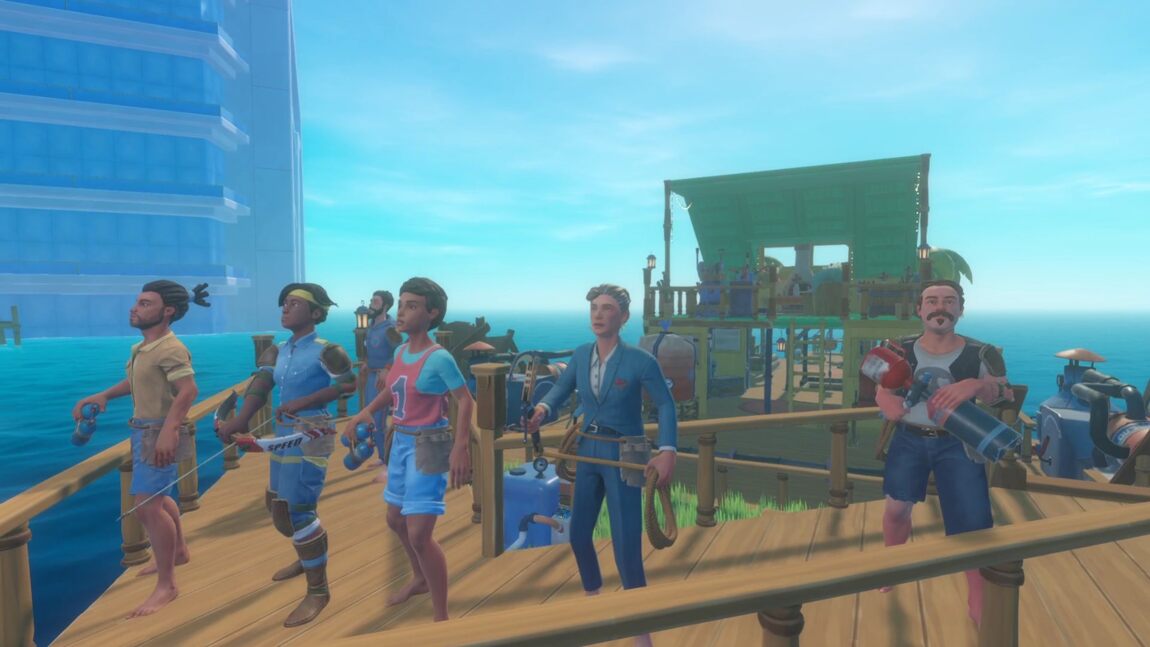
Travelers sometimes spot reefs and small islands ahead, ripe for exploration. Cooperative mode lets you invite friends aboard—the larger the crew, the more dangerous the places you can visit. Plus, you can assign roles: one gathers resources, another waters the garden, a third steers, a fourth cooks, and so on. Overall, Raft offers meditative gameplay—action only greets newcomers; later it appears only when you wish. Not enough happening on the surface? Drop anchor and dive—resources and enemies await below.
Grounded
Remember the movie «Honey, I Shrunk the Kids» starring Rick Moranis? Obsidian Entertainment, known for Fallout: New Vegas and Pillars of Eternity, offers its own take on the familiar plot. In Grounded there’s a scientist conducting dangerous experiments, a group of kids shrunk to ant size, and, of course, ants themselves—plus spiders, mantises, assorted bugs, and a malicious carp lurking in the water. What seems trivial to a normal-sized human (unless you suffer from arachnophobia) becomes a life-or-death issue for microscopic children. To survive they must find out how they got into this mess and get from the backyard back to their rooms.
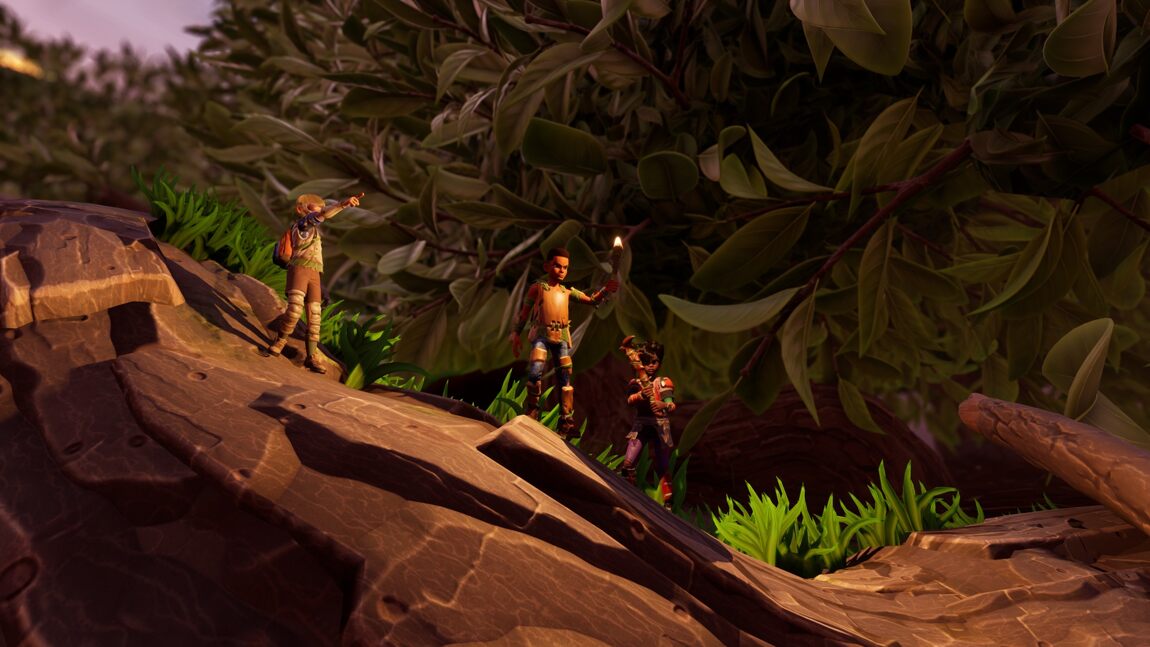
The kids have everything they need to reach their goal. Playing four-player co-op, gamers gather resources, set up a base, and craft devices to help in a pinch. Trouble arises constantly, since insects can roam anywhere, including your shared shelter. Ingenuity is required—where you can’t walk, build a zipline and ride it. On the other hand, characters can be upgraded through mutations. The game is story-driven: it has a beginning and an ending. And if one of your friends, even the host, hasn’t logged in, you can still continue the adventure in your shared world.
Project Winter
Despite the genre’s established canons, survival games keep inventing something new. Case in point: Project Winter, which blends traits of Among Us and The Long Dark. The multiplayer session hosts eight gamers stranded in a snowy locale who must cooperate to keep the whole group alive. Some scavenge resources, others repair buildings, and some stand ready to defend against wild beasts like bears. The main goal is to await rescue without losing anyone—but that’s hard in bitter cold, especially since one or more of the company are traitors.
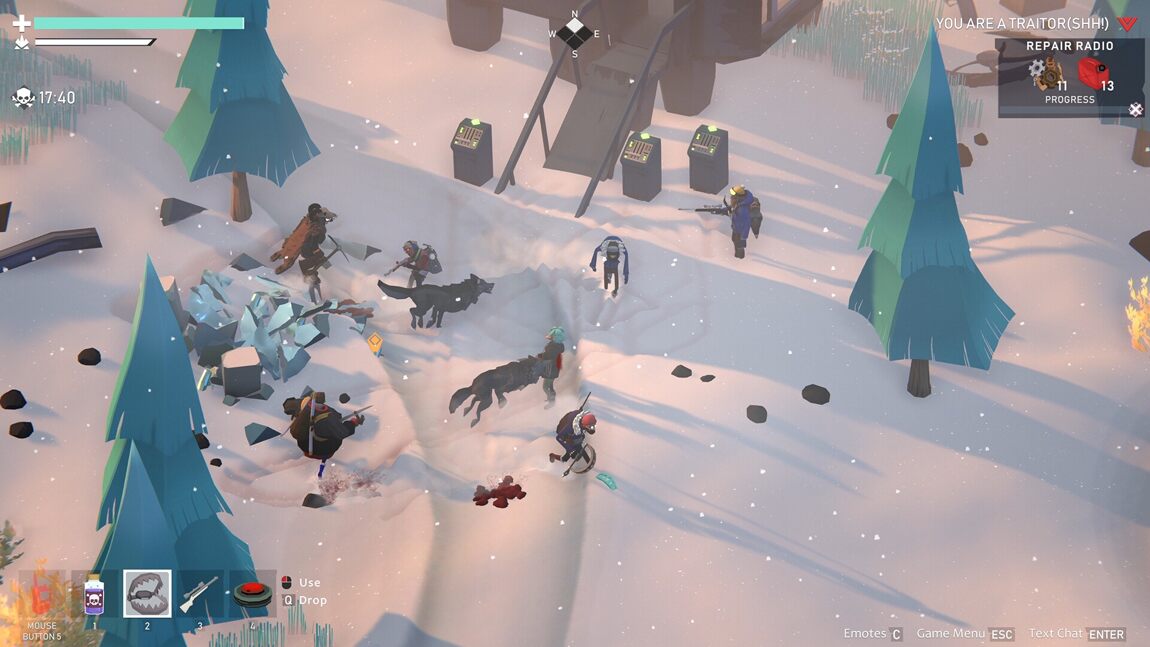
The traitor role is assigned at random. After drawing the «black mark», you must secretly scheme so no one sees rescue. As events unfold, the villains grow stronger while life gets harder for the good guys. Yet the moment a traitor slips up, the rest can eliminate them on the spot. As in Among Us or «Mafia», much depends on player communication—sometimes you can expose an impostor with just a couple of questions. Let things slide and the enemy will stockpile evil points and assemble a device (say, a disintegrator) that will be very hard to beat.
Unturned
The game looks, frankly, unimpressive. Yet it’s free, made by a single person, and now boasts an army of fans—Steam positive reviews have topped one hundred thousand. The action takes place in an open world where you scavenge, hunt, fish, grow vegetables, upgrade weapons, and build shelters to hide from zombies. Every survivor is player-controlled, while the infected are handled by AI. Even if you avoid enemies, a blizzard might finish you off, so a sturdy base is as valuable as a machine gun, and surviving is easier with friends than alone.
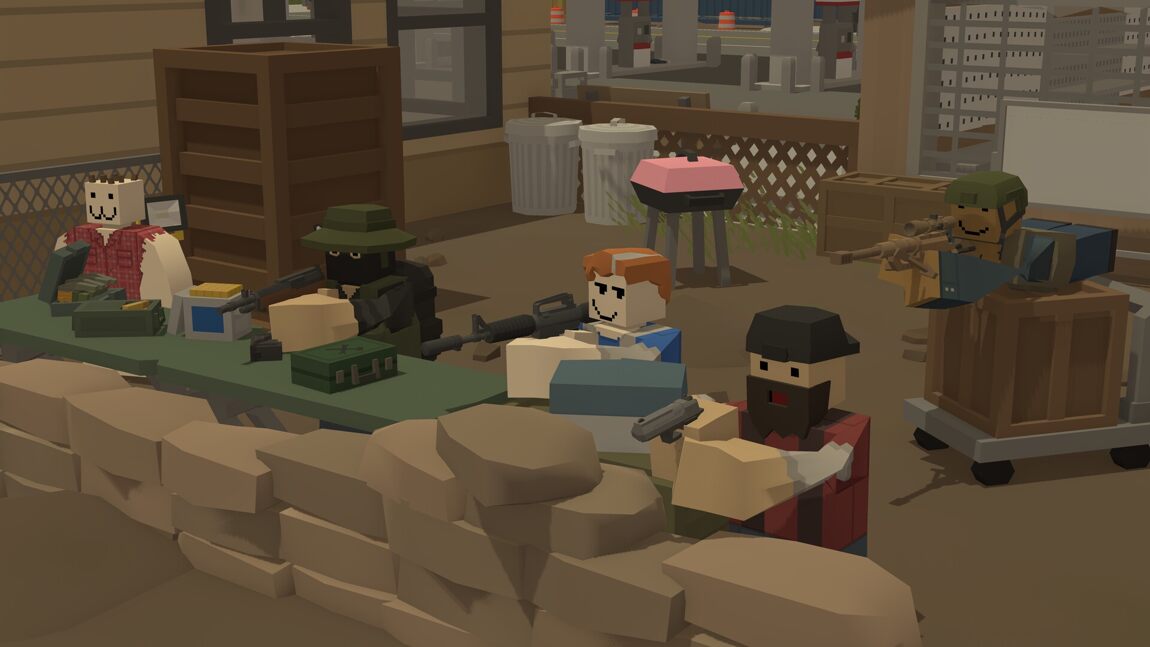
Despite its apparent simplicity, the social multiplayer is arranged very cleverly. Every gamer is free to attack others or befriend them. Less-than-friendly users can form gangs to raid peaceful settlements; if caught, there are two outcomes—death or arrest. That’s right, you don’t have to kill villains—just slap handcuffs on them. For those who only want shootouts there’s an arena mode. Quests with rewards are available from NPCs. Transport and biomes are varied: Yukon, Hawaii, Germany, and Russia.
Dune: Awakening
Funcom’s developers are no strangers to survival games—remember Conan Exiles. Perhaps that’s why they’ve produced one of the genre’s most significant works. Even in Frank Herbert’s novel that inspired Dune: Awakening, the author makes it clear that the planet Arrakis is a harsh place, and surviving there without special skills is impossible. That’s why the desert world’s inhabitants, the Fremen, become superb warriors. In interactive «Dune» players can discover for themselves why the Fremen earned that reputation. Every hero begins as an agent of the Bene Gesserit. You must escape custody and set off to find the people of the sand, after which survival begins.
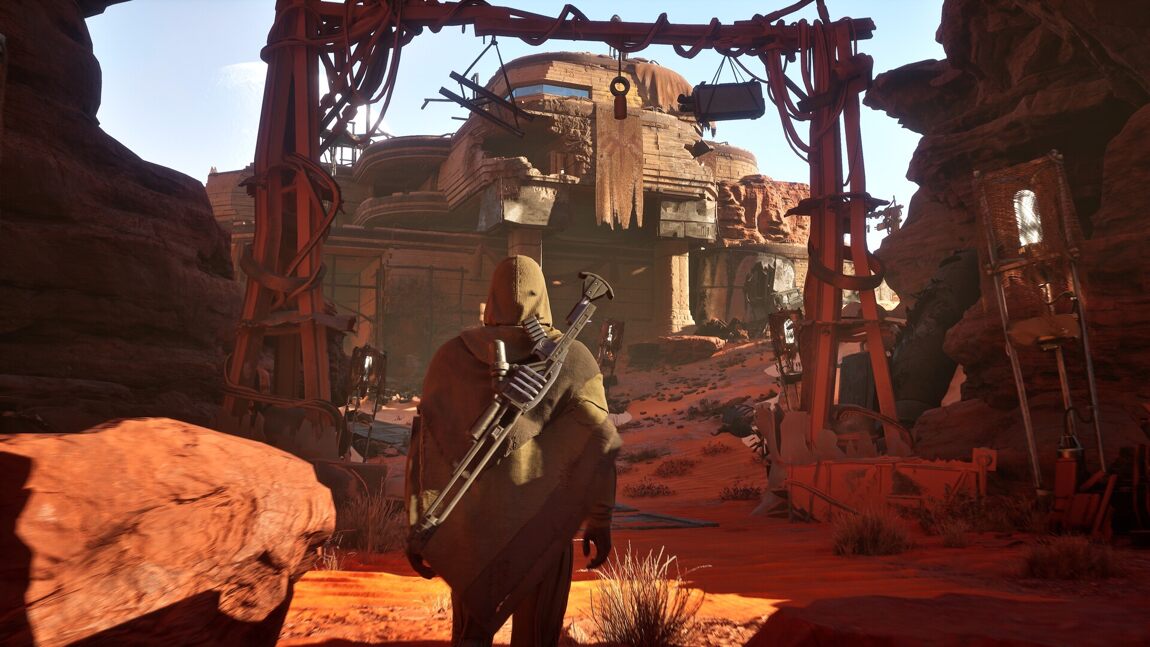
Characters must seek water, take shelter from scorching heat, avoid sand-worms and soldiers of warring factions—Imperium, Harkonnen, and Atreides. Along the way you build shelter and vehicles, and develop combat skills so you don’t face-plant into the sand during a random skirmish. While raiding lifeless lands, desert dwellers may stumble upon Imperial stations where planetary greening work once took place before the facilities were abandoned—yet plenty of supplies remain inside. In short, the game offers every survival element you could still be missing, plus a story campaign split into seasons and quests from various factions.
31 October 2025